
FDA says false positive does not alter lettuce outbreak finding
The agency still links a multistate cyclosporiasis outbreak to shredded iceberg lettuce from Taylor Farms sites in central Mexico.
By Sofia Marchetti · World Affairs Correspondent
3 min read
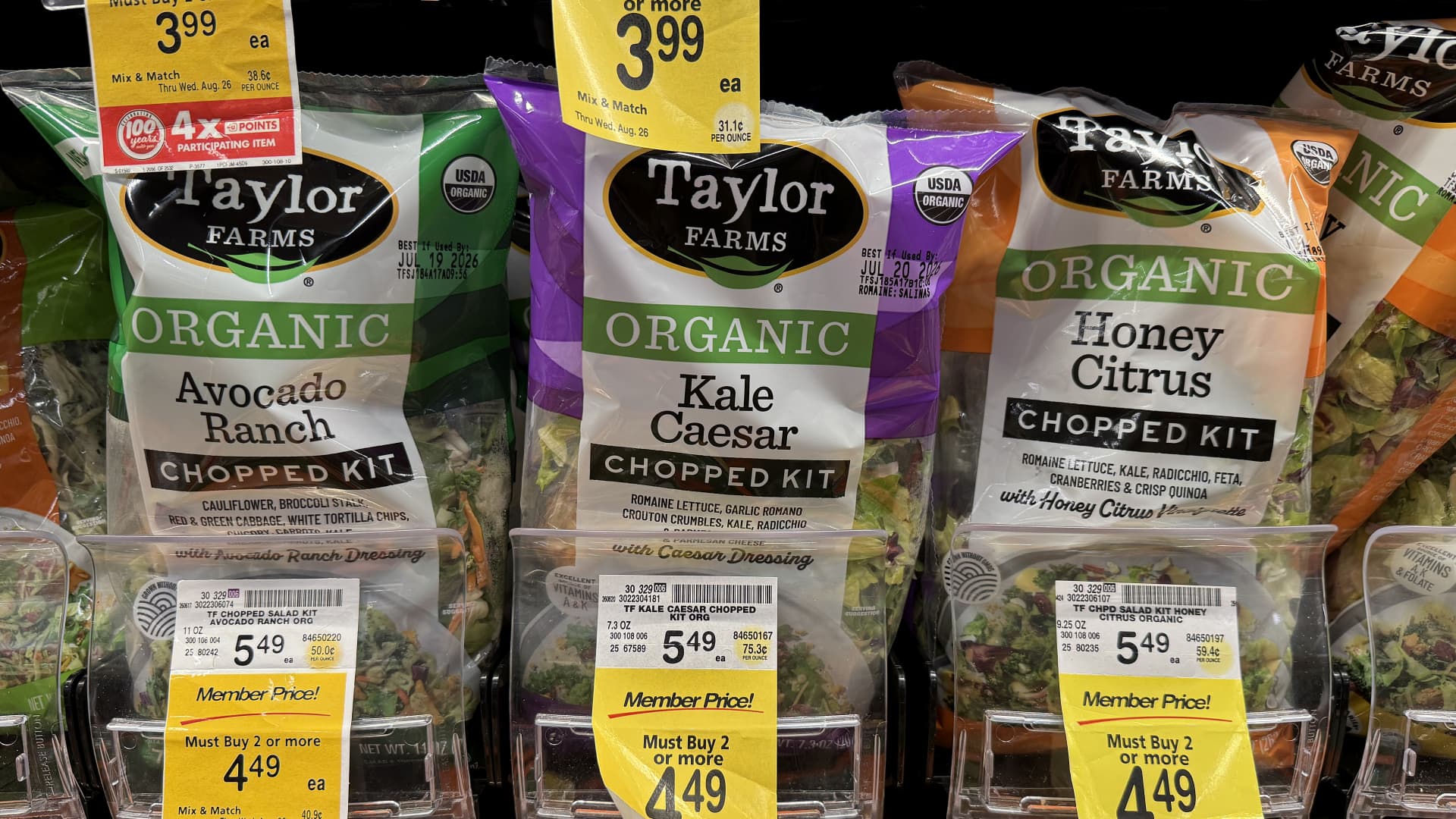
The Food and Drug Administration said a false positive test in its cyclosporiasis inquiry does not change its view that shredded iceberg lettuce remains the likely vehicle in a multistate outbreak. The clarification matters for consumers and restaurants because recalled lettuce remains under warning even after the agency reversed one lab result.
The FDA said Sunday that a sample of iceberg lettuce supplied by Taylor Farms de Mexico did not contain the cyclospora parasite after confirmation testing, CNBC reported. On Monday, the agency said that result applied to one shipment and did not undo its broader traceback findings.
According to the FDA, outbreak data and supply-chain records still point to shredded iceberg lettuce from Taylor Farms locations in central Mexico. The agency has advised consumers not to eat recalled iceberg lettuce while federal and state officials continue their investigation.
The outbreak has sickened more than 1,600 people, according to CNBC, and federal health officials have been examining lettuce served at some Taco Bell restaurants. Cyclospora infection can cause gastrointestinal symptoms that last days or weeks, according to the report.
Why the test reversal did not end the inquiry
Former FDA Commissioner Dr. Scott Gottlieb told CNBC that the false positive did not clear Taylor Farms of a connection to the outbreak. He said the recall involved product imported weeks earlier and was separate from the lettuce sample that first tested positive.
Gottlieb also told CNBC that investigators may need to test more than one shipment because cyclospora can take up to two weeks to cause illness and lettuce has a short shelf life. That timing can make it harder to match a patient’s illness to the precise product that carried the parasite.
Dr. Norman Beatty, an associate professor of medicine at the University of Florida College of Medicine, told CNBC that investigators may still find the outbreak began with one vendor. He also said the parasite’s spread across more than 30 states could mean smaller related outbreaks are developing in some areas.
Michigan’s Department of Health and Human Services said it still recommends buying whole heads of lettuce rather than pre-washed, bagged or mixed salad kits. The department said interviews with more than 2,000 patients found many did not report eating lettuce at restaurants, though many did report eating lettuce somewhere.
Companies pull products as cases rise
Taylor Farms said Monday it would continue a voluntary recall of implicated iceberg lettuce from central Mexico. Taco Bell said it had already begun removing suspected lettuce from restaurants in affected states, according to CNBC.
Walmart said Monday that it pulled four Marketside bagged salad kits supplied by Taylor Farms from stores in 27 states as a precaution. The retailer said no illnesses had been confirmed in connection with those products and said it was working with its supplier.
Taco Bell told CNBC that it removed suspected lettuce from affected restaurants within 72 hours of starting that process and changed its supply chain. The company said it believes customers can eat safely at its restaurants and described the outbreak as an industry issue rather than one limited to Taco Bell.
Restaurant traffic showed signs of pressure as the investigation drew attention. Placer.ai data cited by CNBC showed Taco Bell visits on Friday were about 19% below the year-to-date average for that weekday, while chains including Chopt, Panera Bread and Chipotle also posted declines.
National Restaurant Association CEO Michelle Korsmo said on LinkedIn that the Food Code requires every restaurant to have a food-safety-certified manager on each shift. CNBC reported that analysts do not expect a lasting financial hit for Taco Bell or other affected chains, though they said sales could be hurt in the near term. Yum Brands shares were down nearly 9% over five days, according to CNBC.
This story draws on original reporting from CNBC.