
Farmers face drought threat as Super El Niño risk builds
AccuWeather says a rare Super El Niño could worsen Plains drought, adding pressure to farms already hit by costs, tariffs and weak crop prices.
By Sofia Marchetti · World Affairs Correspondent
3 min read
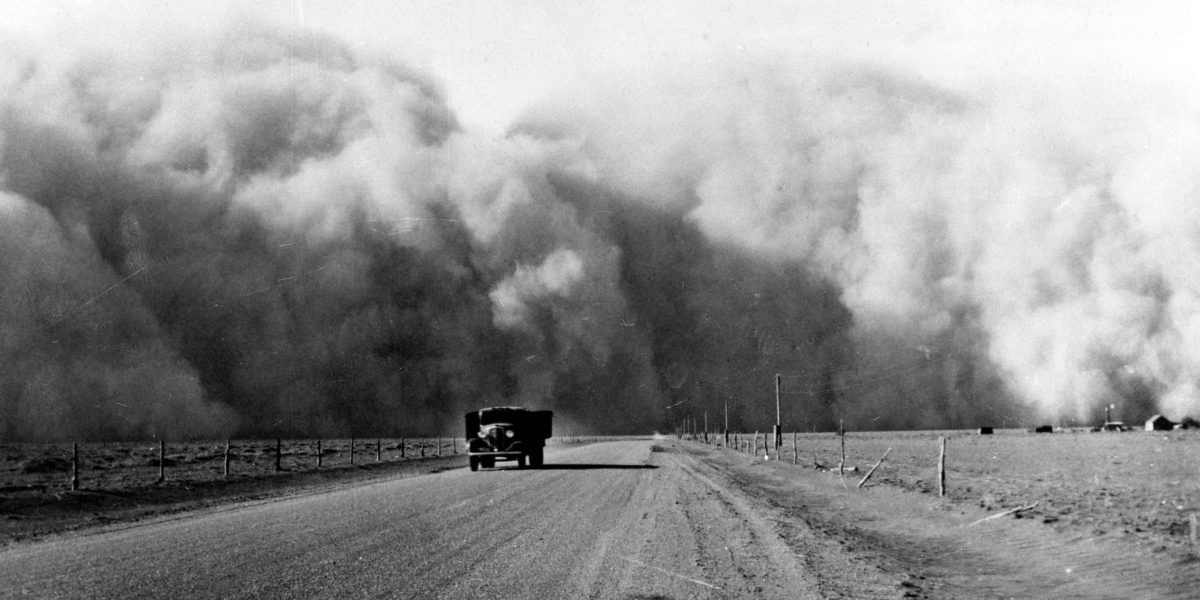
A rare Super El Niño could deepen drought across parts of U.S. farm country, according to AccuWeather, raising another risk for growers already under financial strain. The warning matters because lower yields and tighter water supplies could add pressure to food production and prices.
AccuWeather said Friday that conditions are lining up for a possible multi-year drought that could hurt crop yields and water availability. Joel Myers, the company’s founder and executive chair, said severe drought already in place increases the chance of what he called a “mini-Dust Bowl,” though he said AccuWeather is not predicting a repeat of the 1930s disaster.
Myers said modern farming practices differ from those used during the Dust Bowl era, when dust storms devastated rural communities during the Great Depression and drove migration. Still, he said AccuWeather is treating the current setup seriously because stressed soybeans and other crops could see reduced yields in some regions.
El Niño can bring wetter-than-normal weather to the southern United States, according to AccuWeather, but northern parts of the country often face drought during the pattern. The firm said previous Super El Niño events were followed by dry conditions in Plains states for two to three years.
AccuWeather said drought can reinforce itself when dry weather pushes temperatures higher, increasing evaporation and leaving soils even drier. With parts of the Plains already in extreme drought, that cycle could prolong the damage.
The weather risk arrives after several years of economic pressure on U.S. farms. Fortune reported that farmers faced higher input costs after the post-COVID inflation surge, then weaker crop prices. The Federal Reserve’s rate increases made borrowing more expensive for agricultural businesses.
Trade policy has added to the strain. Fortune reported that President Donald Trump’s trade war last year raised tariffs on key metals, pushing up costs for tractors, combines, harvesters and parts. China’s retaliation led to a sharp drop in U.S. soybean exports, which Fortune said fell to $3 billion in 2025 from a peak of nearly $18 billion in 2022.
Although the United States and China have paused their trade fight, Fortune reported that soybean growers are expected to post a fourth straight losing year in 2026. Larger crops in South America have also weighed on the market, with Fortune reporting that soybean prices are down by about a third from 2022 levels.
Global weather effects could complicate the picture. AccuWeather said a Super El Niño would affect farm markets outside the United States, including parts of South America, where seasons could turn drier or wetter. Fortune reported that soybean and wheat yields in South America have often increased during El Niño periods.
Other costs remain elevated. Fortune reported that Trump’s war on Iran pushed diesel and fertilizer prices higher, and that energy markets are not expected to return to normal for months. Fertilizer prices are expected to stay above usual levels into spring 2027, according to Fortune.
Borrowing costs are another problem for farms. The Kansas City Fed said farmers with loans above $100,000 face interest rates near 7%, more than twice the level from four years earlier.
Federal support has increased, but filings show continuing stress. Fortune reported that last year’s One Big Beautiful Bill Act included about $66 billion in agriculture-related spending, with about $59 billion aimed at farm safety-net enhancements. Farm Aid said Chapter 12 family farm bankruptcies rose 46% in 2025 to 315 filings, and Fortune reported at least 158 filings in the first four months of 2026, including 62 in April.
This story draws on original reporting from Fortune.