
FAA says Boeing 737 Max software glitch is not a flight-safety concern
The FAA found pilots retain control in the affected landing scenario, removing one obstacle to Boeing 737 Max 10 certification.
By Daniel Okafor · Business Editor
2 min read
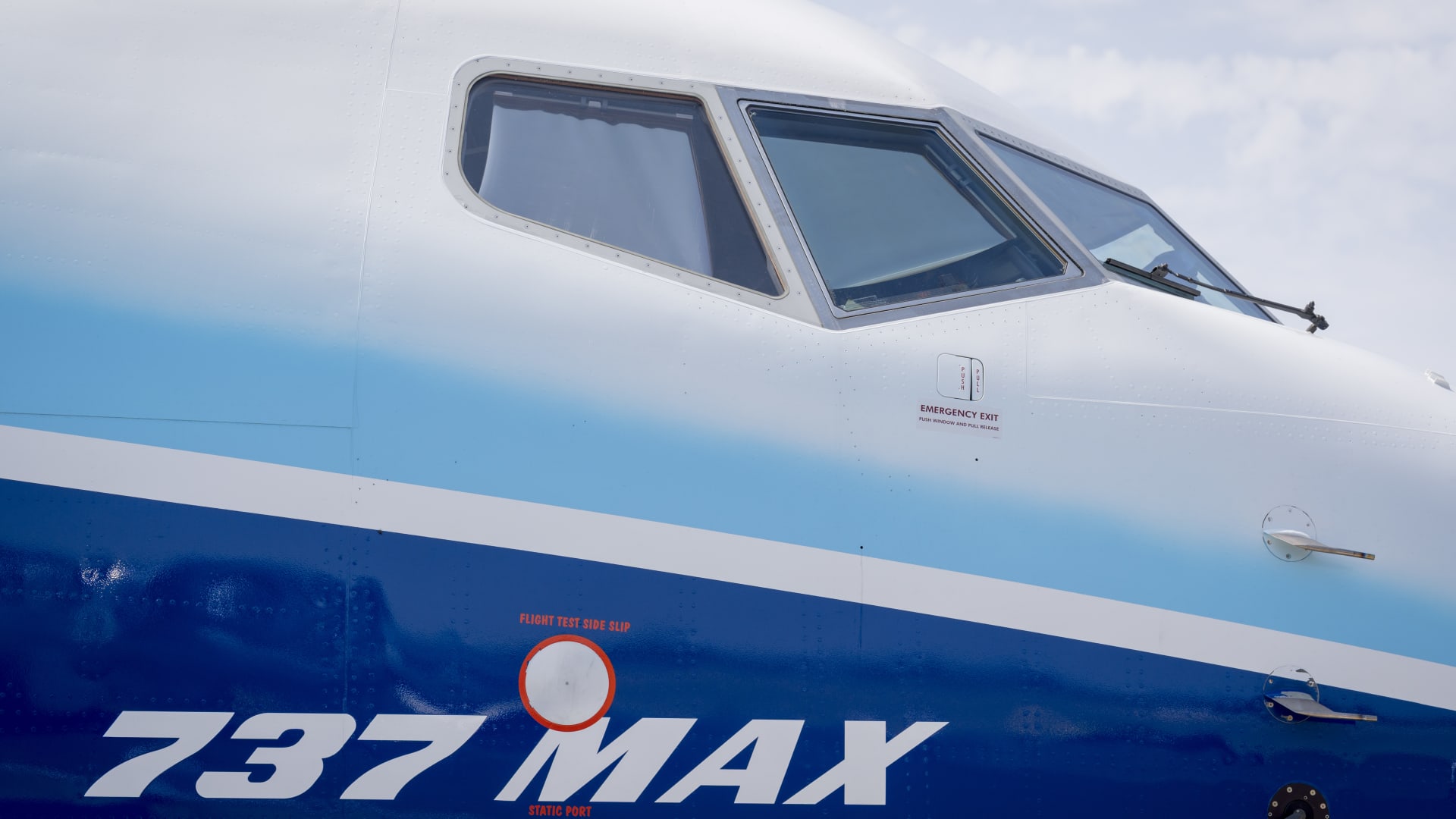
The FAA said its review of a Boeing 737 Max software glitch found it is not a flight-safety concern. The FAA Boeing 737 Max software glitch finding removes an obstacle in the certification process for the Max 10, but it does not amount to approval of that aircraft.
According to the FAA statement reported by CNBC, pilots retain full control of the plane if the problem occurs, and the indications to the flight crew are clear and unambiguous. A panel of FAA safety specialists reached the decision Friday after reviewing the issue in certain Max flight computers.
What happens after a missed approach on a 737 Max?
Boeing said the problem can occur after a missed approach, also known as a go-around, if pilots change a preprogrammed flight path. In that circumstance, crews must take additional steps to use automated tools during a later approach, CNBC reported.
Earlier reporting by The Wall Street Journal said the glitch emerged from a cockpit software update and, in a particular scenario, could leave pilots flying without some autopilot functions. Industry officials told the Journal that losing some automation could add to pilot workload at a low altitude or in poor weather.
The FAA will send airlines a special bulletin explaining how to recognize and respond to the issue if it occurs, CNBC reported. The agency also said it would consider further action if it receives new information.
What does the FAA finding mean for the Max 10?
The decision clears a regulatory hurdle for the 737 Max 10, the largest member of Boeing's Max family and the final variant awaiting government certification. It does not mean the FAA has certified the plane, CNBC reported.
Before the final review, FAA Administrator Bryan Bedford said the agency was examining whether the issue could create an unacceptable flight-crew workload and would hold up Max 10 certification until it was satisfied there was no safety-of-flight concern, according to The Seattle Times.
The issue applies to some aircraft using a particular software version, rather than the entire Max fleet, The Seattle Times reported. U.S. airlines said they were not affected because they could return to older software versions, according to CNBC.
This issue is separate from the MCAS flight-control system involved in the 2018 and 2019 Max crashes. Bedford said the current issue does not take control away from pilots, The Seattle Times reported.
This story draws on original reporting from CNBC.