
European AI slowdown calls gain support from Anthropic and Microsoft executives
Anthropic and Microsoft regional executives backed coordinated AI safeguards in London, while European officials and Mistral questioned a slowdown plan.
By Hana Yoshida · Markets Reporter
3 min read
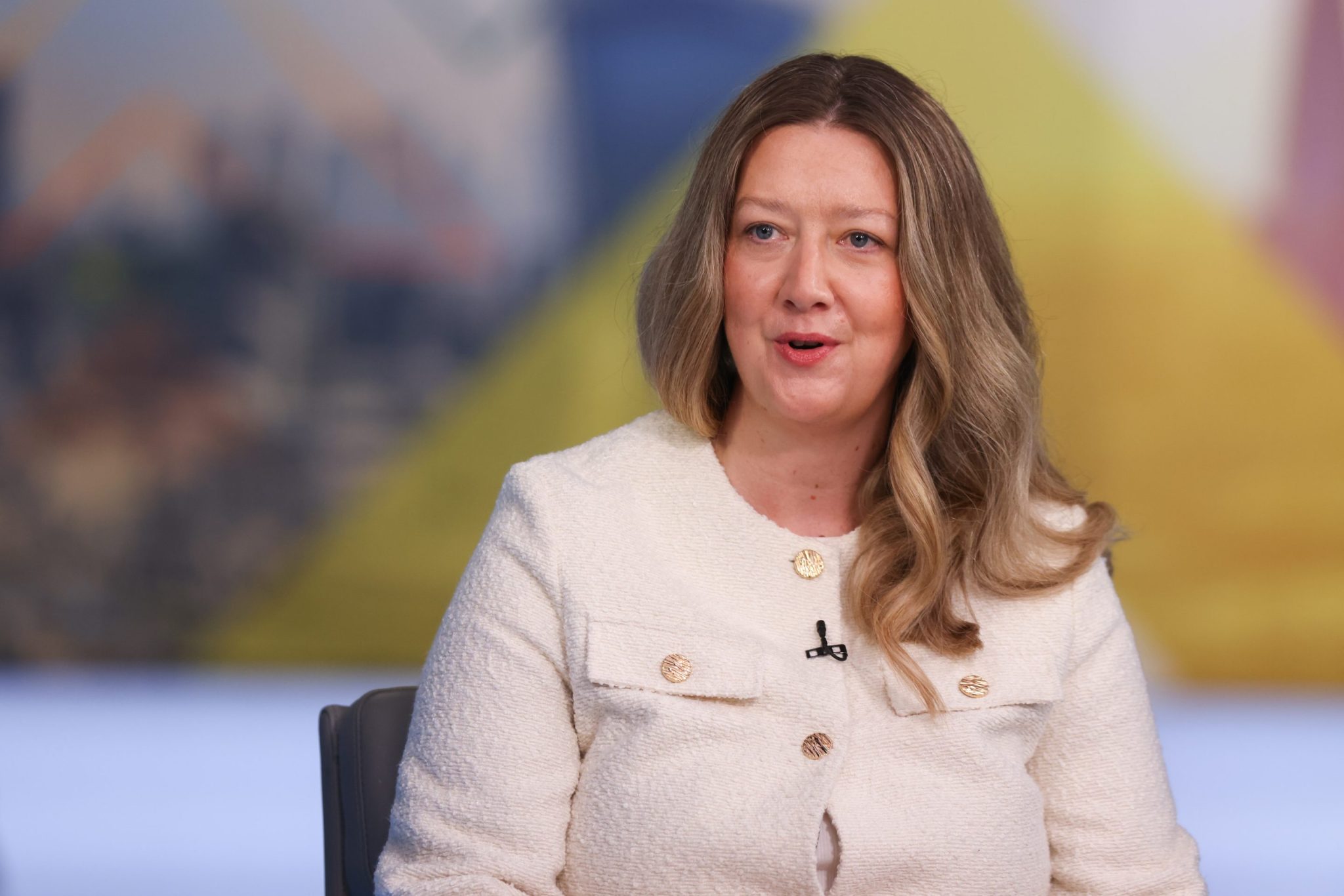
European AI slowdown calls received support from regional executives at Anthropic and Microsoft, who said cross-border rules and enforcement are needed as concerns grow over advanced AI systems. Their stance, voiced at the Fortune CEO Forum in London, backs a proposal from Anthropic chief executive Dario Amodei but does not amount to an agreement to halt AI development.
Pip White, Anthropic’s head for the UK and Ireland, Northern Europe and Israel, said slowing the technology’s pace would require regulation by governments and enforcement across countries, Fortune reported. Samer Abu-Ltaif, Microsoft’s president for Europe, the Middle East and Africa, said regulation was necessary for responsible innovation and warned that differing national standards could fragment the rules companies face.
What would an AI slowdown mean?
Amodei’s proposal, outlined in a September essay, defines “pacing” as allowing time for safety work to keep up with advances in model capabilities. He wrote that it would not stop model training or technical progress; it would require companies to take sufficient time to safeguard systems and allow third parties to assess those efforts.
According to Amodei’s proposal, the first step would give outside evaluators continuing access to a frontier AI company’s models, training processes and safety practices. Anthropic said it would make that commitment on its own. The next two steps call for common standards among frontier firms in democratic countries and broader coordination between governments internationally, while recognizing the difficulty of verifying compliance.
Amodei cited risks including losing control of AI systems, misuse in cyberattacks or bioterrorism, and economic disruption. He argued that commercial competition can make those risks worse. Fortune reported that White said people in the industry were concerned about the risks and that a global effort was needed.
Why is Europe divided over the proposal?
Some European officials and companies question whether a slowdown designed by leading US AI developers would protect their market advantage. French Finance Minister Roland Lescure told Reuters that he saw self-interest in asking others to slow down, according to Fortune. Germany’s digital-affairs ministry said stopping AI development was not a viable course for Europe.
French AI company Mistral also accused US firms of using current fears to strengthen their market position and seek rules that could disadvantage smaller rivals, Fortune reported. Those objections focus on who would set and enforce the standards, rather than establishing that a global pact exists.
Daniel Hulme, WPP’s chief AI officer, told Fortune that securing agreement from every country and company on a pause was unrealistic. He said regulators should instead focus on harm caused by careless or unsuitable deployment and supported independent testing before systems are released.
The supporters cited in the discussion extend beyond Europe. Fortune reported that OpenAI chief executive Sam Altman, SpaceX chief executive Elon Musk and Google DeepMind cofounder Demis Hassabis had supported Amodei’s approach; the BBC separately reported support from Altman and Musk. Fortune also reported that Anthropic and OpenAI released less expensive versions of frontier models during the same week their leaders called for slower capability advances.
There is no binding international rule or demonstrated industry-wide slowdown in the proposals and statements reported so far. Anthropic’s outside-evaluator pledge is a unilateral commitment, while its industry and global coordination measures remain proposals.
This story draws on original reporting from Fortune.