
UN extends Haiti gang force mandate through March 2027
The Security Council renewed the UN-backed multinational force for six months as Haiti prepares for December elections amid a staffing shortfall.
By Sofia Marchetti · World Affairs Correspondent
2 min read
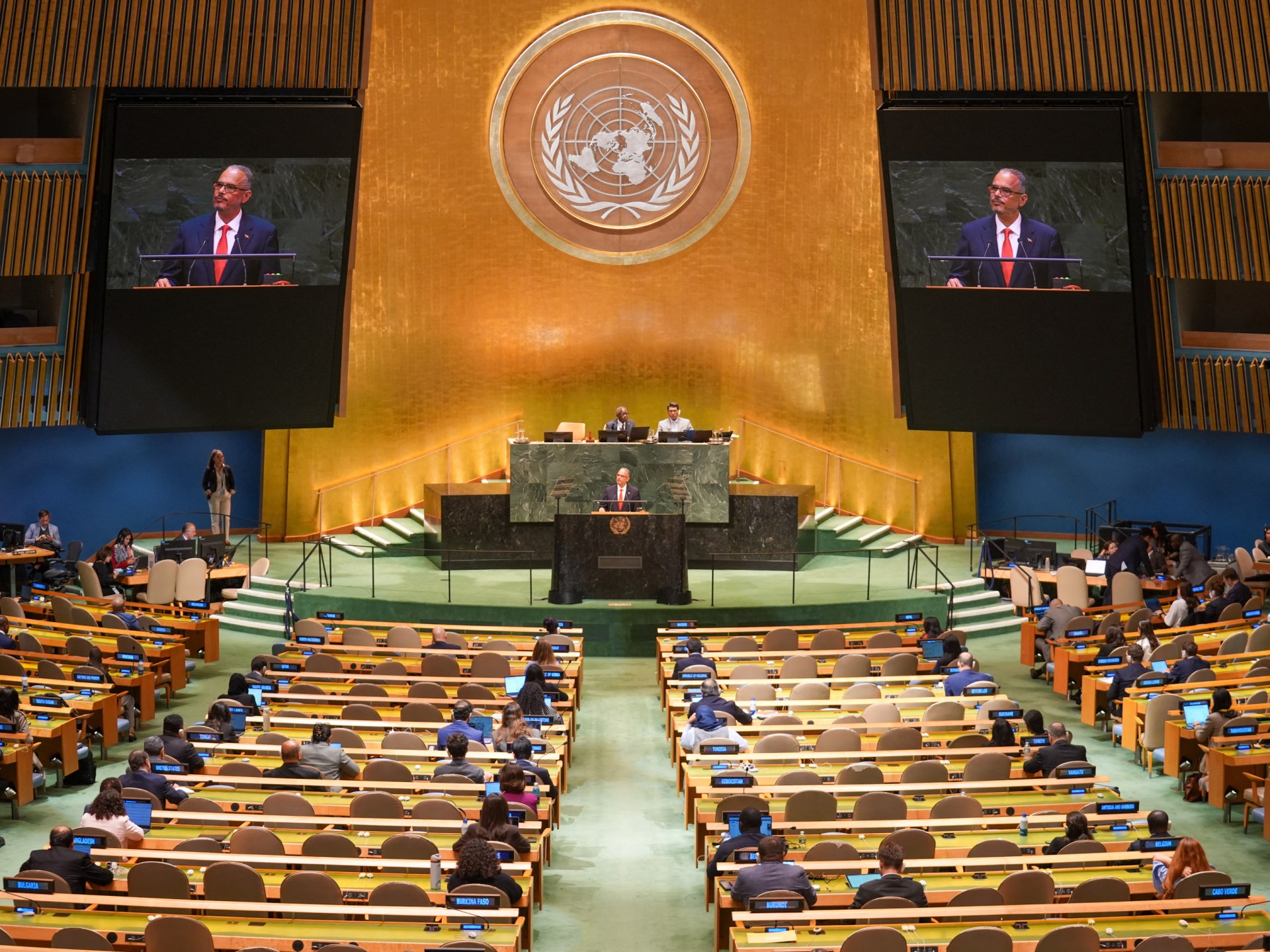
The UN extends Haiti gang force mandate for six months, giving the UN-backed multinational mission authority to operate until March 31, 2027. The Security Council’s Sept. 29 decision is intended to help create security conditions before Haiti’s planned Dec. 13 elections, though the force remains far below its intended staffing level, Reuters and CBC News reported.
Twelve Security Council members voted for the renewal and none voted against it. China, Russia and Pakistan abstained, citing concerns about funding, personnel and the mission’s effectiveness, according to Reuters.
Why did the UN extend Haiti’s Gang Suppression Force?
Haiti’s leaders first sought outside security support in 2022, Reuters reported. Armed groups still control large parts of the country, and insecurity has repeatedly delayed national elections; Haiti is scheduled to hold its first election in a decade on Dec. 13, with final results due March 7, Reuters and CBC News said.
The resolution aims to provide security ahead of that vote. It does not establish that the mission will meet that goal: the force has had difficulty deploying enough personnel for its mandate, Reuters reported.
The vote came after an attack in Haiti’s Artibonite region in which at least 11 people were killed and homes were burned. A local mayor told Reuters the violence was retaliation after a Gang Suppression Force unit killed three gang members during an operation against illegal toll booths.
What is the Gang Suppression Force?
The Gang Suppression Force, or GSF, is a multinational security effort backed by the United Nations, rather than a UN force, CBC News reported. It replaced the Kenyan-led Multinational Security Support mission, whose troops withdrew earlier in 2026 after the earlier deployment struggled with voluntary funding and staffing, according to Reuters and CBC News.
Its staffing remains a central constraint. U.S. Ambassador Mike Waltz said about 1,500 GSF personnel were deployed when the council voted and another 4,000 were expected in the coming months, Reuters reported. CBC News said the deployment was operating at less than 30% of its intended size.
RFI, citing AFP, reported that the force had been expected to build to 5,500 personnel and 50 civilian staff between April and October but remained short of that target. It separately reported fewer than 1,000 personnel as of July, underscoring that deployment figures have changed over time.
Haiti’s ambassador to the UN welcomed the extension and called for the personnel, equipment and operational resources needed for a full deployment, UPI reported. The ambassador said the mission should work with Haitian authorities to regain gang-held areas, protect critical infrastructure and support conditions for elections.
This story draws on original reporting from Al Jazeera.