
Billionaire philanthropist Denny Sanford dies at 90
The South Dakota banking magnate gave away more than $4 billion, including about $2 billion to Sanford Health, before his death July 18.
By Sofia Marchetti · World Affairs Correspondent
3 min read
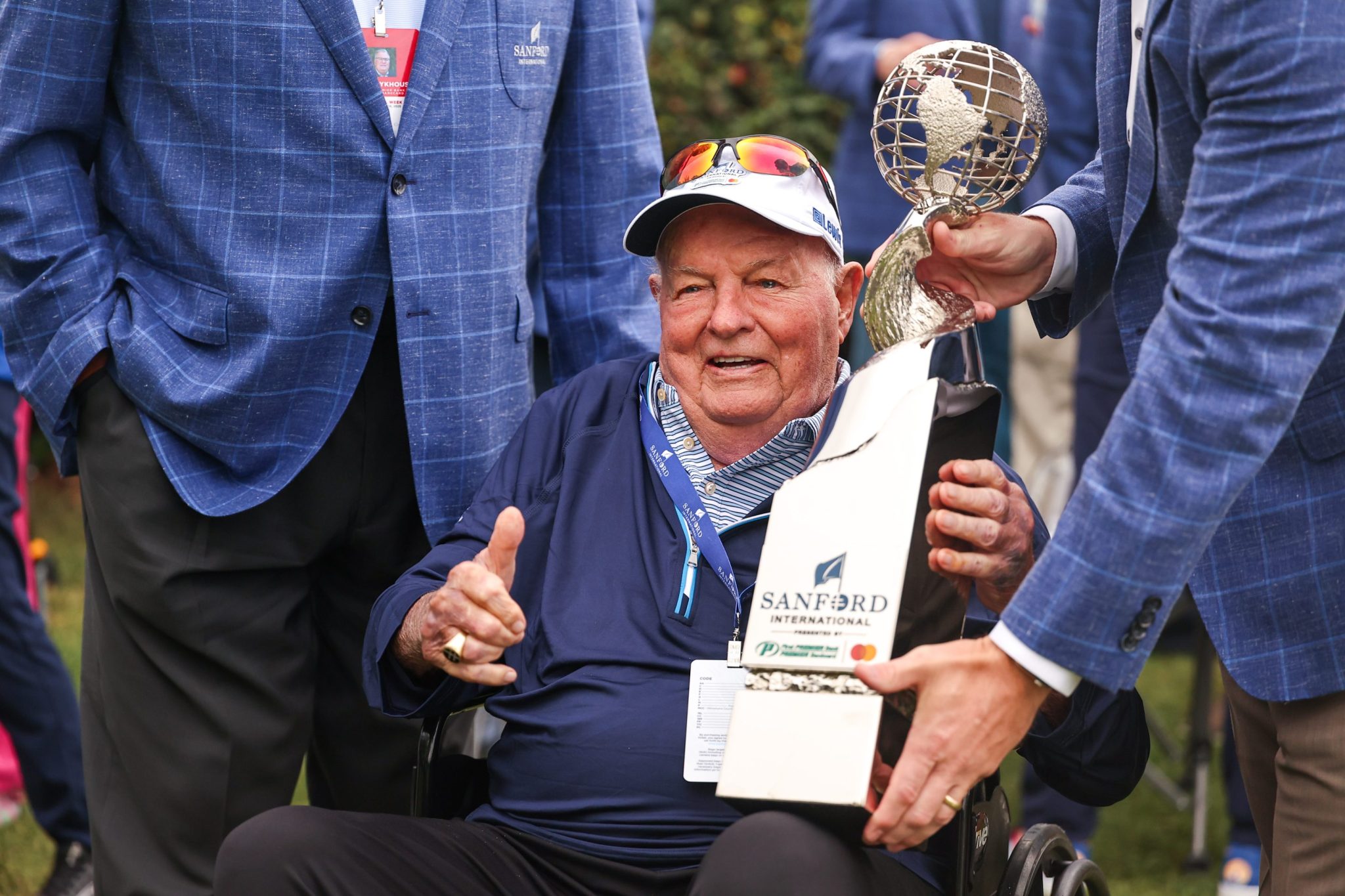
T. Denny Sanford, the banking billionaire whose donations reshaped health care, education and civic life in South Dakota, died July 18 at age 90. Sanford Health said he gave away more than $4 billion during his lifetime, including about $2 billion to the health system that carries his name.
Forbes estimated Sanford’s net worth at $2.4 billion in March. In a 2007 interview with Forbes, Sanford said he wanted to “die broke” and described his giving as an investment in the strongest return for himself and his community.
South Dakota Gov. Larry Rhoden called Sanford the greatest philanthropist in the state’s history. His largest and best-known gifts helped turn a regional hospital provider into one of the country’s largest rural health care networks, according to Sanford Health.
A wide footprint in South Dakota
Sanford’s giving reached far beyond hospitals. The governor’s office cited his support for the Sanford Underground Research Facility, Build Dakota Scholarships, the Premier/Freedom Scholarship, the Sioux Falls Development Foundation and the Children’s Home Society of South Dakota, where it said he was the largest donor.
Lt. Gov. Tony Venhuizen said in a statement that Sanford helped strengthen Sioux Falls’ culture of charitable giving and backed many community improvements. A 2024 FinancialPlanning study ranked South Dakota ninth among U.S. states for philanthropy, based on giving, volunteering and service rates.
Sanford also donated outside the Dakotas after later living in La Jolla, a San Diego neighborhood. His beneficiaries included UC San Diego, the Sanford Consortium and the San Diego Zoo and Safari Park, according to accounts of his philanthropy.
From finance to philanthropy
Sanford grew up poor in St. Paul, Minnesota, according to Arizona State University, which said his mother died of breast cancer when he was 4. Local profiles said he began working in his father’s garment shop at about age 8 and later enrolled at the University of Minnesota after a judge released him from jail following a teenage fight.
His fortune came from banking in South Dakota. Sanford bought a Sioux Falls bank in 1986 that became First Premier Bank, and its Premier Bankcard business issued credit cards to customers with weak or limited credit histories, a model aided by South Dakota banking rules.
Forbes reported in 2007 that Sanford defended the cards as a service for credit-impaired borrowers while acknowledging their costs. The magazine said customers paid $175 in fees for a $1,000 credit limit.
In 2007, Sanford gave $400 million to a regional health provider, then described as the largest gift to a U.S. health system. The provider adopted his name, and later donations helped expand Sanford Health across the Midwest.
The Chronicle of Philanthropy repeatedly included Sanford on its list of the 50 most generous U.S. donors. In 2025, the publication ranked him No. 14 after reporting $321 million in giving.
Investigation and later years
Sanford’s record also included a child pornography investigation reported by ProPublica in 2020. ProPublica reported that investigators obtained search warrants and that the matter was referred to the Justice Department; later unsealed records alleged image files tied to an email account linked to Sanford.
His lawyers said other people had access to his devices and pointed to signs of hacking. In 2022, South Dakota’s attorney general declined to bring state charges, saying there were no prosecutable offenses within the state’s jurisdiction.
Sanford joined the Giving Pledge in 2010 and was removed from it in 2023 after the investigation. Miles Beacom, chief executive of Premier Bankcard, said in a statement that Sanford reinvested his money in South Dakota.
This story draws on original reporting from Fortune.