
DEA accused of letting fentanyl shipments go unseized in New Mexico
Current and former agents told AP that investigators allowed large fentanyl shipments to move while building cases against traffickers.
By Sofia Marchetti · World Affairs Correspondent
3 min read
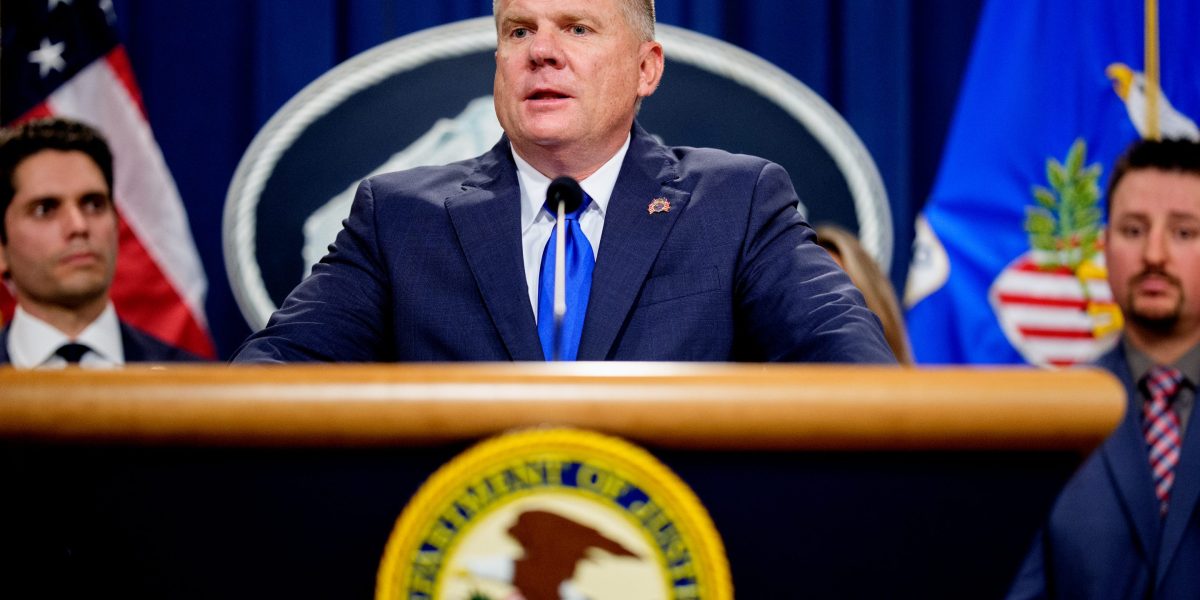
The Drug Enforcement Administration allowed large quantities of fentanyl pills to go unseized in New Mexico from 2023 to 2025 while pursuing broader trafficking investigations, according to current and former agents and government records reviewed by The Associated Press. The allegations put new scrutiny on a tactic that agents said may have exposed communities around Albuquerque to a drug federal officials have described as exceptionally lethal.
AP reported that DEA agents monitored fentanyl deliveries but did not always stop them, as federal prosecutors sought cases against larger drug organizations. The DEA said the decisions were lawful, reasonable and consistent with Justice Department guidance.
DEA spokesperson Amanda Wozniak told AP that descriptions suggesting the agency knowingly let fentanyl reach communities were false and mischaracterized the investigations. She said agents and prosecutors used court-approved wiretaps, surveillance, intelligence gathering and operational analysis to target larger trafficking groups.
Whistleblower challenged the tactic
DEA Special Agent David Howell told AP that agents let drugs move through New Mexico in pursuit of bigger cases. Howell, who filed a whistleblower complaint in 2023, said the agency’s approach risked lives and left investigators unable to account for pills that were not seized.
According to a 66-page report reviewed by AP, agents decoded phone conversations and watched a June 2023 transaction at an Albuquerque mobile home park involving 74,000 pills. AP reported that federal prosecutors later confirmed that pill count in a court filing.
Another DEA report reviewed by AP said investigators watched the same distribution network deliver a spare tire believed to contain fentanyl days earlier, without seizing it. Howell also told Justice Department investigators in early 2024 that agents had observed separate deliveries of 150,000 and 50,000 fentanyl pills that were not seized.
A former DEA supervisor, speaking anonymously to AP because of fear of retaliation, said Albuquerque agents let “millions” of pills go unseized during a multistate investigation last year. Howell’s whistleblower disclosures said agents permitted at least 1.8 million fentanyl pills to be delivered in that case.
That investigation ended with the largest fentanyl seizure in DEA history, according to AP: a May 2025 takedown announced by then-Attorney General Pam Bondi that recovered more than 3 million pills.
Former prosecutor defended larger cases
Alex Uballez, who served as U.S. attorney in New Mexico from 2022 until last year, told AP that authorities sometimes allowed shipments to remain unseized to collect intelligence and build cases against major traffickers. He said limited resources made it necessary to focus on larger organizations, arguing that such cases could save more lives.
Uballez also told AP that pill estimates based on intercepted calls are unreliable, and said it is difficult after the fact to determine how much fentanyl was allowed to move and how often.
The U.S. Attorney’s Office in Albuquerque did not answer AP’s questions about specific unseized shipments. Spokesperson Tessa DuBerry told AP that the conduct Howell raised occurred under prior leadership and that current officials are focused on prosecuting fentanyl trafficking and disrupting criminal groups.
Justice Department rules changed
AP reported that the Justice Department adopted internal fentanyl protocols in 2017 directing agents to seize or otherwise prevent distribution as soon as practicable, with public safety treated as the top concern. The department revised those rules in 2024 to give investigators more discretion to weigh public safety risks against preserving an investigation.
The Justice Department’s Office of Professional Responsibility found in 2024 that DEA and federal prosecutors made reasonable decisions and that their actions posed no specific danger to public health, according to AP. The U.S. Office of Special Counsel, which had initially found a substantial likelihood of wrongdoing, later deemed the Justice Department’s report reasonable.
New Mexico remains heavily affected by fentanyl, AP reported. While national overdose deaths fell 14% last year, government data showed a 21% increase in New Mexico.
This story draws on original reporting from Fortune.