
Data fears are keeping old phones and tablets in drawers
A survey of 4,000 U.S. consumers found storage was the most common fate for retired electronics, ahead of recycling or resale.
By Hana Yoshida · Markets Reporter
3 min read
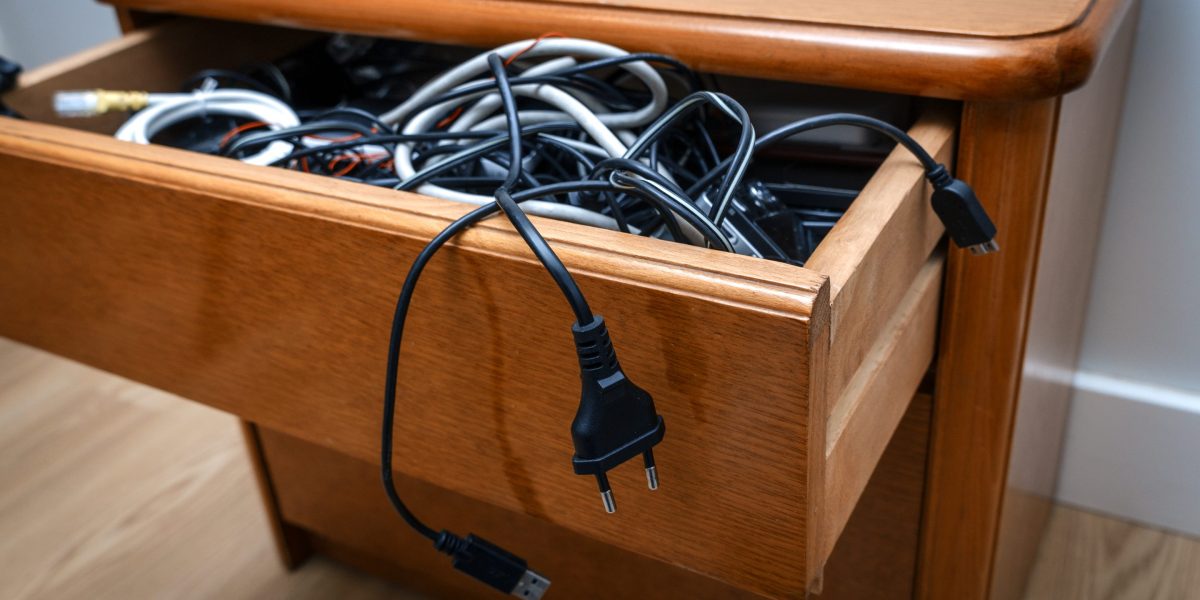
Americans are more likely to stash old phones, tablets and smartwatches than recycle or resell them, according to a survey of 4,000 U.S. consumers. The finding points to a practical problem for electronics reuse: many people hesitate to part with devices because they fear exposing personal data.
Researchers Eric Williams and Payam Saeedi of the Rochester Institute of Technology and Stacey Watson of the University of Waterloo reported the findings in The Conversation, citing a study funded by the National Science Foundation. They said 39% of consumers stored devices they no longer used, making it the most common outcome.
Recycling and reselling each accounted for about one in 10 retired devices, the researchers said. Another 9% were thrown in the trash.
Why devices stay at home
The researchers said two factors stood out: concern over data security and uncertainty about where to take old electronics. People who worried that recycling a device could put their data at risk were 14% more likely to store it instead, while those with similar concerns about reselling were 9% more likely to keep it.
Consumers who did not know where to recycle electronics were 10% more likely to hold onto a device, according to the researchers. They also found that some people kept old gadgets because they viewed them as a backup for stored information.
The team compared what people said they planned to do with what they had actually done. Williams, Saeedi and Watson said data-security concerns appeared to affect behavior more strongly when consumers faced the real choice of handing over a device to a recycler or buyer.
Recycling knowledge changes choices
The researchers said previous work has examined why people do or do not recycle electronics, often focusing on convenience, awareness and incentives. Their study compared several possible outcomes, including storing, reselling, donating, trading in, recycling and throwing devices away.
That approach showed trade-offs among choices, the researchers said. Knowing where to recycle made recycling 47% more likely, but it also drew some people away from reselling, which the researchers described as often better for the environment.
The authors said storage can be a poor outcome because an unused device can lose resale value over time, while removing personal data may become harder as years pass. They said better information could address the main barriers they identified.
What consumers can do
The researchers pointed to several existing options. They said Best Buy accepts devices for recycling in the United States, and online services such as Back Market and Gazelle offer resale or buyback routes.
They also said consumers should erase personal data before giving up a phone or computer and remove the device from linked Apple or Android accounts. If a device remains tied to an account, they said, it may stay locked to the prior owner and be unusable by someone else.
Williams, Saeedi and Watson said they are testing information efforts that explain disposal options and how to wipe data securely. They said randomized, controlled trials are being used to measure which prompts lead more people to give old electronics another use.
This story draws on original reporting from Fortune.