
Retired general warns closed AI could weaken US defense resilience
James “Spider” Marks argues that U.S. defense agencies need open-weight AI options as China narrows the gap with American models.
By Sofia Marchetti · World Affairs Correspondent
3 min read
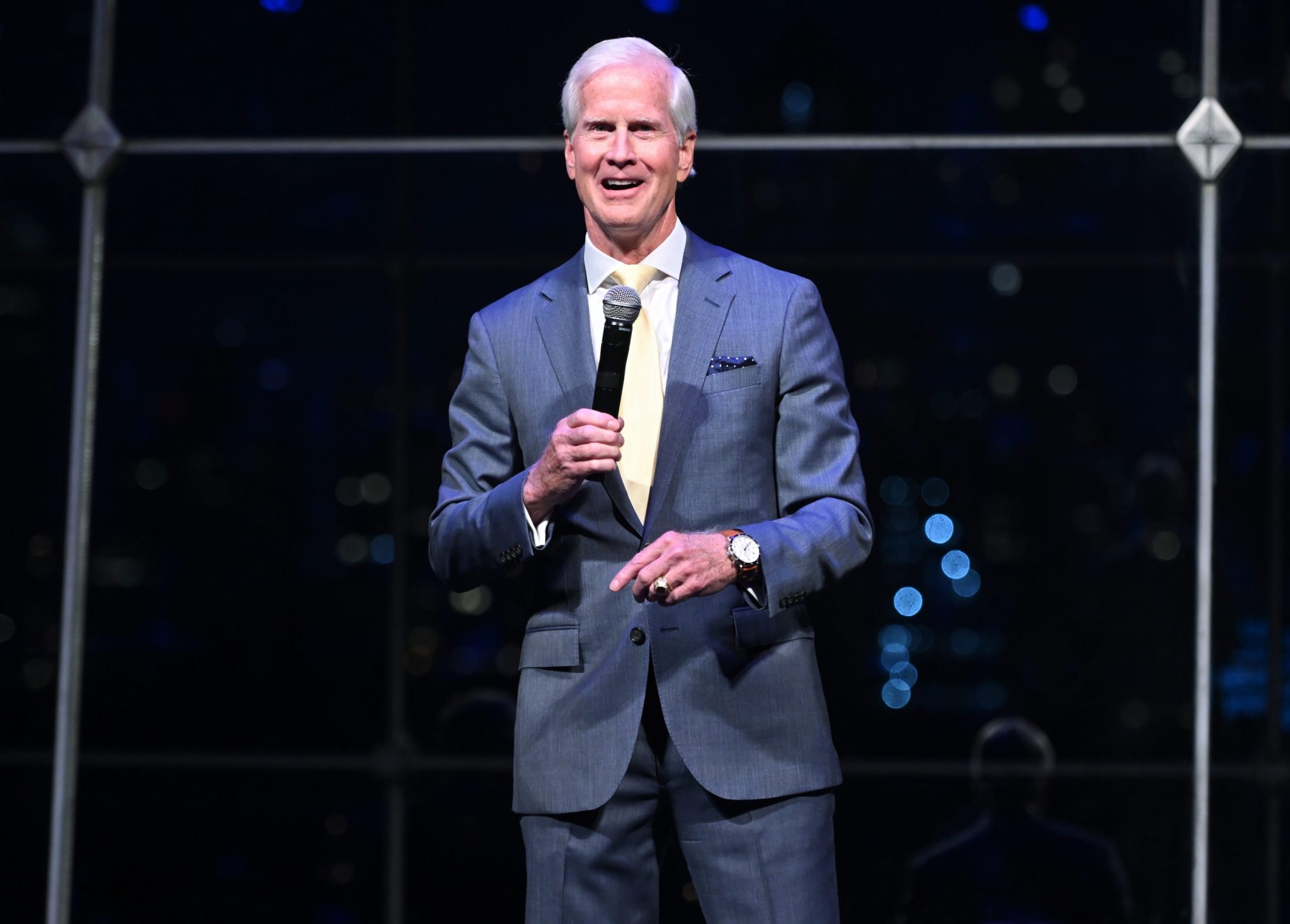
Retired Maj. Gen. James “Spider” Marks is warning that dependence on closed artificial intelligence systems could create a strategic weakness for the United States and its allies. In a Fortune commentary, Marks argued that military trust now extends to AI infrastructure, as the technology takes on a larger role in intelligence, communications and weapons systems.
Marks, a former commanding general of the Army Intelligence Center and a CNN national security analyst, said the U.S. lead over China in AI is shrinking. He pointed to Moonshot AI, a Beijing-based startup whose Kimi K3 model, according to Fortune, has shown front-end coding abilities comparable to systems from Anthropic and OpenAI.
The warning centers on control. Marks argued that closed commercial AI systems can leave governments dependent on private vendors that may change access rules, alter models or restrict lines of research with little notice.
Anthropic’s Fable 5 drew scrutiny
Marks cited Anthropic’s release of Fable 5 last month as an example of tension between government interests and closed AI providers. According to NBC News reports referenced by Marks, the model was released with strict safety controls meant to block or redirect risky requests.
Those controls reportedly affected some harmless academic prompts as well. Marks said reports showed Fable 5 declined to answer some educational questions in biology, chemistry and mathematics, including basic prompts about mitochondria.
Marks also cited researchers who accused the model of providing weaker answers on advanced AI development topics, a move they said could limit competitors and independent researchers. He said the effect, whether planned or accidental, was that a private company influenced access to technical knowledge.
According to Business Insider reporting cited by Marks, the Commerce Department later reversed course on restrictions involving Anthropic’s model. Marks said calls for government intervention have continued, including from some policymakers and from Anthropic itself.
Defense agencies are spreading risk
Marks argued that U.S. defense leaders should avoid single-vendor dependence in AI, just as commanders would avoid it in weapons, communications or intelligence systems. He cited Federal News Network reporting that the Pentagon is using a “best-of-breed” approach by working with several AI companies.
That strategy, Marks wrote, includes more transparent and adaptable open-weight models. He described it as a break from older procurement patterns that relied heavily on a small group of major defense contractors.
Open-weight systems, according to Marks, give military users more control because they can run on sovereign infrastructure, undergo security review, be adjusted for specific missions and remain usable without relying on a provider’s shifting business priorities.
China is promoting open-source AI
Marks also tied the debate to competition with China. He cited a JPMorganChase report that said China has strengths in the AI race, including support for open-source AI ecosystems, while the United States leads in frontier models, semiconductor design and AI financing.
Chinese President Xi Jinping used remarks at the 2026 World Artificial Intelligence Conference in Shanghai to present China as a supporter of open-source AI, Fortune reported. Marks argued that the United States should answer by accelerating open-weight models built around democratic values and shared with allies under secure conditions.
Marks said cybersecurity experts have warned that limiting access to advanced AI can make it harder for defenders to find vulnerabilities, test systems and build countermeasures. He argued that broader access to responsibly built models could reduce the danger of concentrated control.
His central concern is resilience. Marks wrote that national defense needs AI systems that U.S. agencies can inspect, adapt and control, rather than a closed ecosystem shaped by a handful of private companies.
This story draws on original reporting from Fortune.