
Mattress sizing starts with the room, not the label
Standard bed dimensions can guide buyers, but store owner Craig Fruchtman says room measurements and sleeping needs should come first.
By Sofia Marchetti · World Affairs Correspondent
3 min read
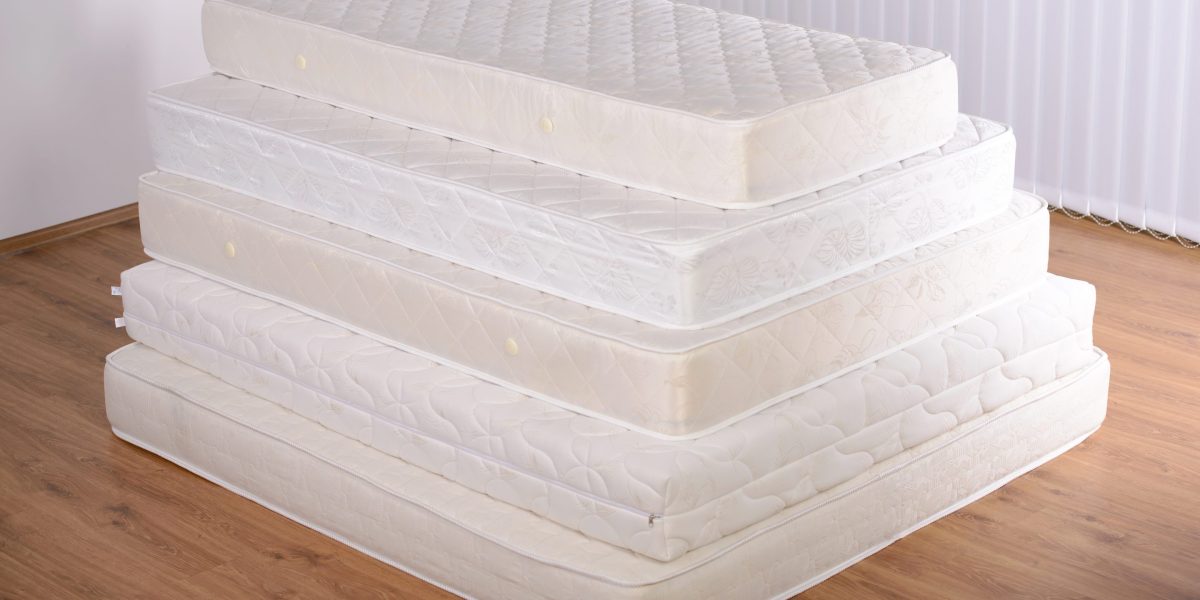
Choosing a mattress size is often less about upgrading to the biggest bed and more about matching the bed to the room and the people using it. Fortune reported that Craig Fruchtman, owner of Craig’s Beds in New York City, advises buyers to measure their bedroom first because some stores may not allow size-based exchanges.
Fruchtman told Fortune that shoppers should also account for partners, pets and any other sleeping arrangements before picking a size. He cautioned against treating king and California king labels as status markers, saying the right bed depends on a person’s space, body and habits.
Standard mattress dimensions
Fortune listed the main U.S. mattress sizes as generally standardized, though individual brands may vary by about an inch. The publication noted that a mattress shipped in a box may also need time to fully expand after delivery.
- Twin: 38 inches wide by 75 inches long.
- Twin XL: 38 inches wide by 80 inches long.
- Full: 54 inches wide by 75 inches long.
- Queen: 60 inches wide by 80 inches long.
- King: 76 inches wide by 80 inches long.
- California king: 72 inches wide by 84 inches long.
A twin bed is the smallest common option and is generally suited to one sleeper in a tight room, according to Fortune. The same report said twin beds are typically the least expensive because they use less material, though their 75-inch length may be uncomfortable for very tall sleepers.
A twin XL keeps the same width but adds five inches of length. Fortune reported that Fruchtman sees twin and twin XL mattresses as practical guest-bed choices because they cost less and take up less space than larger beds.
A full mattress adds width for a single sleeper who wants more room to move, while some companies also sell full XL beds. Fruchtman told Fortune that less common or custom sizes can make it harder to find compatible furniture and may reduce mattress options.
Queen, king and California king
Fortune reported that queens are often a strong choice for couples who want more room than a full bed without taking as much floor space as a king. Fruchtman said that if a shopper can fit both a full and a queen, the queen may be the better value because it usually does not cost much more.
A king mattress is the same length as a queen but 16 inches wider, giving couples more room for bedding, pillows and movement, according to Fortune. Fruchtman warned that buyers should factor in the cost of king-size sheets, blankets and other accessories.
A California king is longer than a standard king but four inches narrower. Fortune reported that Fruchtman often sees New York City buyers regret California kings because they can be difficult to set up in smaller homes, though he said the size may work better in roomier suburban houses.
How to decide
Fortune identified room space, sleep movement, the number of sleepers and price as the main factors in selecting a mattress size. Larger mattresses generally cost more because they require more material.
The publication also noted that larger specialty beds exist, including split king, Texas king, Wyoming king and Alaskan king models. Purple describes a Texas king as about 80 inches wide and 98 inches long, while Fortune listed a Wyoming king at 84 inches by 84 inches and an Alaskan king at 108 inches by 108 inches.
For most buyers, Fruchtman’s advice to Fortune was direct: measure the room, decide what space can be given to the bed, and choose based on how the mattress will be used rather than how the label sounds.
This story draws on original reporting from Fortune.