
BofA sees S&P 500 pullback as AI-led speculation builds
Bank of America kept its 7,100 year-end S&P 500 target, implying a decline from recent levels after a strong first half for stocks.
By Daniel Okafor · Business Editor
3 min read
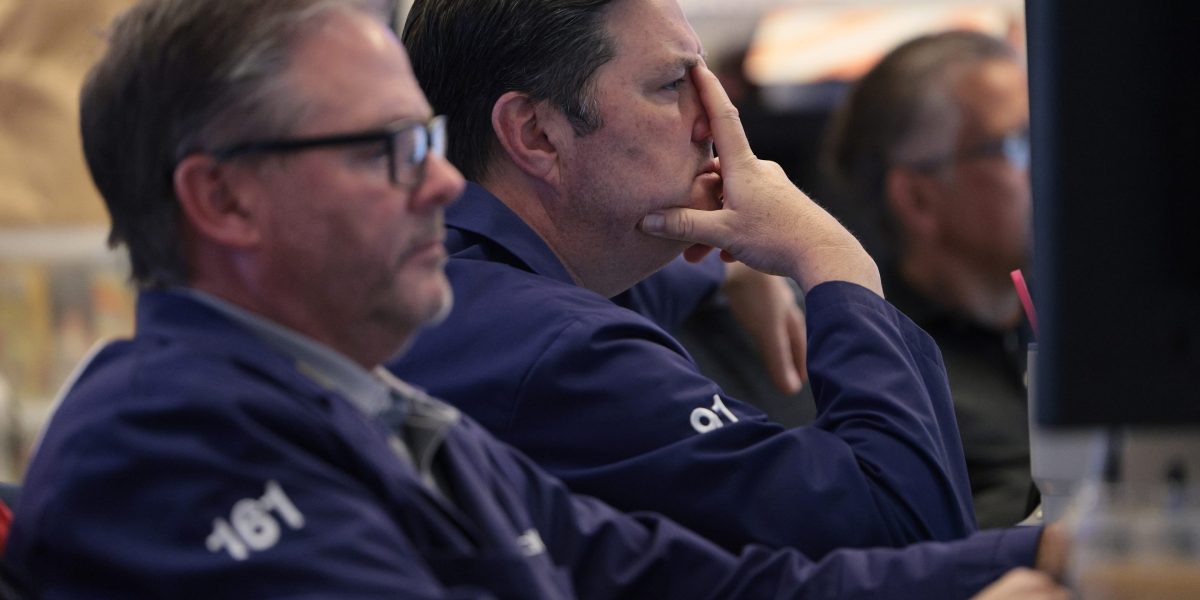
Bank of America expects the S&P 500 to give back part of its 2026 advance, warning that investor enthusiasm has pushed speculative corners of the market too far. The call matters because the broad index has climbed about 9% this year after posting its strongest quarter since 2020.
In a Tuesday note, BofA analysts kept their year-end target for the S&P 500 at 7,100. Fortune reported that the target would put the index about 5% below its closing level for the week.
BofA said its bear-market indicators show speculation has reached extreme levels, with high-valuation stocks rising sharply. The bank said similar moves in the past have come before a pullback in valuations.
AI spending is part of the warning
The bank also pointed to weakening cash generation among S&P 500 companies. According to BofA, companies in the index are producing less free cash flow relative to net income than historical patterns would suggest.
BofA tied part of that pressure to large technology companies spending heavily on artificial intelligence infrastructure. The bank said free cash flow at so-called hyperscalers has fallen as AI-related capital spending eats into earnings quality.
The AI trade has continued to drive some of the market’s strongest gains. Fortune reported that Micron Technology was up 242% in 2026 and 700% from a year earlier, even after a recent decline.
The S&P 500 recently reached an all-time high of 7,621, according to Fortune, before swinging sharply and falling about 2%. BofA’s caution comes as investors weigh whether the rally in chipmakers and other AI-linked shares can keep supporting the broader market.
Rate risk adds pressure
BofA also flagged monetary policy as a risk. The bank has forecast that the Federal Reserve will raise interest rates three times this year as it tries to curb inflation that has remained above its 2% target for more than five years, according to Fortune.
Stocks have often posted gains during earlier Fed tightening cycles, BofA said, with market peaks typically arriving six to 12 months after the first rate increase. The bank said the current setup is different because the S&P 500 is more expensive before a first hike than in any prior cycle except 1999 to 2000.
Other market watchers have also raised concerns about volatility tied to AI enthusiasm. Capital Economics cited sharp swings in South Korea’s Kospi index, which includes AI-linked companies such as SK Hynix and Samsung, after the index hit a record and then suffered one of its worst daily drops.
Capital Economics analysts said that kind of volatility points to excessive froth and raises doubts about whether the rally can last. The firm noted that comparable selloffs have appeared during bear markets including the Asian financial crisis, the dot-com bust and the global financial crisis.
Wall Street remains split
JPMorgan offered a more upbeat view last month, raising its year-end S&P 500 target to 7,800 from 7,600, Fortune reported. The bank cited strong earnings estimates and assumed the Fed would keep rates steady this year before raising them next year.
JPMorgan still warned that the climb could be uneven. Its analysts cited a tougher second-quarter earnings bar, crowded momentum trades, rising equity supply and possible tighter monetary policy as risks, including a higher chance of a flash crash in speculative growth and low-quality segments.
Yardeni Research President Ed Yardeni has taken an even more bullish position. Fortune reported that Yardeni lifted his year-end S&P 500 target to 8,250 from 7,700 in May, citing strong corporate profits and expectations that earnings will stay solid.
Yardeni rejected comparisons between the current AI rally and the dot-com bubble. In a Saturday note quoted by Fortune, he said the late-1990s surge was driven by fear of missing out, while today’s market is being powered by what he called “fabulous earnings momentum.”
This story draws on original reporting from Fortune.