
Birding health benefits draw attention from psychologists
Studies reviewed by Morehouse psychologist Jennifer Andrews link bird encounters to better mood, attention and social connection.
By Sofia Marchetti · World Affairs Correspondent
3 min read
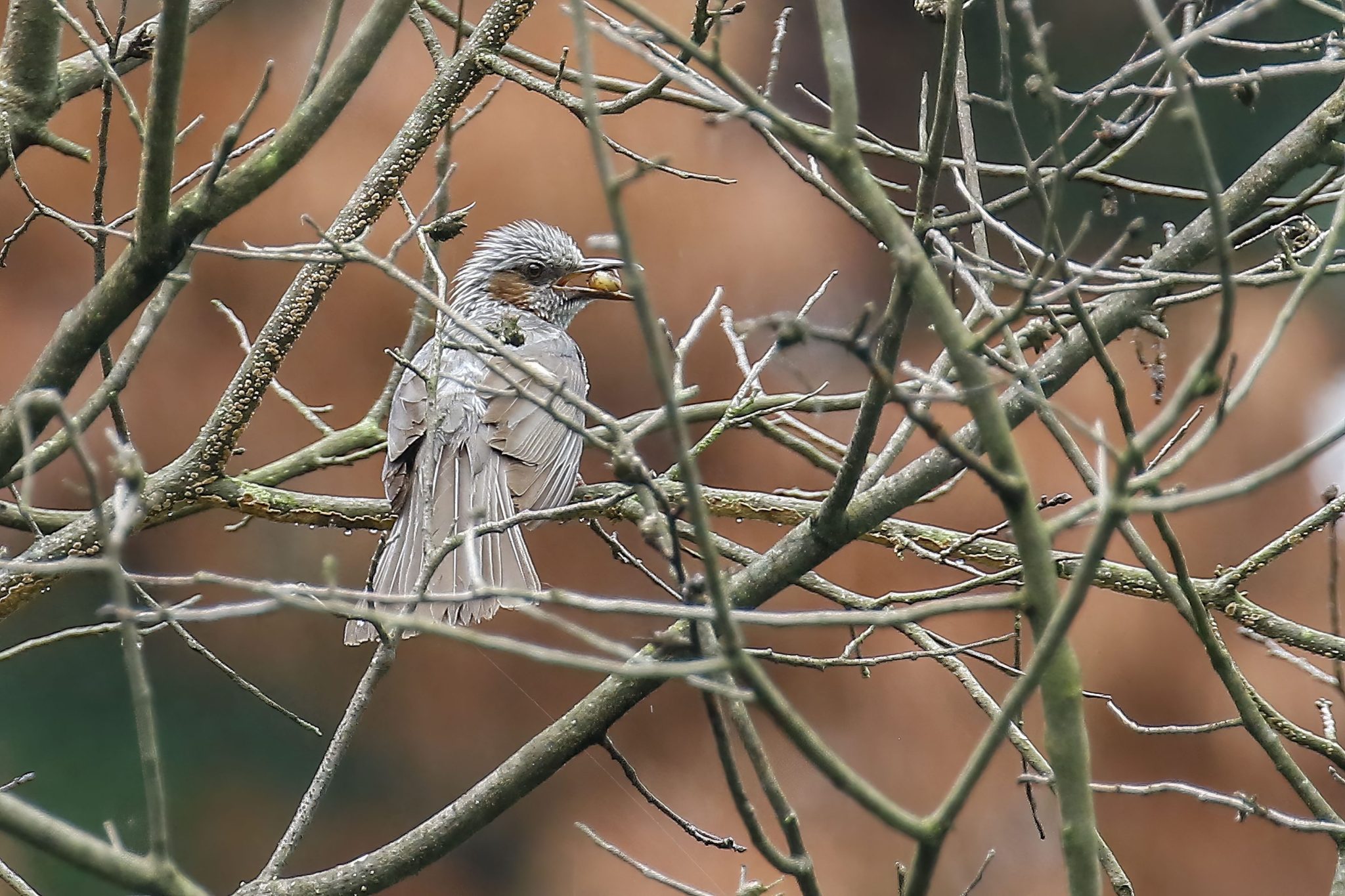
Birding health benefits are getting closer scrutiny from psychologists as research links watching and listening to birds with better mood, lower stress and sharper attention. The findings matter because birding is low-cost, widely accessible and can fit into daily routines without special travel or equipment.
Birding, also called bird-watching, means observing wild birds in their natural surroundings. According to the National Audubon Society, the practice can involve identifying birds by sight, sound, behavior or habitat.
Jennifer Andrews, an assistant professor of psychology at Morehouse College, wrote that research on nature and health has long found benefits from time outdoors. A newer line of work, including a 2024 review by Andrews and colleagues, suggests encounters with birds may have a distinct role in well-being.
What are the health benefits of birding?
Studies cited by Andrews link bird encounters with improved mood, less distress, restored attention, stronger social ties and greater concern for the environment. One recent study found that a walk focused on seeing birds produced greater gains in well-being and larger reductions in distress than a general nature walk or no change in routine.
Andrews said her lab at Morehouse College replicated and presented related findings in undergraduate students. In that work, students were measured before and after a bird walk, a nature walk or viewing a nature documentary; the bird-walk group showed larger increases in mindfulness behaviors, including present-moment awareness and alertness.
The research does not require people to become expert birders. Experimental data cited by Andrews suggests that hearing birdsong alone can support mental health, meaning the benefits may come through more than one kind of bird encounter.
Why might birds affect attention and the brain?
Birding asks people to notice details: color patterns, size, shape, calls, movement and surroundings. Andrews wrote that those tasks use attention, memory, pattern recognition and decision-making, all of which relate to cognitive function.
Some studies have associated birding with better memory and attention. Brain-imaging research cited by Andrews has also found that experienced birders show stronger activity in areas tied to visual processing, working memory and object identification.
Researchers have not yet shown whether birding causes those brain differences or whether people with those strengths are more likely to take up birding. Andrews said the evidence is promising enough to justify more study, including possible use of birding as a low-cost support for conditions involving anxiety, depression, attention or memory.
How do people take part?
Birding can be solitary, but Andrews noted that it also supports community. Many birders join local chapters of the National Audubon Society or take part in group bird walks and other bird-related activities.
Citizen-science projects also give birders a way to contribute data. The Cornell Lab of Ornithology runs projects including eBird and Project FeederWatch, which collect volunteer observations used to monitor bird populations and connect participants.
Preliminary research cited by Andrews suggests birders may be more likely to support conservation and take actions that benefit the environment. She wrote that paying close attention to birds may strengthen a person’s connection to the natural world.
Birding is also flexible. People can look and listen for birds in wilderness areas, neighborhoods, parks or city blocks, and beginners can use tools such as the Cornell Lab of Ornithology’s free Merlin app to identify birds by sight or sound.
Andrews cautioned that more research is needed before scientists can draw firm conclusions about how long the effects last, who benefits most and whether certain birds or habitats are more restorative. For now, she wrote, the evidence indicates that paying attention to birds can be a practical way to slow down, notice one’s surroundings and engage with nature.
This story draws on original reporting from Fortune.