
Billionaire heirs press families to speed up giving, philanthropy leaders say
A Milken Institute report says younger heirs are gaining influence as scrutiny of ultrawealth and a $124 trillion wealth transfer reshape philanthropy.
By Sofia Marchetti · World Affairs Correspondent
3 min read
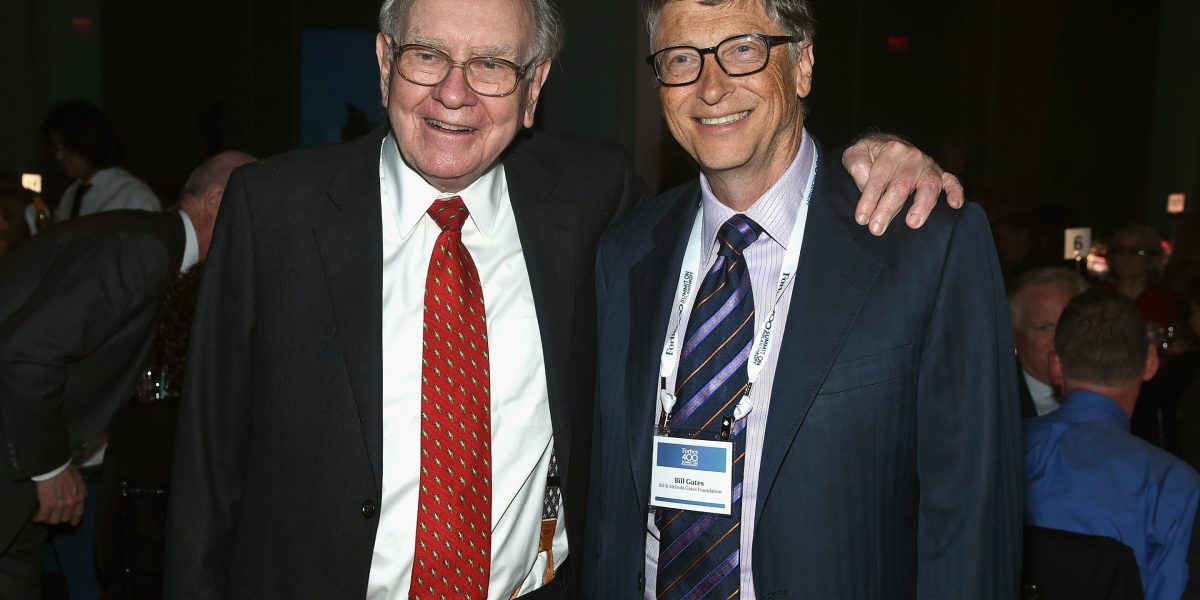
Children and grandchildren in ultrawealthy families are pushing older relatives to give money away sooner, according to leaders in philanthropy. The shift matters because millennials and Gen Xers are expected to receive part of a $124 trillion wealth transfer by 2048, while public scrutiny of extreme wealth has intensified.
A new Milken Institute report says younger family members are gaining more say over philanthropic decisions and pressing for faster, more direct use of family fortunes. Melissa Stevens, executive vice president of Milken Institute Strategic Philanthropy and a co-author of the report, told Fortune that heightened attention on inequality has raised expectations for wealthy donors.
The Giving Pledge, created in 2010 by Warren Buffett, Bill Gates and Melinda French Gates, has long asked the world’s richest people to commit much of their wealth to charity, Fortune reported. Katherine Lorenz, who leads The Giving Pledge’s Next Gen group for heirs and relatives involved in philanthropy, told Fortune that many younger members of wealthy families want parents to distribute more money at a quicker pace.
Lorenz said younger heirs are often ready to put capital to work sooner, while older generations can be the obstacle. She also said many want donors to take more risk and place more trust in the communities they intend to support.
Different priorities for a younger donor class
The Milken Institute report describes a generational change in how rich families think about giving. Stevens told Fortune that younger heirs often see themselves less as traditional philanthropists and more as impact investors, advocates or backers of social change.
According to Fortune’s account of the report, many younger donors are using tools such as impact investing, advocacy and venture-style giving instead of relying only on grants. Stevens said younger family members are often drawn to climate change, racial justice and gender equity, while older generations have tended to emphasize broad areas such as health and education.
The pressure comes as billionaire wealth has climbed. Oxfam said billionaire wealth rose more than 16% last year to a record $18.3 trillion, according to Fortune. A 2026 Pew survey cited by Fortune found that nearly one-third of adults ages 18 to 29 said being extremely rich is morally wrong, compared with 10% of adults 65 and older.
Lorenz told Fortune that younger donors are also asking more questions about the systems behind social problems. Using housing as an example, she said donors should consider both immediate shelter needs and the deeper reasons people become unhoused.
MacKenzie Scott cited as a model
Stevens pointed to MacKenzie Scott as a leading example of trust-based philanthropy, Fortune reported. Scott, the former wife of Amazon founder Jeff Bezos, has distributed about $26 billion over six years, much of it through unrestricted gifts to groups including HBCUs, DEI organizations and disaster relief efforts.
Women are also expected to gain influence over philanthropy as wealth changes hands. Fortune, citing projections in the Milken Institute report, said women are expected to inherit about $47 trillion by 2048, or roughly 56% of inherited wealth globally.
Lorenz’s own family history shapes her view of the issue, Fortune reported. Her grandfather, George Mitchell, built wealth in oil and real estate, and Devon Energy bought Mitchell Energy & Development Corp. for $3.1 billion in 2001.
After work in Nicaragua and Oaxaca, Mexico, Lorenz joined the Cynthia and George Mitchell Foundation at age 25, Fortune reported. She later led the foundation after her grandfather signed the Giving Pledge in 2010; over nearly five decades, the foundation has given close to $1 billion, mainly for sustainability work involving land, water and energy, as well as education.
This story draws on original reporting from Fortune.