
Beef prices are expected to stay high as cattle herds shrink
Ground beef and steak prices remain near records, with tight cattle supplies and strong U.S. demand keeping pressure on grocery bills.
By Sofia Marchetti · World Affairs Correspondent
3 min read
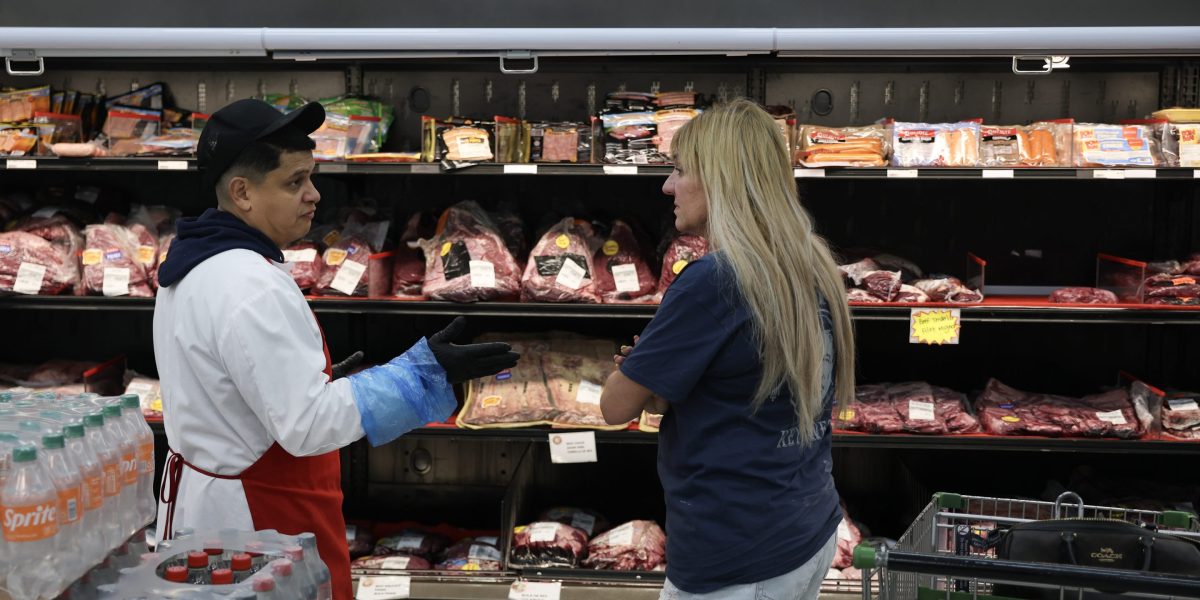
U.S. shoppers are paying near-record prices for beef, and relief may be years away. The American Farm Bureau Federation says cattle numbers are likely to remain depressed until at least 2028, limiting how quickly supply can recover.
Ground beef averaged $6.90 a pound in April, a record in Bureau of Labor Statistics data cited by Fortune. That was nearly $1 higher than a year earlier. Steak prices averaged $12.80 a pound in May, up 16% from the prior year, according to the same federal data.
Prices have eased slightly since April, according to the BLS, but federal forecasters do not expect a quick return to cheaper beef. The U.S. Department of Agriculture’s latest food price outlook estimates beef prices will rise 10.1% in 2026, with possible inflation ranging from 2.8% to 18.3%.
Herds remain unusually small
The Farm Bureau says the U.S. beef cattle inventory has fallen to a 75-year low. It attributes the decline to years of drought, higher borrowing costs and rising production expenses.
As of January, the national cattle inventory was down 8.2 million animals, or 8.6%, from 2020, according to USDA data cited by Fortune. That drop followed a period of persistent and severe drought that began the following year and pushed ranchers to reduce herd sizes.
Rebuilding herds takes time because ranchers must hold back animals for breeding rather than sending them to market. The Farm Bureau expects cattle numbers to stay low until at least 2028.
Demand is keeping pressure on prices
Glynn Tonsor, a Kansas State University agricultural economist, told Fortune that consumer demand is playing an even larger role than supply constraints in today’s beef prices. Tonsor runs the Meat Demand Monitor, a Kansas State project that has surveyed U.S. consumers each month since February 2020.
According to the monitor, the share of Americans who said they were vegan or vegetarian fell from 14% in 2020 to 7% in 2025. Tonsor linked stronger beef demand to a broader U.S. shift toward higher-protein eating, including federal dietary guidance that recommends prioritizing protein and including it at every meal.
Tonsor told Fortune that U.S. consumer demand for beef rose in each of the past two years and has helped pull prices higher. He said that demand has been a larger economic force behind current prices than supply-side factors.
Producers have tried to meet demand despite fewer cattle. Tonsor said the industry is getting more beef per cow by raising animals to heavier weights and increasing imports. The USDA said beef imports were up 11% year to date as of April 11 compared with 2025, with meatpackers bringing in more beef from countries including Argentina and Mexico, Fortune reported.
Energy costs add another strain
Protein prices had started to decline earlier this year before production costs rose as the war in Iran pushed energy prices higher, according to Fortune. U.S. gasoline prices have stayed above $4 a gallon since March, and experts and government officials cited by Fortune expect them to remain elevated for several months, possibly into 2027.
Higher energy prices can raise costs throughout the beef supply chain, from feed and transportation to processing and grocery-store refrigeration. Tonsor told Fortune that higher transportation costs will soon reach consumers.
He also said higher fertilizer costs could lift corn and cattle-feed prices, slowing production growth. If fewer producers expand because costs are too high, less beef may reach consumers than otherwise would have, according to Tonsor.
This story draws on original reporting from Fortune.