
Bangkok heat adaptation faces rising costs as extreme heat days climb
Bangkok is expanding cooling centers and heat alerts as forecasts show hotter days, higher costs and rising health risks by mid-century.
By Sofia Marchetti · World Affairs Correspondent
3 min read
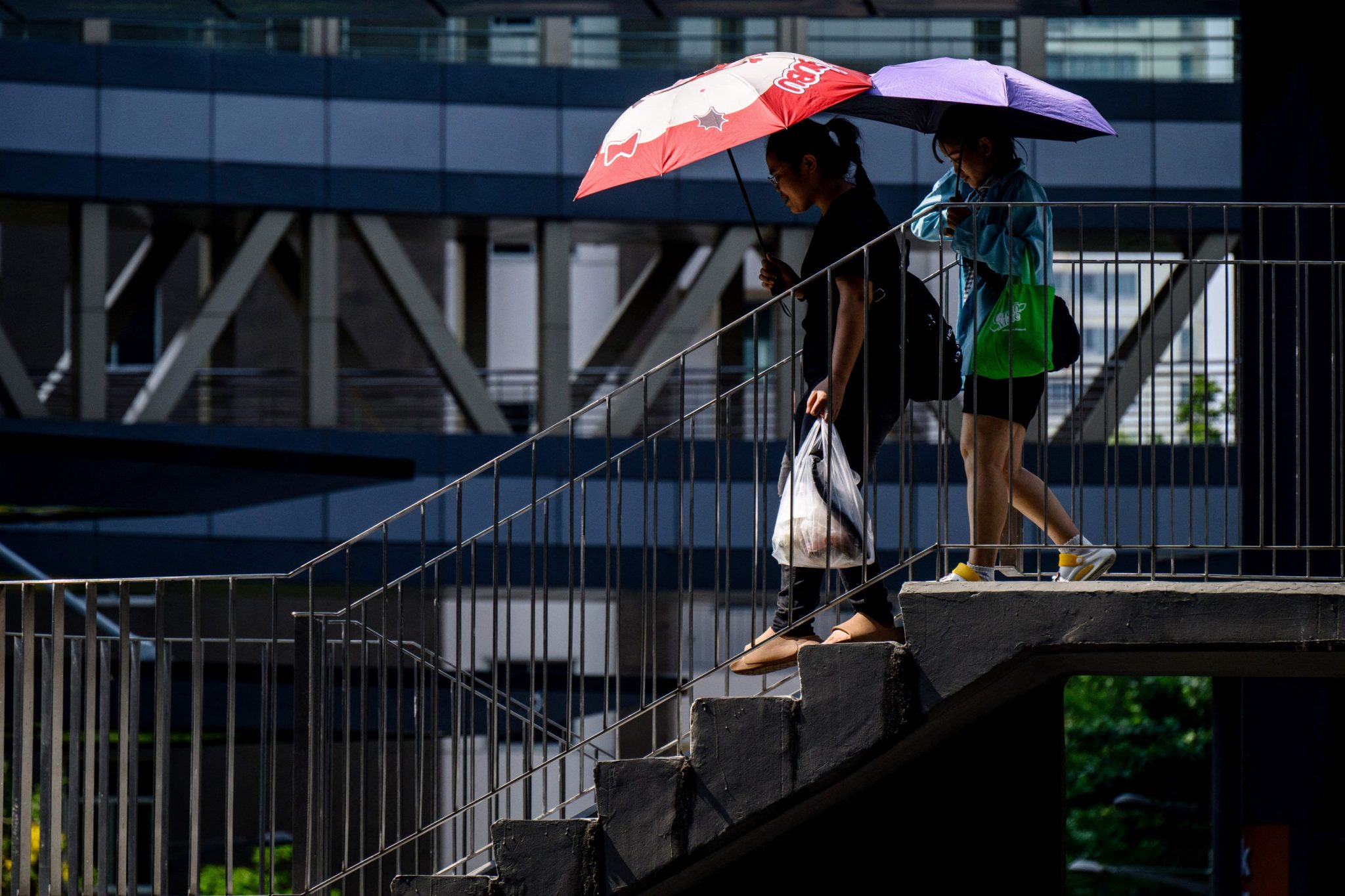
Bangkok heat adaptation is becoming a bigger test for city leaders after the city’s heat index reached 51.9 degrees Celsius in late June, according to Nation Thailand. The reading followed a run of danger-level conditions that began in April and underscored the public health and economic risks facing the Thai capital.
Higher temperatures affect how long people can work outside, how much companies spend on cooling and whether visitors choose to travel during the hottest months. Those pressures are especially relevant for Thailand’s tourism, manufacturing, agriculture and construction sectors, which Fortune identified as exposed to extreme heat.
Nation Thailand has reported that Bangkok’s average daily maximum temperature is projected to rise to 38.1 degrees Celsius by 2050, compared with 33.3 degrees Celsius in 2000. The ASEAN Centre for Energy expects the number of days above 35 degrees Celsius to nearly triple to 120 a year by mid-century.
How is Bangkok adapting to extreme heat?
Bangkok Metropolitan Administration has expanded emergency heat measures through its Urban Heat Management Framework. The city has set up more than 300 cooling centers, added hydration stations, issued heat-health advisories and mapped 379 heat-risk zones to guide responses, according to reporting cited by Fortune.
Cooling centers give residents a place to escape dangerous heat during a heat wave. They do not, on their own, lower neighborhood temperatures over the long term, which is why planners and development institutions are focusing on city design, shade, cooling infrastructure and better data.
The World Bank has warned that a one degree Celsius increase in Bangkok’s average temperature could mean more than 2,300 additional heat-related deaths each year. It also estimated more than 44 billion baht, or about $1.3 billion, in lost wages from lower labor productivity and roughly 17 billion baht, or about $509 million, in added electricity costs.
Those figures point to a challenge that extends beyond emergency management. The World Bank has noted that Bangkok’s expanded cooling efforts are not fully reaching the hottest neighborhoods because detailed microclimate data is not fully built into planning.
Singapore’s Digital Urban Climate Twin offers one model for using data before construction begins. The tool lets planners test measures such as tree planting and ventilation corridors, and it has shown that a park’s cooling effect can extend about 300 meters, according to material cited by Fortune.
The same research cautions that adding trees can have diminishing or even counterproductive effects if done without careful planning. For Bangkok, the broader lesson is that heat investments need to be targeted where they can reduce temperatures and protect people most effectively.
Financing remains another barrier. A 2025 Climate Policy Initiative analysis found Southeast Asia needs about $20 billion a year for adaptation investment but receives roughly $2.5 billion, an 88% shortfall.
Bangkok will also host the International Monetary Fund and World Bank Group meetings in mid-October 2026, the first time the meetings have returned to Thailand since 1991. Fortune said the economic costs of heat are likely to be a central issue as the city weighs how much to invest before hotter conditions become more frequent.
This story draws on original reporting from Fortune.