
Aramco chair urges energy realism amid market strains
Yasir Al-Rumayyan said renewables cannot replace fossil fuels as Saudi investors weigh energy security, European rules and overseas spending.
By Hana Yoshida · Markets Reporter
3 min read
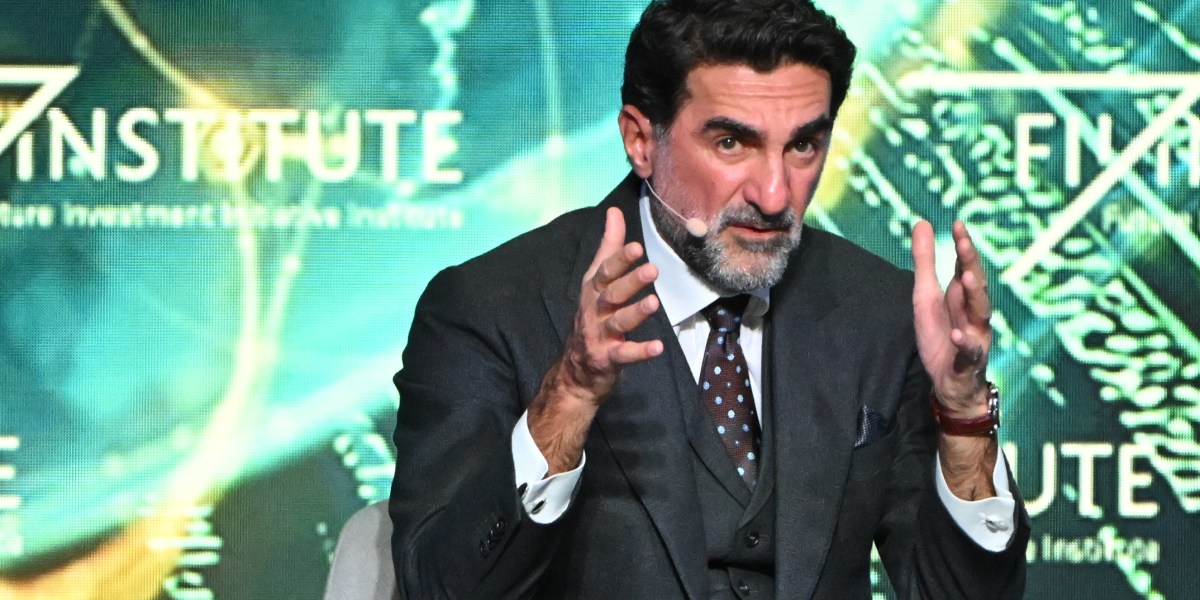
Saudi Aramco Chairman Yasir Al-Rumayyan urged policymakers to adopt what he called “energy realism” as conflict involving Iran strains global energy markets, Fortune reported. His remarks matter because they tie Saudi Arabia’s oil policy, sovereign investment plans and criticism of European climate regulation to a fresh energy-security shock.
Al-Rumayyan, who also serves as governor of Saudi Arabia’s $1 trillion Public Investment Fund, made the comments at the opening session of the Future Investment Initiative Priority Europe summit in Rome last week, according to Fortune. Asked what lesson the recent conflict held for global energy security, he said the focus should be on “energy realism.”
Fortune reported that Al-Rumayyan criticized European regulation and the push to replace fossil fuels with renewable energy. He said newer energy sources were a welcome addition, but argued they would not serve as a substitute for oil and gas.
Al-Rumayyan said the world still depends on fossil fuels, according to Fortune. He pointed to industries including petrochemicals, fertilizers and food production, and said rising demand from artificial intelligence technologies would add to global energy needs.
European rules and Saudi investment
The Gulf Cooperation Council said last December that it had “deep concern” about proposed European Union sustainability and due diligence legislation, according to a GCC statement cited by Fortune. Al-Rumayyan said such rules could have hurt investors including Aramco, Saudi petrochemicals company Sabic and PIF, both by limiting new investment and raising questions over existing holdings in Europe.
EU member states in the European Council approved an agreement in February to reduce sustainability reporting and due diligence requirements for companies, Fortune reported. The article said the change should help draw more energy investment to Europe.
PIF invested €98 billion, or $112.12 billion, across Europe and the United Kingdom from 2017 to 2025, according to Fortune. Aramco spent about €80 billion, or $91.53 billion, with European suppliers, including roughly €20 billion, or $22.88 billion, in Italy.
Al-Rumayyan said PIF has identified about 140 possible partnership opportunities with European companies under its 2030 strategy, Fortune reported. Those include work tied to Saudi Arabia’s automotive industry and investments in Italian luxury and manufacturing businesses.
He said opportunities involving joint ventures with European industries were worth about €10.4 billion, or $11.9 billion, through the end of 2030, according to Fortune.
Oil flows and storage plans
Al-Rumayyan also highlighted Saudi Arabia’s role during the blockade on the Strait of Hormuz, Fortune reported. He said the kingdom exported as much as seven million barrels of oil a day through its East-West pipeline to the Red Sea port of Yanbu during the Iran conflict.
Aramco is considering expanding its international oil storage network, according to Fortune. The company currently has a high concentration of storage facilities in Asia, including Korea and Japan.
Al-Rumayyan said PIF’s new investment strategy emphasizes domestic growth while keeping the fund active overseas, Fortune reported. He said foreign investments could shrink as a share of the portfolio but still rise in absolute terms as PIF’s assets under management grow.
This story draws on original reporting from Fortune.