
Incoming Apple CEO John Ternus faces pressure to revive product design
John Ternus is set to replace Tim Cook in September as Apple watchers question whether its product culture can regain momentum.
By Sofia Marchetti · World Affairs Correspondent
4 min read
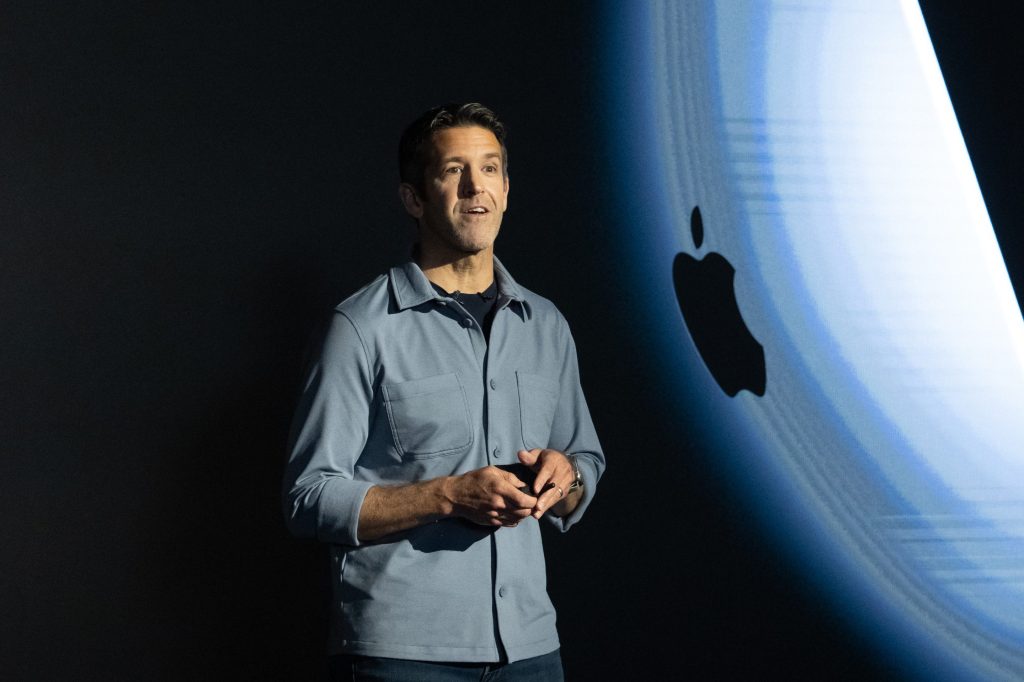
Incoming Apple CEO John Ternus is set to inherit a company with vast scale and a fresh question hanging over it: whether Apple can regain the product-design edge associated with the Steve Jobs years. Fortune reported that the September handoff from Tim Cook to Ternus, now Apple’s hardware engineering chief, has former employees, investors and analysts weighing whether the company can become more product-led again.
Apple declined to comment to Fortune. The debate comes despite a strong business record under Cook: Fortune reported that Apple’s annual revenue has risen by more than $300 billion since he became CEO in 2011, while profits have more than quadrupled.
Who is John Ternus?
Ternus currently leads Apple’s hardware engineering organization and is set to become chief executive after Cook. Fortune reported that former colleagues and analysts view him as a product-focused engineer rather than a Jobs-style visionary.
He has been credited with a key role in the 2007 iMac, the first model with Apple’s now-familiar aluminum casing, according to Fortune. The report said he is known for a collaborative style, regular contact with the design studio and polished appearances at Apple’s annual off-site meeting for its top 100 leaders.
Why Apple’s design culture is under scrutiny
Matthew Rogers, a former Apple engineer who worked on the original iPhone team and later co-founded Nest, told Fortune that Apple was flatter in the Jobs era. Rogers said young engineers could argue ideas directly with Jobs, and that Jobs surrounded himself with consumer-minded product leaders who were expected to challenge one another.
Fortune reported that early iPhone work began as a version derived from the iPod Nano, using a click wheel, before Jobs pushed the team toward a more ambitious design. Former staff described a culture that valued direct problem-solving and products that were intuitive enough to need little explanation.
Under Cook, Apple became one of the strongest operators in consumer technology, with a supply chain capable of producing premium hardware at scale. Critics interviewed by Fortune said that discipline also shifted power away from design and toward operations, manufacturing and financial priorities.
Several people cited by Fortune said Apple has not created or reshaped a daily-use product category on the level of the iPhone in years, with some pointing to the Apple Watch in 2015 as the last major example. The report also cited the Vision Pro headset as a commercial disappointment and Siri as an area where Apple has struggled.
What pressure does AI add?
Gene Munster, a longtime Apple analyst turned investor, told Fortune that artificial intelligence could change how consumers use devices and services, putting pressure on Apple’s hardware-centered model. Apple reported a global installed base of 2.5 billion active devices in its fiscal second quarter of 2026, according to Fortune.
Apple also faces talent pressure. Fortune reported that Jony Ive’s AI hardware startup, io Products, was acquired by OpenAI in 2025, and that Apple sued former vice president Tang Tan and another former employee on July 10, accusing them of taking trade secrets to OpenAI. OpenAI said it had “no interest in other companies’ trade secrets,” according to Fortune.
Other departures have added to the concern. Fortune reported that Paul Meade and Alan Dye, both vice presidents, recently left for OpenAI and Meta, respectively, while older design leaders including Danny Coster, Rico Zorkendorfer and Christopher Stringer had already departed.
What could Ternus change?
Analysts and former staff told Fortune that Ternus’s clearest lever is talent: building his own executive team and elevating designers and product leaders who can challenge the company’s current habits. Some said Apple should let design teams steer product direction more directly, rather than adapting ideas to fit operational goals.
Carolina Milanesi, a longtime Apple analyst, told Fortune that Apple remains the consumer hardware brand with the widest reach. She said Ternus has an engineering mindset that helps him judge what is possible, while also noting that he must lead a company that ships more than 200 million phones a year.
Ternus is expected to take over as Apple prepares its next iPhone lineup, which Fortune said could reportedly include the company’s first foldable phone. Rogers told Fortune that Ternus has both a difficult assignment and a significant opening: moving Apple from iteration toward innovation.
This story draws on original reporting from Fortune.