
Anne Hathaway says AI thank-you notes exposed job candidates
The actor said applicants for a recent position sent identical AI-written follow-ups, prompting Meryl Streep to say they would lose the job.
By Daniel Okafor · Business Editor
3 min read
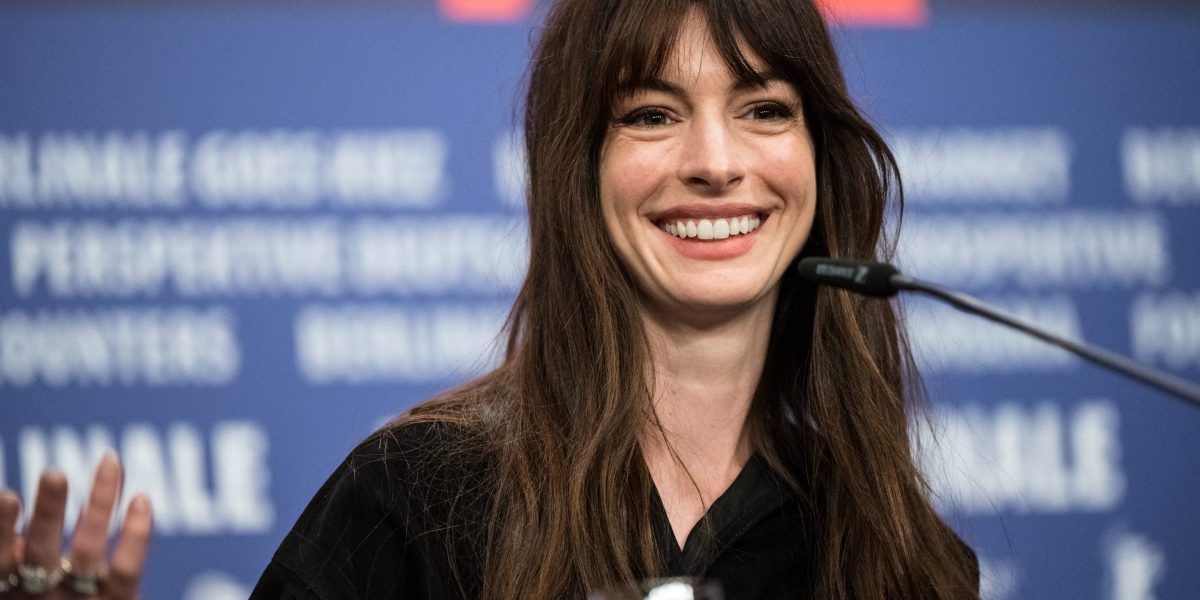
Anne Hathaway said a group of job candidates hurt their chances by sending her identical AI-written thank-you notes after interviews. The episode points to a new risk for applicants using ChatGPT and similar tools in hiring: automation can make them look interchangeable.
Hathaway described the incident in an interview with Hits Radio, according to Fortune. The Oscar-winning actor said she was trying to hire someone, liked the candidates and then received follow-up messages from each of them.
At first, Hathaway said, the note seemed polished and courteous. Then more messages arrived with the same wording, leading her to conclude the candidates had relied on AI.
“They were all the exact same thank-you note,” Hathaway said in the Hits Radio interview, as reported by Fortune.
Hathaway said the repetition made the candidates’ use of AI visible in a way they may not have expected. She warned applicants that using a tool to produce a generic message could reveal more than they intend.
Streep says the effort still matters
Meryl Streep, who joined Hathaway for the interview, reacted more sharply, according to Fortune. Streep said candidates applying for rare opportunities should be able to write a personal note themselves.
Streep said the failure would be “an absolute killer” in a hiring process. “Nobody on that list gets that job,” she said, according to Fortune.
Fortune framed the exchange as part of a broader tension in modern job hunting. The publication reported that AI has made it easier for applicants to apply widely and to generate materials quickly, but the same tools can also produce messages that sound alike.
Fortune also noted that many candidates face a difficult labor market, with young workers confronting economic uncertainty, AI-related job cuts and a strained entry-level market. In that setting, applicants may feel pressure to automate parts of the process, including follow-up emails.
The thank-you note has also become a disputed part of hiring, Fortune reported. Some workers see it as another unpaid task in a process that can already include several interview rounds, tests and informal evaluations.
Still, Fortune reported that a generic AI note can damage the purpose of the message. A thank-you email is supposed to remind an interviewer who the candidate is and why the conversation mattered; an identical note can suggest the opposite.
A small chance to stand out
Fortune cited Sophie Rocha, a marketing worker at the Gen Z careers platform Home From College, who has argued that follow-up notes are now uncommon enough to help candidates stand out. Rocha told Fortune that sending a thank-you after a call takes little time and can distinguish an applicant because many people skip it.
Hathaway’s account adds another warning for job seekers using AI in applications. Fortune reported that the issue was not the use of technology alone, but the failure to personalize the message before sending it.
For candidates, the lesson from Hathaway and Streep was direct: a follow-up note that looks efficient to the sender may look careless to the person making the hiring decision.
This story draws on original reporting from Fortune.