
Amazon blocks Meta’s Muse from shopping on its site
Amazon has stopped Meta’s Muse agent from shopping on Amazon.com, raising questions about access, credentials and control of AI-led purchases.
By Sofia Marchetti · World Affairs Correspondent
3 min read
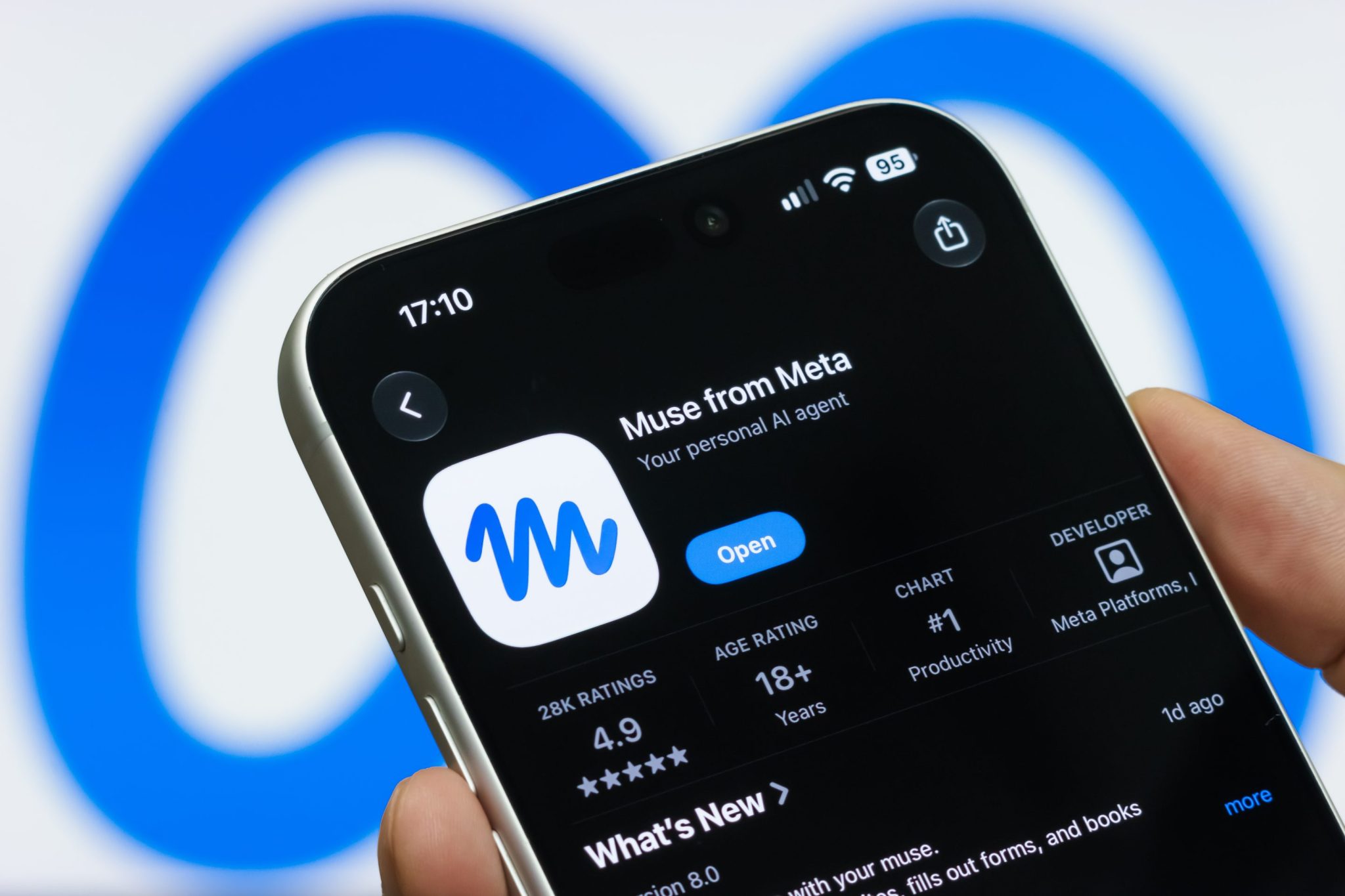
Amazon blocks Meta Muse from shopping on Amazon.com, saying the personal AI agent was not authorized to use its store. The move tests whether a retailer must accommodate an agent acting for a customer and follows Muse’s quick rise in Apple’s U.S. App Store rankings.
Amazon displayed a notice saying that continued access by an unauthorized AI agent violates its Conditions of Use, according to GeekWire and Fortune. An Amazon spokesperson said the company had asked Meta to remove its marketplace from Muse and that third-party apps making purchases for customers should operate openly and respect a service provider’s decision on participation.
Why did Amazon block Meta’s Muse?
Amazon said Meta did not tell it beforehand that Muse would access Amazon.com. The retailer also alleged that the agent did not identify itself while browsing and appeared to capture and store customer credentials and reach account data, raising privacy and security concerns. Those are Amazon’s allegations, not findings by a court or regulator.
Muse is Meta’s general-purpose personal AI agent, introduced on Sept. 8. It is designed to complete multistep work across email, calendars, payments, dining and shopping rather than only answer questions, according to GeekWire. Meta’s launch materials say the agent can connect through a public API when one is available or use a browser when a service has no API.
Meta has said Muse cannot view users’ passwords or payment methods, and that credentials users provide are placed in secure storage. The company also says Muse runs in a secure virtual machine, seeks approval before sensitive actions such as a purchase or email, and uses a monitoring agent called Sentinel for information sent to the internet. Those safeguards are Meta’s descriptions and have not been independently verified in the reporting cited here.
How popular is Meta’s Muse?
The early figures show strong app-chart visibility, though not enough to establish long-term adoption. Sensor Tower data cited by TechCrunch put U.S. iOS downloads above 83,000 as of Sept. 10, when Muse was No. 2 on Apple’s U.S. App Store charts. The app was then limited to the United States, and the estimate did not include people using Muse through the web or WhatsApp.
GeekWire and Business Insider later reported that Muse reached No. 1 on Apple’s U.S. free-app chart within a week of its launch. TechCrunch reported, however, that its initial pace trailed several comparison points: Threads recorded more than 4.3 million U.S. downloads on launch day, Meta AI had 108,000 U.S. downloads at debut, and ChatGPT passed 500,000 U.S. installs in less than a week after its U.S. launch.
Amazon has challenged outside shopping agents before. GeekWire reported that the Ninth Circuit in August found, in Amazon’s dispute with Perplexity’s Comet tool, that the user rather than the AI company was accessing Amazon’s computers for a federal anti-hacking-law claim; potential claims based on contracts and terms of service remained available.
Amazon also offers Buy for Me, an agent that shops on outside brand websites. According to GeekWire, Amazon says that feature identifies itself and lets brands opt out. The Meta dispute raises questions about where consumer agents can operate without a retailer’s separate permission.
This story draws on original reporting from Fortune.