
Leadership coach warns AI-written messages can erode staff trust
Ryan Hawk says leaders who lean on AI for core communication risk losing credibility with employees who expect firsthand judgment.
By Daniel Okafor · Business Editor
3 min read
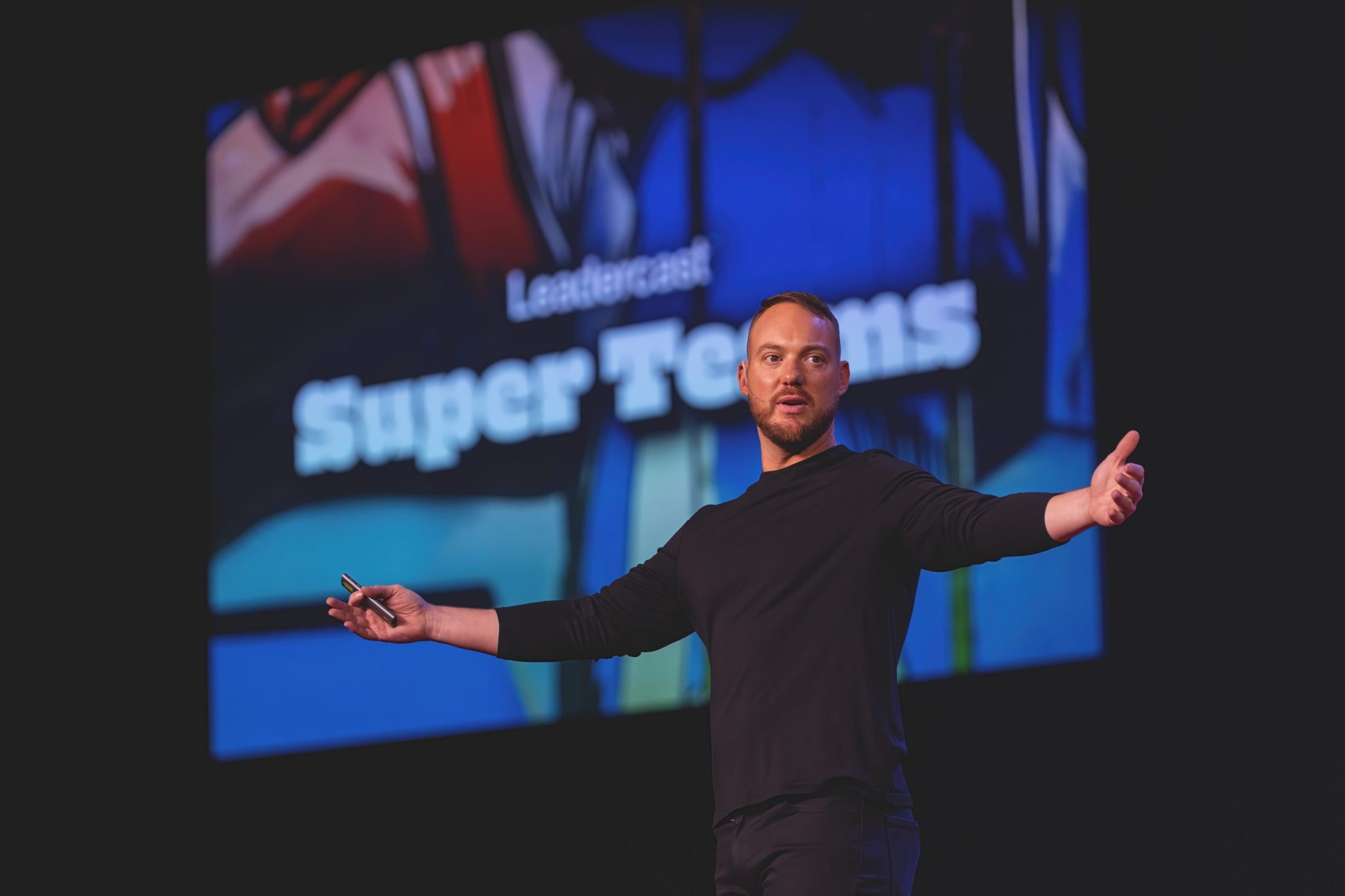
Ryan Hawk, a leadership coach and host of The Learning Leader Show, says some executives are hurting their credibility by relying on AI to do too much of their thinking. In a Fortune commentary, Hawk argued that employees can tell when leaders use polished AI-generated language without showing their own understanding.
Hawk said his view comes from 12 years of interviewing more than 700 leaders and high performers for his management podcast. He wrote that tools such as Claude, Gemini and ChatGPT can produce quick answers, but leaders still have to turn information into meaning for employees, investors and the public.
According to Hawk, that ability matters because trust depends on more than having the right words. He said teams want leaders who understand the product, the market and the work well enough to speak honestly about day-to-day problems.
Hawk said he begins coaching engagements by asking leaders about their writing habits. He wrote that writing helps managers turn vague or complicated thoughts into clear explanations, which he described as part of the work leaders cannot hand off.
To illustrate the difference between memorized language and real command of a subject, Hawk cited Charlie Munger’s often-told story about physicist Max Planck and his chauffeur. In the story, Planck’s driver memorizes a lecture and delivers it, but a difficult audience question exposes the gap between reciting material and understanding it.
Hawk used that story to distinguish what Munger called real knowledge from “chauffeur knowledge.” His argument is that leaders who depend on AI-generated scripts may sound fluent while lacking the grasp needed to answer hard questions or defend a decision.
Hawk also described a CEO he knows who began using AI to draft speeches and companywide emails. He said employees noticed the messages no longer sounded like the executive, began ignoring the emails and paid less attention during virtual town halls.
In Hawk’s account, that reaction spread beyond annoyance with the writing style. He said some senior leaders lost respect for the CEO and grew less confident about the company’s direction because they believed he was avoiding the work of thinking through where the organization was headed.
Hawk also pointed to author David Sedaris, who said in a recent interview that he prefers ordinary experiences, such as going to the post office, over avoiding friction through convenience. Hawk used the example to argue that leaders lose chances to learn when they remove too much difficulty from their own work and lives.
He connected that argument to broader demand for in-person experiences, citing a Hypebot report that concert ticket prices rose four times faster than inflation over three decades. He also cited figures saying U.S. World Cup ticket prices have risen 1,000% since 1994 while household incomes grew 32%.
Hawk’s conclusion was that AI can provide useful information, but it cannot replace the human connection employees expect from leaders. He warned that perceptive employees are likely to notice first when a manager’s words no longer reflect earned judgment.
Fortune noted that the commentary reflected Hawk’s views, not necessarily the publication’s views. Hawk is the author of The Price of Becoming: The Compounding Practices of High Performance.
This story draws on original reporting from Fortune.