
AI self-regulation plan draws support and conflict concerns
Demis Hassabis’s FINRA-style proposal for AI oversight has won backers in tech and interest in Washington, while critics warn of weak enforcement.
By Sofia Marchetti · World Affairs Correspondent
3 min read
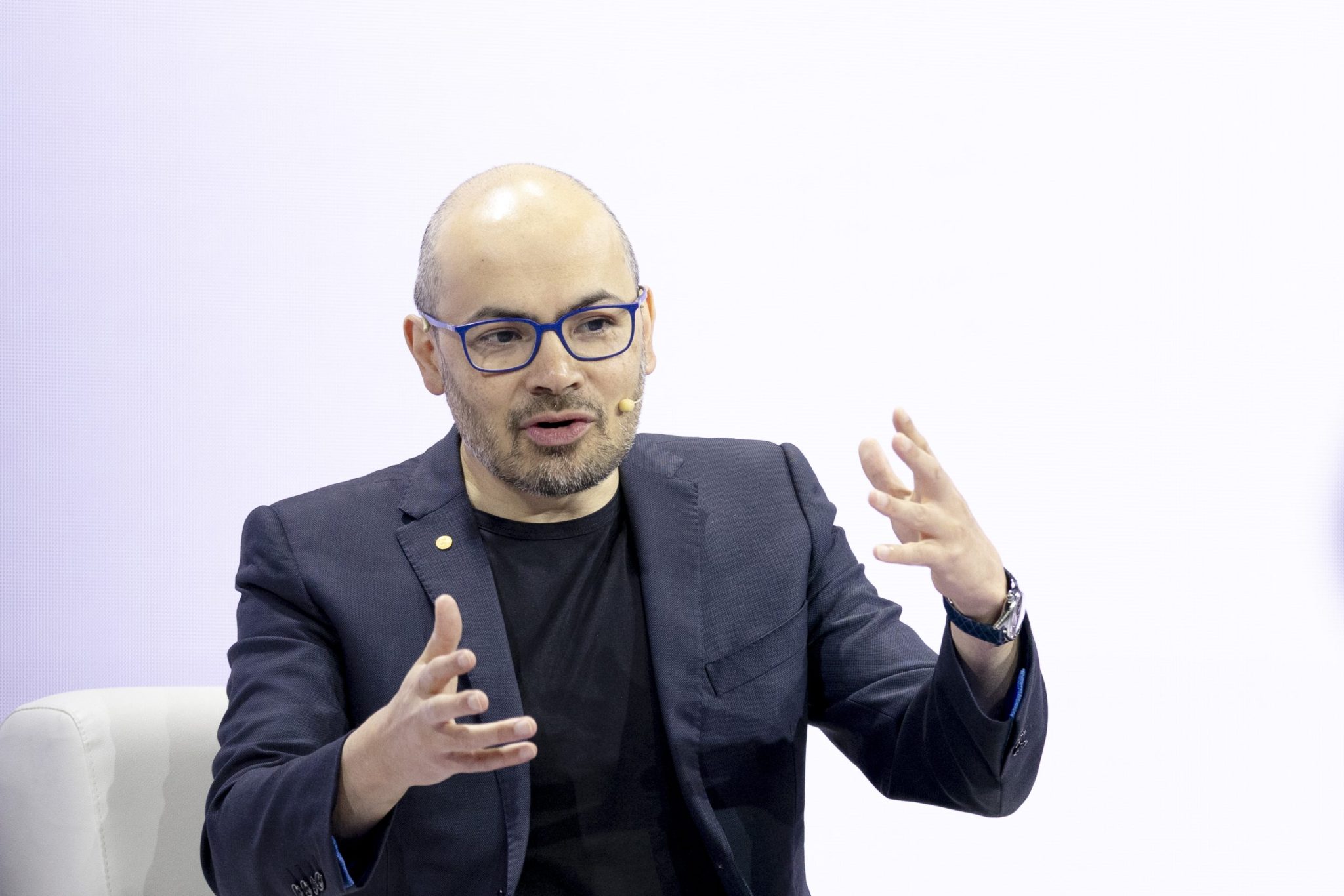
A proposal to create a U.S. self-regulatory body for advanced AI has gained support from major technology executives and has drawn interest inside the Trump administration, according to Fortune and Bloomberg. The idea matters because it could shape how frontier AI models are tested before release without creating a direct government licensing system.
Fortune reported that Demis Hassabis, co-founder and CEO of Google DeepMind, outlined the plan in an essay posted on social media. He proposed an AI oversight organization modeled on FINRA, the U.S. body that supervises stock brokers and brokerage firms under Securities and Exchange Commission oversight.
The proposal quickly drew endorsements or favorable comments from several prominent figures, according to Fortune. Microsoft AI CEO Mustafa Suleyman backed it, as did Microsoft CEO Satya Nadella, Block CEO Jack Dorsey and Box CEO Aaron Levie. OpenAI CEO Sam Altman described the plan as thoughtful, while Elon Musk called it a useful framework for discussion, Fortune reported.
Bloomberg reported that the Trump administration is considering a similar standards body. Citing unnamed people familiar with the discussions, Bloomberg said Treasury Secretary Scott Bessent helped develop the proposal and that White House Chief of Staff Susie Wiles was reviewing it. Bloomberg also reported that the body would sit under SEC oversight, as FINRA does.
How the plan would work
Under Hassabis’s proposal, leading AI labs would fund the organization, Fortune reported. Its board would include independent technical experts, representatives from the open-source AI community and likely AI company representatives.
Hassabis said the body would create tests for frontier AI systems, including benchmarks to decide which models qualify for that category, according to Fortune. It would also run independent safety and security evaluations, working with U.S. agencies and government laboratories on national security issues.
AI companies would be encouraged to publish model system cards, use strong cybersecurity practices and support safety and security research, Fortune reported. Hassabis also proposed that companies voluntarily submit frontier models for testing at least 30 days before release, with the option of making the system mandatory for models distributed in the United States after the evaluation process proved itself.
Critics point to FINRA’s record
The FINRA model has drawn criticism because industry-funded regulators can face real or perceived conflicts, Fortune reported. Sen. Elizabeth Warren has criticized FINRA for being too close to the brokerage firms that fund it, according to Bloomberg reporting cited by Fortune.
Fortune also cited whistleblower allegations that FINRA has done too little against problem brokers at major financial firms, along with comments from former FINRA enforcement chief Brad Bennett that some large brokerages may treat fines as cheaper than full compliance. SLCG Economic Consulting found that FINRA did not use a new “restricted” label against any firm in the first year it had that authority, despite SLCG identifying at least 13 firms it said appeared to meet the criteria.
Some AI analysts raised similar concerns about Hassabis’s plan. Gartner analyst Nader Henein told CIO that self-regulation is not viable and would create conflicts of interest. Independent analyst Carmi Levy called the proposal self-serving, according to Fortune.
Yoshua Bengio, scientific director of the nonprofit AI safety group LawZero, criticized the voluntary structure, Fortune reported. Bengio said there should be a clear path from a voluntary system to a mandatory one and called for independent audits of company compliance.
Fortune noted that a U.S. distribution requirement could affect foreign AI vendors that want American users, but it would not necessarily cover models built abroad for military or government use. That gap remains a central challenge for any domestic AI standards body.
This story draws on original reporting from Fortune.