
AI rally faces bubble warnings as chip selloff rattles markets
Capital Economics and JPMorgan warned that concentrated AI gains and heavy fundraising are raising risks even as forecasts still point higher for 2026.
By Hana Yoshida · Markets Reporter
3 min read
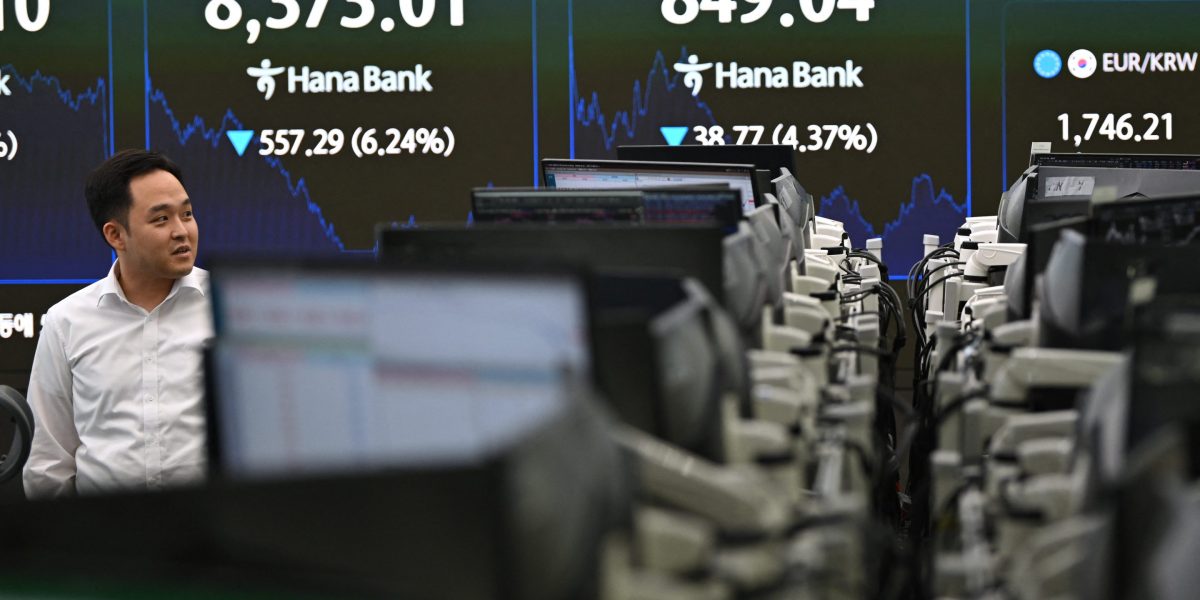
Market strategists are warning that the AI-driven stock rally is showing signs of strain after sharp swings in semiconductor shares spread through global indexes. The concern matters because chips have become a central driver of equity gains, leaving broader markets exposed when a key AI supplier stumbles.
Fortune reported that the Nasdaq was headed for its worst weekly decline in more than a year, while the S&P 500 was on pace for a fifth straight daily loss. SpaceX shares also fell after what Fortune described as the largest IPO on record, and bonds the company sold days earlier were already trading lower.
The setback followed a brief period in which markets appeared set for more gains after the U.S. and Iran ended hostilities, with oil prices and bond yields falling, according to Fortune. South Korea’s Kospi, led by AI-linked companies including SK Hynix and Samsung, had reached a record last week before dropping 10%.
Fortune reported that the Kospi suffered its fifth-worst daily drop on Tuesday after SK Hynix said it planned to slow its AI memory business. Capital Economics said the scale of the move was troubling because similar selloffs had appeared in past bear markets, including the Asian financial crisis, the dot-com bust and the Great Financial Crisis.
James Reilly, senior markets economist at Capital Economics, said the volatility showed “excessive froth” and raised doubts about whether the rally could last. He said the global reaction to news from one Korean company showed how important semiconductor stocks have become to markets.
Reilly also said chip stocks “have been the only game in town,” with gains that have outpaced other AI-related shares. If semiconductor companies begin to falter, he said, the broader stock market would face serious trouble.
Micron’s earnings and outlook on Wednesday briefly eased worries about the AI trade, according to Fortune. But the relief faded after Apple’s price increases tied to chip shortages and a New York Times report that OpenAI may delay its IPO until 2027 added pressure to stocks, alongside expectations that the Federal Reserve could raise rates soon.
Capital Economics said Thursday that the AI rally may be nearing its final stage and warned that an equity bubble was close to breaking. The firm said the rally differs from the dot-com era because AI companies have reported stronger earnings, but it warned that investors’ expectations for future profit growth are becoming too high.
The firm still expects a final surge before a downturn. Capital Economics forecast the S&P 500 would finish 2026 at 8,250, about 12% above Friday’s levels, before falling 21% to 6,500 by the end of 2027.
Other analysts pointed to the rush for capital as another warning sign. Fortune reported that Alphabet raised nearly $85 billion from a secondary stock offering earlier this month, Nvidia raised $25 billion in its first debt sale since the AI boom began, and SpaceX followed its $85.7 billion IPO with a $25 billion bond sale.
Ludovic Subran, chief investment officer at Allianz, described SpaceX’s fundraising at an industry conference as a move from “a healthy boom” into “bubble territory,” according to the Financial Times. He said equity investors may accept lofty ambitions, but bond investors still expect interest payments.
JPMorgan kept a more positive view this week but also warned of a possible flash crash. Its analysts raised their year-end S&P 500 target to 7,800 from 7,600, citing strong earnings estimates, while warning that crowded trades in speculative growth stocks, rising equity supply and tighter monetary policy could make the climb uneven.
This story draws on original reporting from Fortune.