
TPS ruling puts Haitians and Syrians at risk of deportation
Advocates say the Supreme Court decision could affect hundreds of thousands of immigrants, employers and future challenges to TPS terminations.
By Daniel Okafor · Business Editor
3 min read
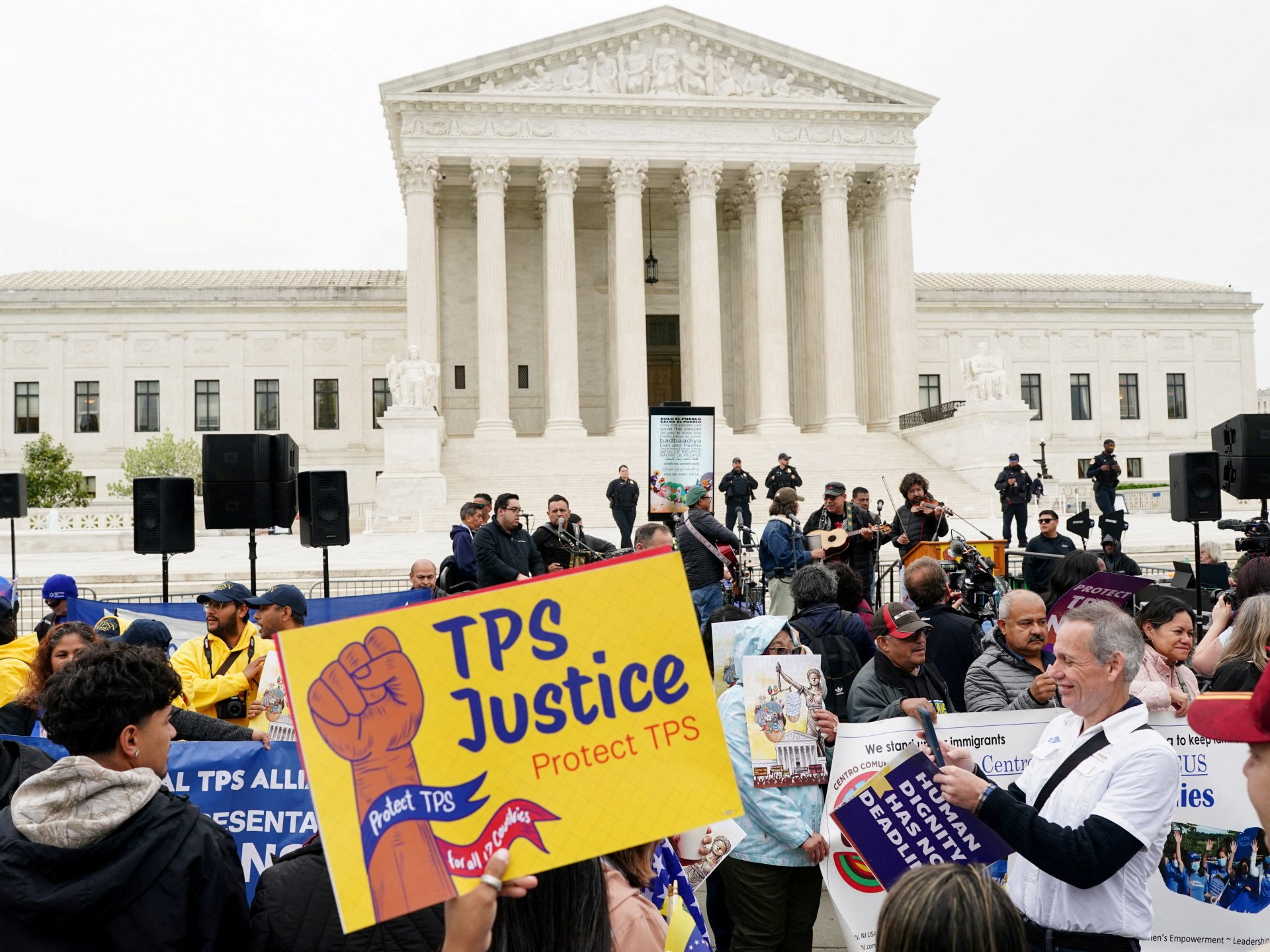
The US Supreme Court has cleared the Trump administration to end Temporary Protected Status for Haitians and Syrians, a decision advocates say could expose hundreds of thousands of people to deportation. The 6-3 ruling also narrows a legal route used to challenge how the Department of Homeland Security ends TPS designations, according to immigration advocates cited by Al Jazeera.
Temporary Protected Status was created by Congress in the Immigration Act of 1990. Under the programme, the executive branch can allow nationals of designated countries to live and work in the United States when armed conflict, natural disasters or other temporary crises make return unsafe, according to Al Jazeera.
Haiti received TPS after the 2010 earthquake that killed more than 250,000 people, and the designation has been renewed during later political, security and humanitarian crises, Al Jazeera reported. Syria has had TPS since 2012, after the start of a civil war that lasted almost 14 years.
About 350,000 Haitians and about 6,000 Syrians are believed to hold the status, according to Al Jazeera. Immigration advocates said the ruling means many will have to seek another legal basis to remain in the US or face removal under the Trump administration’s deportation policy.
Advocates warn of family and workplace fallout
Nihad Awad, national executive director of the Council on American-Islamic Relations, said ending protections for Haitians and Syrians would split families, disrupt communities and put vulnerable people in danger. He said many TPS holders have lived in the US for years, raised US-born children, run businesses and contributed to local economies.
Hector Sanchez Barba, president of Mi Familia Vota, said the decision gives the Trump administration a broader way to strip legal protections and work permits from immigrants. He described the move as part of a campaign tied to Trump and White House adviser Stephen Miller to speed detentions and deportations.
Labour groups also warned that employers could feel the effect quickly. Neidi Dominguez, executive director of Organized Power in Numbers, said TPS holders work across hospitality, food service, education, construction and health care, according to Al Jazeera.
The Migration Policy Institute found that Haitian immigrants held more than 103,000 health care jobs in 2021, Al Jazeera reported. National Nurses United said the ruling would leave more immigrants, including nurses, health care workers, teachers and airport workers, vulnerable to deportation and would worsen staffing pressures in health care.
Legal impact may reach other countries
Lower courts had found that the Trump administration failed to follow required steps before ending TPS for Haiti and Syria, including an inter-agency review of whether conditions in those countries had improved, according to Al Jazeera.
Aaron Reichlin-Melnick, a senior fellow at the American Immigration Council, said the Supreme Court majority did not decide whether the DHS secretary followed those procedures. He said the court instead held that courts cannot hear those challenges, which could shield future TPS grants or terminations from judicial review.
Reichlin-Melnick said the administration could use the ruling to return to federal court in cases involving TPS terminations for other countries, including Venezuela, Somalia and Ethiopia. Angelica Sedgwick Oun, a US immigration researcher at Human Rights Watch, said the decision leaves the DHS secretary with broad power to decide whether people can be sent back to countries facing violence or conflict without meaningful human rights consultation.
With the Supreme Court as the country’s highest appellate court, advocates have turned attention to Congress. The US House of Representatives passed a bill in April to extend TPS for Haitians until 2029, but the Senate has not taken up the measure, according to Al Jazeera. Other groups are urging Congress to create a court-review process for TPS terminations.
This story draws on original reporting from Al Jazeera.