
AI pushes marketing chiefs closer to the CEO track
Generative AI is widening the CMO role as companies put more weight on customer data, analytics and AI-driven discovery.
By Daniel Okafor · Business Editor
3 min read
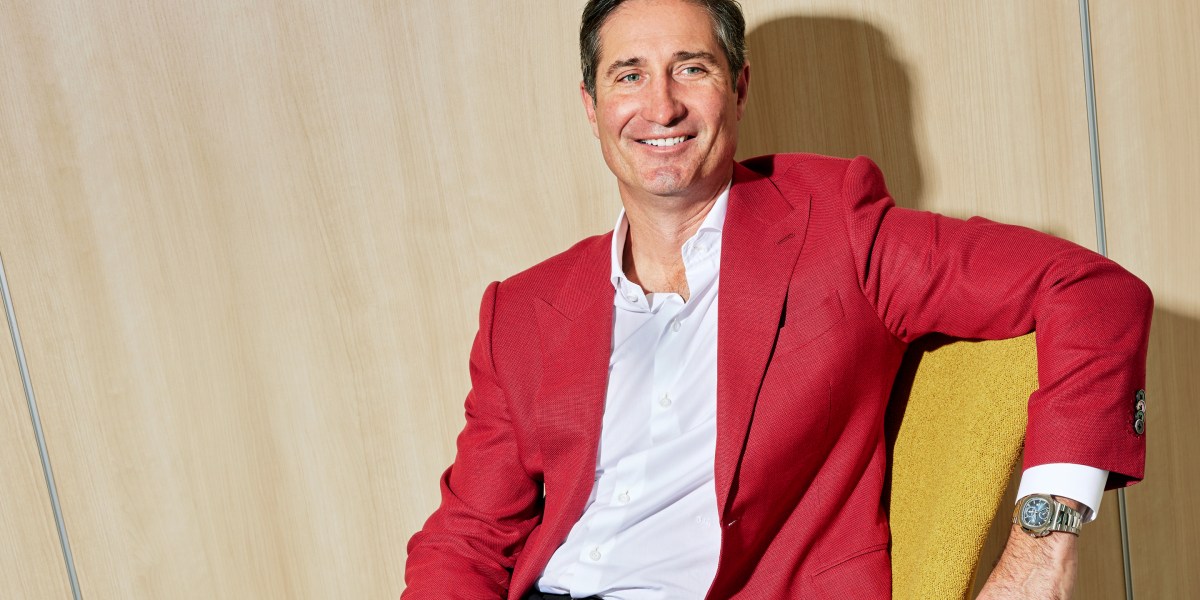
Generative AI is expanding the job of chief marketing officers from brand campaigns into data, technology and growth strategy, according to Fortune and Boston Consulting Group. The shift matters because it may give marketing chiefs a stronger claim on CEO succession as customer discovery and buying behavior move into AI-powered systems.
Fortune reported from the Cannes Lions International Festival of Creativity that CMOs are being asked to manage more than traditional brand building. As AI changes how consumers find, compare and buy products, Fortune said marketing leaders are taking on wider responsibility for growth, data and AI strategy.
That broader role is also changing how boards and companies view marketing executives, Fortune reported. The publication said the classic image of the CMO as a brand storyteller has not usually made the role an obvious route to the chief executive’s office, but the job’s expanding remit is adding marketing leaders to the list of possible CEO candidates.
Executive search firm Spencer Stuart found that only about 10% of departing Fortune 500 CMOs move straight into CEO jobs, according to Fortune. Spencer Stuart also found that about 37% of sitting Fortune 500 CEOs have held marketing-related experience at some point in their careers.
BCG’s latest survey, cited by Fortune, found that 90% of CMOs said generative AI is already changing how consumers discover and assess brands. Fortune said that makes placement inside AI recommendation and discovery tools a new area of competition for companies.
The effects reach beyond advertising, according to Fortune’s account of the BCG findings. AI is influencing consumer insights, analytics, media planning, content production, performance measurement and governance, while about 80% of CMOs told BCG they are making significant investments in AI training for their teams.
Jessica Apotheker, BCG’s global CMO, told Fortune that the strongest marketing chiefs now combine creativity, analytical skill and the ability to align marketing with business goals. She described those capabilities as art, science and orchestration, with science covering analytics, measurement, customer data and AI.
“Brand building is absolutely core to what we do,” Apotheker told Fortune. “But we need to expand the function from there.”
Apotheker told Fortune that many marketing teams remain too weighted toward the creative side of the function. She said companies moving fastest on the shift tend to already have stronger analytics, data and measurement systems in place.
Fortune said Apotheker also pushed back on the idea that strategy and creativity are enough for marketing leadership. In her view, execution is increasingly decisive, including how teams use data, reach audiences, improve campaigns and turn customer insights into action.
Fortune pointed to several CEOs whose careers included major marketing roles. Brian Cornell, who led Target for more than a decade, previously served as Safeway’s CMO. Mary Dillon, a former CEO of Ulta Beauty and Foot Locker, was global CMO of McDonald’s.
Brian Niccol, now CEO of Starbucks, was chief marketing and innovation officer at Taco Bell before becoming CEO of Taco Bell, Chipotle and later Starbucks, according to Fortune. Andrea Jung moved through global marketing roles at Avon before becoming its CEO, Fortune reported.
Fortune said those examples show why customer understanding has become a valuable form of executive experience. As AI becomes more central to consumer decisions, the CMO role is moving closer to the operating core of large companies.
This story draws on original reporting from Fortune.