
Target chair Cornell re-elected as investor backing drops
Brian Cornell kept his board seat, but CNBC reported that shareholder support fell to the lowest level since he joined Target.
By Daniel Okafor · Business Editor
4 min read
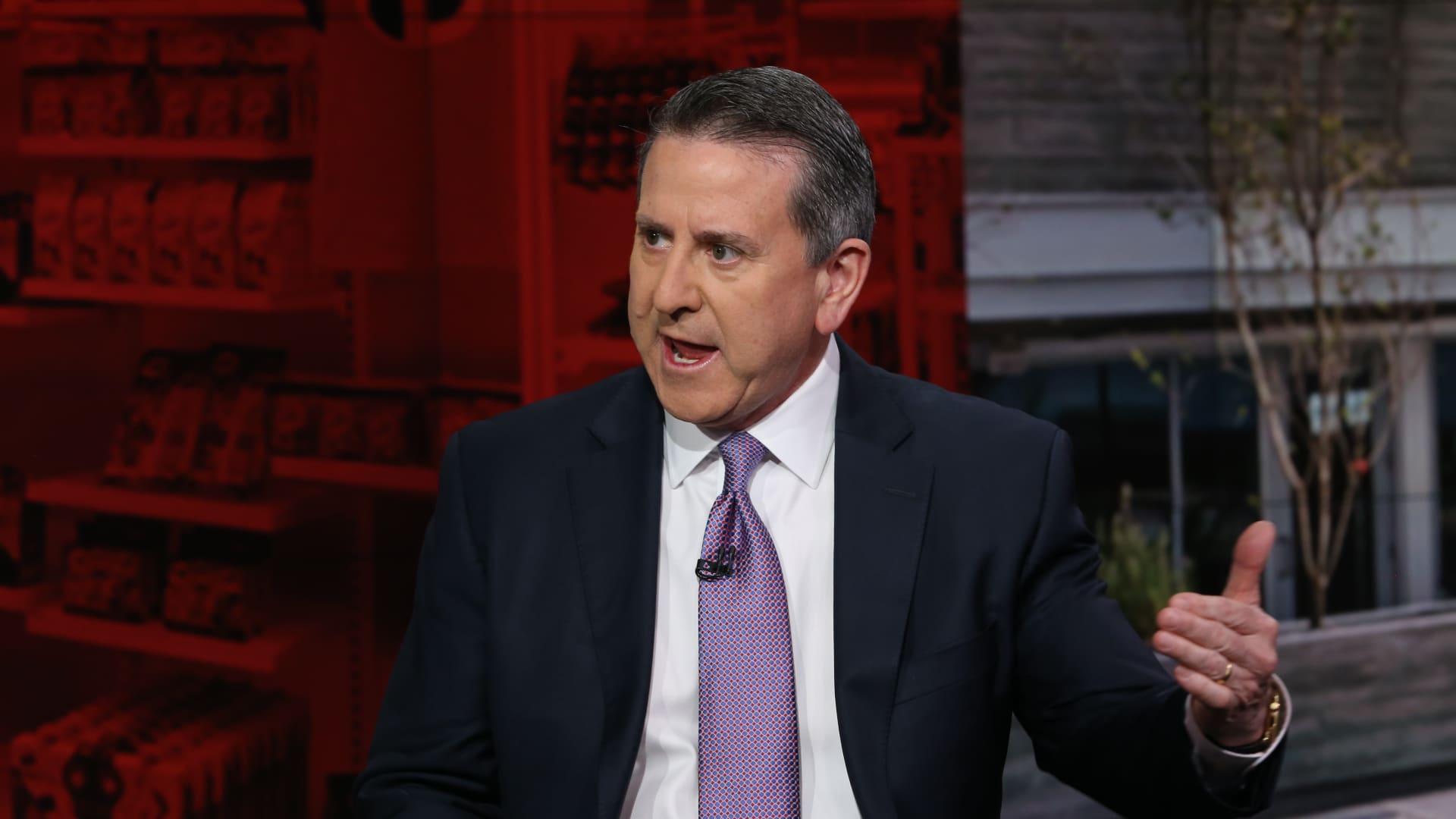
Target shareholders re-elected Brian Cornell to the retailer’s board, but support for the former chief executive fell to its weakest level since he arrived at the company, CNBC reported. The vote adds pressure on Target’s board as the chain tries to revive sales under new CEO Michael Fiddelke while Cornell remains executive chair.
Cornell received 87.2% support at Target’s annual meeting this month, according to CNBC, down from about 95% on average in prior years and 4 percentage points lower than last year. Harvard Law has put average director support across the S&P 500 this year at 96.6%.
Kevin Kaiser, an adjunct finance professor at the University of Pennsylvania’s Wharton School who teaches shareholder activism, told CNBC that a director vote below 90% is viewed as a poor outcome because many investors routinely follow board or proxy adviser recommendations.
Pressure after sales and stock declines
Cornell, 67, stepped down as CEO in February and became executive chair as Target dealt with weaker profits, a lower stock price and three consecutive years of annual sales declines, CNBC reported. Target’s shares are up about 33% this year but remain about 50% below their 2021 peak, according to CNBC.
CNBC reported that Cornell’s tenure began in 2014 and included a period of growth in which Target expanded digital operations, increased stores and passed $100 billion in annual sales. More recently, analysts and investors have faulted the company for inventory problems, underinvestment in stores and weaker performance in categories that once helped define the brand.
Neil Saunders, managing director at GlobalData, told CNBC that some investors and analysts saw Cornell’s move to executive chair as an improper promotion after a period of weak results. Saunders said critics wanted a clearer break from the leadership group that oversaw Target’s recent problems.
Target also has faced backlash over its handling of social issues, CNBC reported. The company reduced some Pride merchandise in stores several summers ago and later pulled back diversity, equity and inclusion programs, moves that preceded boycotts and weeks of lower foot traffic, according to CNBC.
Target points to leadership transition
A Target spokesperson declined to comment to CNBC and directed the outlet to the company’s 2026 proxy statement and its annual meeting vote release. In the proxy, Target said separating the chair and CEO jobs fits its current strategic and operating needs.
Target said in the proxy that Fiddelke can focus on running the business and carrying out key initiatives while Cornell gives the board his knowledge of the company and retail sector during the transition. Fiddelke, a longtime Target executive, received 99% shareholder support at the meeting, CNBC reported.
CNBC reported that Wall Street had preferred an outside CEO candidate, citing a June survey of 51 investors by Mizuho Securities. Shares fell when Target named two insiders to the top roles and forecast another annual sales decline, according to CNBC.
Some analysts have since become more positive on Fiddelke, CNBC reported. Michael Baker, a senior research analyst at D.A. Davidson, told CNBC that Target’s merchandising appears to be improving.
Target said comparable sales rose 5.6% in its fiscal first quarter ended May 2, CNBC reported. The gain was the company’s first positive same-store sales result in five quarters, though finance chief James Lee said higher tax refunds helped consumer spending and that benefit is expected to fade, according to CNBC.
Pension funds vote no
CNBC reported that full investor voting records have not yet been released, so the complete list of shareholders opposing Cornell is not known. Two large public pension fund managers voted against him.
The Florida State Board of Administration, which manages the Florida Retirement System Pension Plan, opposed Cornell after backing him for nine years, CNBC reported, citing proxy records. Those records said the vote reflected concern about weak long-term company performance.
New York State Comptroller Thomas DiNapoli, who oversees the New York State Common Retirement Fund, told CNBC that Cornell and other Target leaders should not be rewarded after poor results. State records cited by CNBC show the fund backed Cornell from 2017 through 2024 but voted against him at the last two meetings.
CNBC reported that SOC Investment Group, Trillium Asset Management and Mercy Investment Services also urged investors to oppose Cornell. Those groups also opposed lead independent director Christine Leahy, whose support fell to 88.5%, down 8 percentage points from last year, according to CNBC.
Target called Leahy a strong director in its proxy statement and said its governance structure supports independence, CNBC reported. Kaiser told CNBC that votes of this size can create pressure for board changes before the next annual meeting.
This story draws on original reporting from CNBC.