
Zimbabwe climate migrants face eviction threat in Eastern Highlands
Families who fled drought for Zimbabwe’s fertile Eastern Highlands fear removal as officials step up action against illegal land settlements.
By Sofia Marchetti · World Affairs Correspondent
3 min read
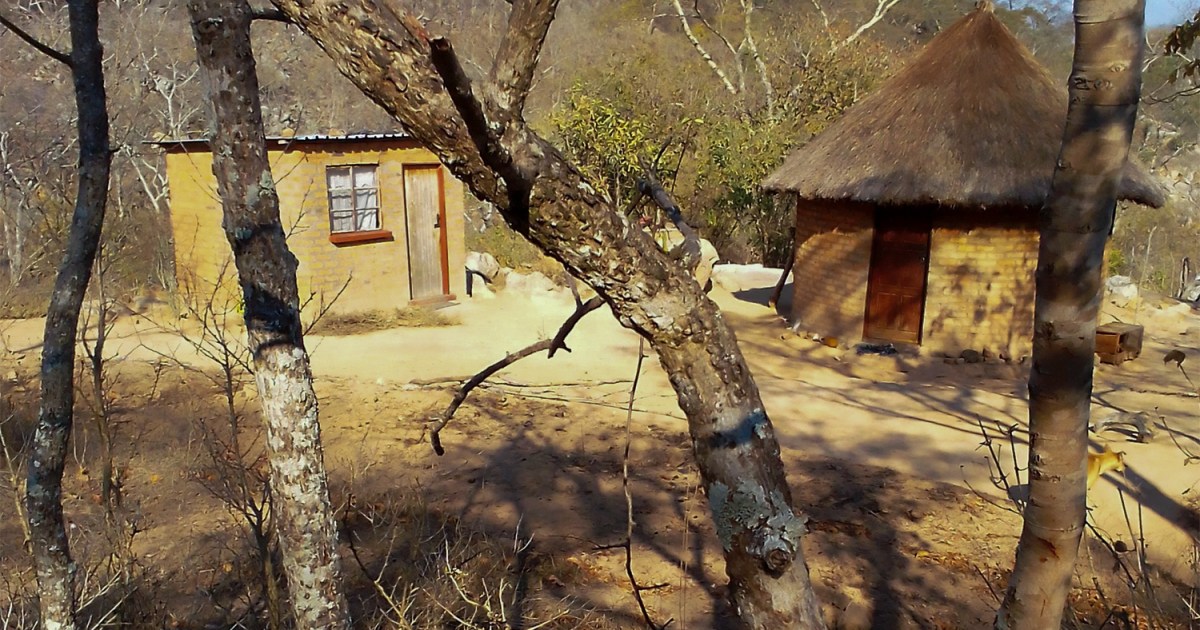
Zimbabwean families who moved from drought-hit areas to the wetter Eastern Highlands are facing renewed uncertainty as authorities intensify enforcement against illegal settlements. The crackdown matters because many of those at risk say they relocated to grow food after rainfall failures made farming untenable at home, Al Jazeera reported.
The Eastern Highlands, running about 320km along the Zimbabwe-Mozambique border from Nyanga to Chipinge, is one of the country’s most productive farming regions, according to Al Jazeera. Its rainfall, soils and perennial rivers have drawn thousands of people from drier lowland areas where repeated drought has undermined rain-fed agriculture.
Officials describe many of the newcomers as illegal settlers. Some residents say they had little choice but to move after climate pressures reduced their ability to survive in their home districts.
Farmers seek security after drought
Lloyd Gweshengwe, 43, told Al Jazeera he has lived in the Eastern Highlands for 18 years after leaving Village C in Gutaurare, a dry area of Mutare district. He said this season’s maize harvest could feed his family for the year and leave some grain to sell.
“I came here 18 years ago and have been living here ever since. We don’t have anywhere else to go,” Gweshengwe told Al Jazeera. He said residents in his area had not yet seen demolitions, but were following reports of removals elsewhere and wanted the state to legalise their settlements.
Another resident, Simon Chanakira, 44, also moved to the Eastern Highlands from Chitora, which Al Jazeera described as drought-prone. His case reflects a wider pattern of rural households seeking cultivable land in areas less exposed to dry spells.
Officials target illegal allocations
At a stakeholder meeting in Mutare last month, Misheck Mugadza, Zimbabwe’s minister of state for Manicaland Provincial Affairs and Devolution, said he had ordered police and prosecutors to increase arrests and prosecutions tied to unlawful land allocations, Al Jazeera reported.
Mugadza said traditional leaders, intermediaries and government officials implicated in illegal land deals would be targeted. He also called on the Environmental Management Agency to enforce environmental impact assessment rules and other protections in sensitive areas.
“There is zero tolerance for corruption,” Mugadza told the meeting, according to Al Jazeera. “Wetlands, riverbanks and forests are not for sale.”
The government says the operation is meant to restore order to land administration, combat corruption and prevent damage caused by unplanned settlement, Al Jazeera reported.
No dedicated climate migration policy
Independent researcher Trymore Maganga told Al Jazeera that informal settlement in the Eastern Highlands has become a survival strategy for households affected by climate change, though he said it does not resolve deeper land problems. He said such settlements can leave migrants legally exposed, heighten environmental and hazard risks, and create tensions with other communities.
Human rights lawyer Blessing Nyamaropa told Al Jazeera that Zimbabwe has no specific policy framework for climate-induced migration. Under current rules, he said, people who occupy land without proper procedures are treated as illegal occupiers.
Nyamaropa said some families obtain land through traditional leaders after making payments, but those leaders lack legal authority to allocate it. He added that some migrants have settled on commercial farms without approval from the Ministry of Lands.
“It is illegal to occupy state land without a permit, lease or offer letter,” Nyamaropa told Al Jazeera. He said authorities have used the law to arrest people and remove them from such land.
Nyamaropa said enforcement alone would not solve the problem and called for broader recognition of climate-related displacement. He said affected families should be guided toward legal settlement through the proper government departments.
For families such as Gweshengwe’s, the immediate concern is whether they will be allowed to remain on land that has restored a measure of food security. “We don’t have anywhere else to go,” he told Al Jazeera.
This story draws on original reporting from Al Jazeera.