
Yemenis fear renewed war after Houthi blockade threat on Saudi shipping
The Houthis say they are targeting Saudi shipping, raising fears in Yemen of fuel shortages, higher prices and a wider regional conflict.
By James Whitfield · Staff Writer
4 min read
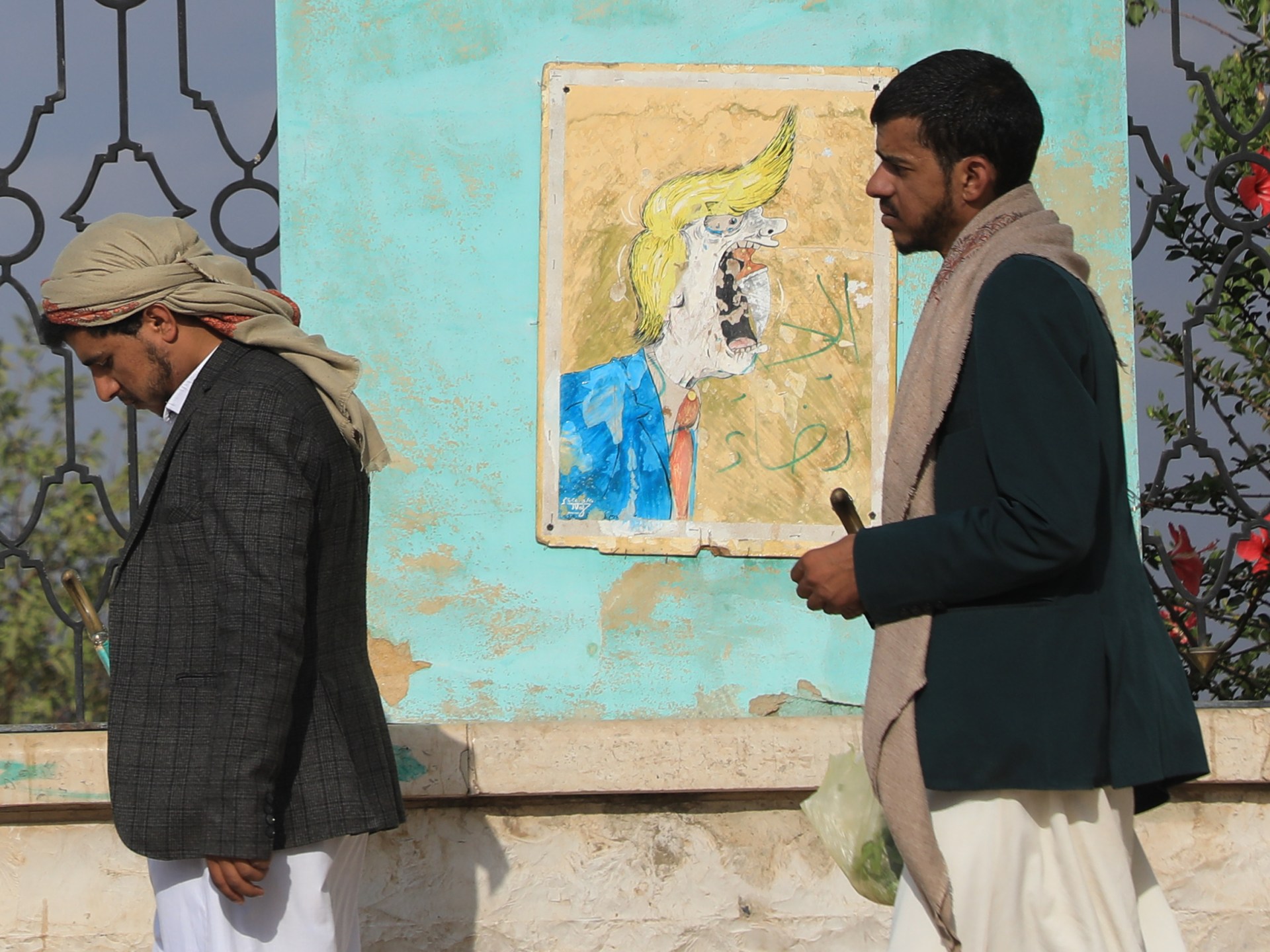
Yemenis are bracing for a possible return to wider war after the Houthi movement announced a naval blockade on Saudi Arabia and later said it had attacked two Saudi ships, according to Al Jazeera. The move matters because many civilians in Houthi-held areas fear it could end a four-year stretch of relative calm in a war that has already left much of the country dependent on aid.
Al Jazeera reported that Houthi military spokesman Yahya Saree announced the blockade on Monday. The Houthis said Wednesday that attacks on two Saudi vessels showed they intended to enforce a maritime embargo, and the group accused Saudi Arabia of maintaining restrictions on rebel-held parts of Yemen.
Residents interviewed by Al Jazeera described a split between fear, support and anger. Ammar Saleh, a 32-year-old teacher in Sanaa, told the network that Houthi-controlled areas could again face fighting, fuel scarcity and a worsening humanitarian crisis if Saudi Arabia responds militarily.
Civilians fear prices and shortages
Abdulla Yahya, a 25-year-old construction worker in Sanaa, told Al Jazeera that civilians tend to disappear from view once fighting escalates. He said a renewed Houthi-Saudi confrontation would make daily survival harder by pushing up prices, disrupting fuel supplies and reducing work.
Yahya, who has three children, said he wanted to stock up on cooking gas and basic foods such as flour, rice and oil but could not afford the roughly 55,000 Yemeni riyals, or $230, he estimated it would cost. Aid agencies have warned that Yemen’s hunger crisis is worsening, Al Jazeera reported.
The United Nations estimates that nearly 20 million people in Yemen require humanitarian assistance. Al Jazeera reported that the absence of a political settlement has continued to complicate relief efforts and the broader conflict.
Supporters call the move overdue
Houthi supporters in Sanaa welcomed the blockade announcement, according to Al Jazeera. Mohammed Ali, a 26-year-old supporter in the capital, told the network he viewed the move as a response to Saudi pressure on Yemen’s ports and airspace.
Ali said he was not worried about a new war with Riyadh, arguing that the Houthis had already faced the United States, Israel and the Saudi-led coalition. Al Jazeera reported that Houthi supporters see the blockade as a challenge to Saudi influence in Yemen.
A full closure of the Bab al-Mandeb Strait, the southern entrance to the Red Sea, could disrupt Saudi oil exports to Asia, Al Jazeera reported. The risk comes as passage through the Strait of Hormuz remains difficult because of the U.S. war on Iran, according to the network.
The Saudi-led coalition said Tuesday that it would respond firmly to Houthi threats against commercial vessels, according to Al Jazeera. The coalition described the threats as violations of international law and acts of maritime piracy.
Opponents point to Iran
Yemenis opposed to the Houthis told Al Jazeera they see the blockade as tied to Iran rather than Yemeni sovereignty. Mohammed Karim, a 30-year-old resident of Hodeidah, said the timing showed the Houthis were acting in line with Iranian interests.
Reuters reported last week that Iran had asked the Houthis to be ready to close Bab al-Mandeb if the United States struck Iranian power infrastructure. Al Jazeera reported that the United States is carrying out nightly attacks on Iran after a June memorandum of understanding between Washington and Tehran broke down.
Al Jazeera also reported that Yemen’s defence minister, Taher al-Aqili, said Monday that the internationally recognised government’s patience had run out, signalling readiness to confront the Houthis. The Yemeni government has been trying to bring anti-Houthi armed forces together after defeating the separatist Southern Transitional Council with Saudi support, according to the network.
Political analyst Saddam Al Huraibi told Al Jazeera that Iran was using the Houthis rather than confronting Saudi Arabia directly. He said a broader war could bring heavy Houthi losses, while civilians such as Saleh warned that another round of fighting would be hard to stop once it began.
This story draws on original reporting from Al Jazeera.