
Yemen truce strains after Iranian flight dispute and Houthi Saudi attack
A dispute over an Iranian aircraft and a Houthi-claimed strike on Abha airport have raised fears Yemen could be pulled into wider regional tensions.
By Sofia Marchetti · World Affairs Correspondent
3 min read
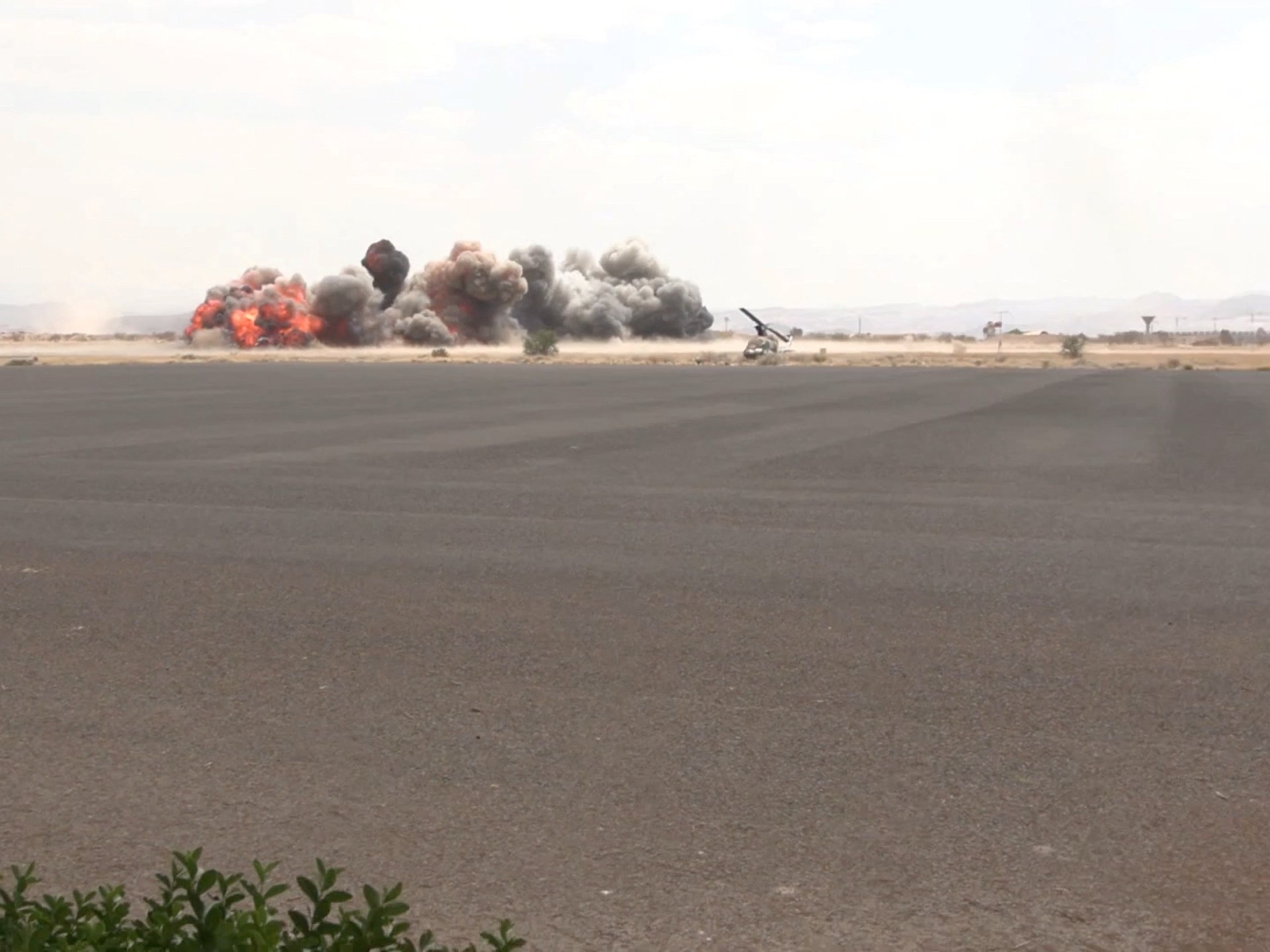
Yemen’s fragile calm is under strain after a dispute over an Iranian aircraft trying to reach Sanaa and a Houthi-claimed attack on Saudi Arabia. Al Jazeera’s Yemen affairs editor Ahmed al-Shalafi said the incidents have sharpened concerns that Yemen could be drawn into the wider confrontation involving Iran, the United States and regional powers.
According to al-Shalafi, the crisis began when an Iranian aircraft entered Yemeni airspace and attempted to land in Sanaa, which is controlled by the Houthis. The runway at Sanaa airport was targeted to stop the landing, and the aircraft later landed in Hodeidah, he said.
The internationally recognised Yemeni government and Saudi Arabia viewed the flight as a challenge to sovereignty and as a possible attempt by Iran to create a direct route into Houthi-held territory, al-Shalafi wrote. The Houthis and Iran framed the flight as an effort to break restrictions on Sanaa, according to his account.
The Houthis then said they targeted Abha airport in Saudi Arabia in response to the strike on Sanaa airport. Al-Shalafi described it as the first Houthi-claimed attack on Saudi Arabia since an informal truce began in March 2022.
Saudi Arabia has not answered with a broad military campaign, according to al-Shalafi, who said that suggests both sides are still weighing their moves despite the escalation. He assessed that calm remains the more likely short-term outcome, because Riyadh does not appear eager to return to full-scale war and the Houthis face the risk of heavier pressure if a fight with Saudi Arabia overlaps with the US-Israel war on Iran.
US links Houthi actions to regional security
The US Department of State was asked about reports that President Donald Trump had approved Saudi action against the Houthis, al-Shalafi said. Washington did not confirm those reports, but said it was monitoring them and expressed support for Saudi Arabia against what it described as Iranian aggression, including attacks by the Iran-backed Houthis.
Al-Shalafi said the State Department also tied Houthi attacks and threats to core US interests, including freedom of navigation in the Red Sea and preventing the export of terrorism. He wrote that this language does not show a war decision has been made, but it signals that Washington increasingly views the Houthis through the lens of Iran’s regional network.
Saudi Chief of the General Staff General Fayyad al-Ruwaili also met Lieutenant-General Patrick Frank, deputy commander of US Central Command, according to al-Shalafi. The official announcement referred to military cooperation and did not mention Yemen, but he said the timing gave the meeting added weight.
UN tries to contain the escalation
Al-Shalafi said military activity in Marib, al-Jawf, Harf Sufyan and other areas has become more significant because of the wider regional pressure. He wrote that there is not enough evidence of a decision to launch a major ground war, but forces are on heightened alert across several fronts.
UN Special Envoy Hans Grundberg travelled to Muscat, where he met Omani officials and Mohammed Abdul Salam, who heads the Houthi negotiating delegation, according to al-Shalafi. He said the envoy’s immediate task appears to be preventing the latest escalation from becoming another war, with talks likely focused on de-escalation, Saudi Arabia, Iranian flights and the rules around Sanaa airport.
Al-Shalafi concluded that the immediate confrontation may be delayed rather than avoided. He said any broadening of the regional conflict would make it harder to keep Yemen outside the fight.
This story draws on original reporting from Al Jazeera.