
CDC investigates cyclospora outbreak as US cases rise
The CDC has confirmed 1,645 domestic cyclospora infections since May 1 and is reviewing more than 5,100 additional reports.
By James Whitfield · Staff Writer
4 min read
US health officials are investigating a rising cyclospora outbreak that has sickened people in more than 30 states and may keep growing into August. The Centers for Disease Control and Prevention says it has confirmed 1,645 domestically acquired cases since May 1 and is reviewing more than 5,100 additional reports.
Cyclospora is a microscopic parasite that causes an intestinal illness called cyclosporiasis, according to the CDC. The illness is rarely fatal, but it can bring weeks of gastrointestinal symptoms and is usually treated with antibiotics.
The CDC says people usually become infected by eating food or drinking water contaminated with the parasite, often after human waste enters the food or water supply. The parasite generally does not pass directly from person to person because it needs days to weeks in the environment after leaving the body before it can infect someone else.
Fresh produce under review
Health officials have not identified the source of the current outbreak. The Food and Drug Administration is tracing several kinds of fresh produce through supply chains to look for where contamination may have occurred.
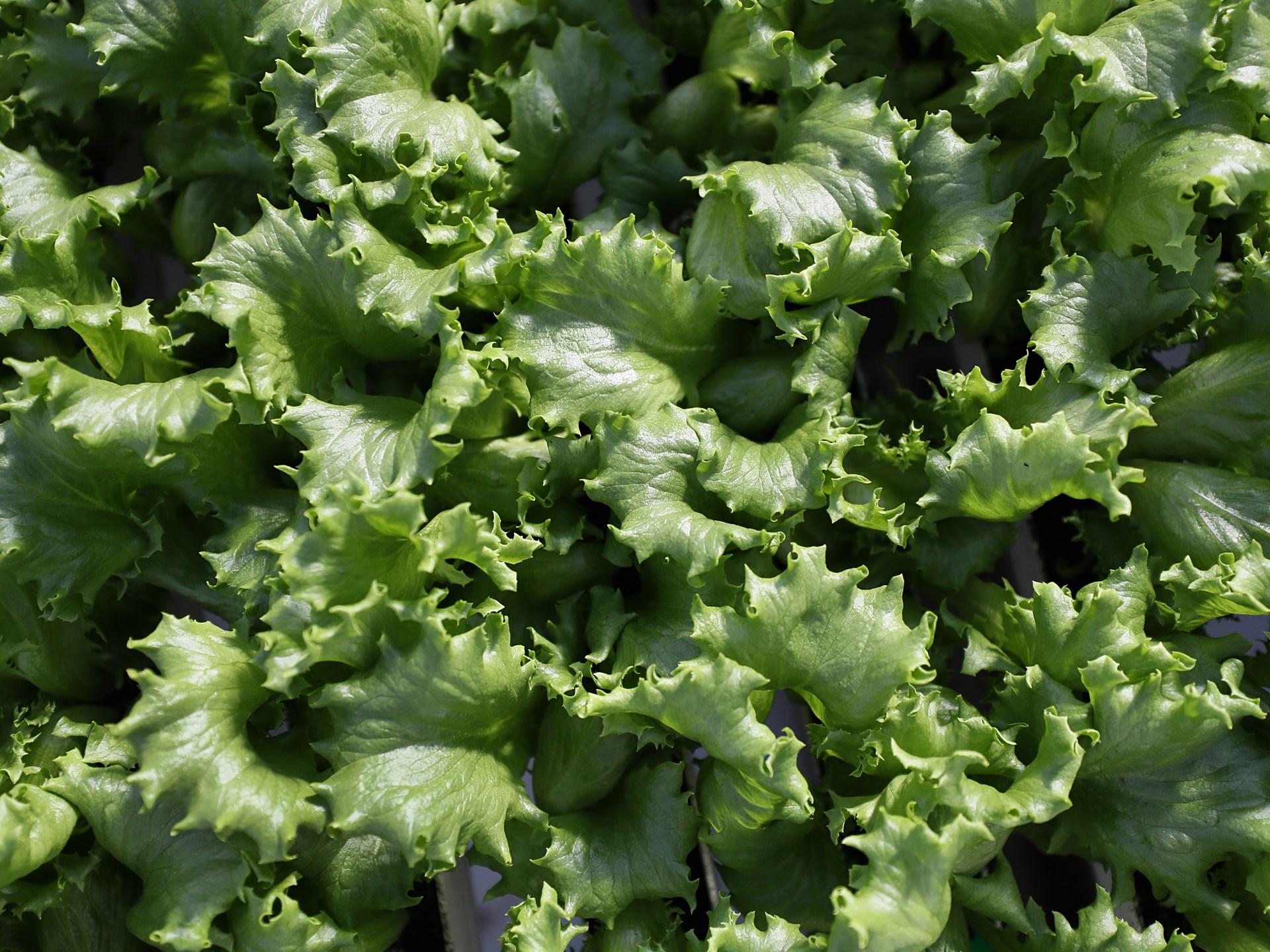
The investigation includes lettuce flagged by Michigan health officials as a possible source, though authorities have not confirmed any specific produce item, grower or supplier as the cause. The FDA is interviewing sick people about what they ate before symptoms began and tracing those foods back through distributors, suppliers and, in some cases, farms.
Past cyclospora outbreaks have often been tied to raw fruits and vegetables, according to the CDC and FDA. Foods previously linked to infections include lettuce, bagged salad mixes, cilantro, basil, raspberries, snap peas, coleslaw, vegetable trays and fresh fruit mixes.
Al Jazeera and The Associated Press reported that Taco Bell has removed lettuce, cilantro, pico de gallo and guacamole from menus at some locations as a precaution while the investigation continues.
Symptoms and treatment
The CDC says symptoms usually begin about a week after exposure, though they can appear as soon as two days or as late as two weeks after a person eats or drinks something contaminated. The most common symptom is frequent watery diarrhoea.
Other reported symptoms include loss of appetite, weight loss, stomach cramps, bloating, gas, nausea and marked tiredness, according to the CDC. Some people may have vomiting, body aches, headaches, a low-grade fever or flu-like symptoms, while some people in areas where cyclospora is common may have no symptoms.
Without treatment, the illness can last from several days to more than a month, the CDC says. Diarrhoea can improve and then return, and fatigue may continue after other symptoms fade.
Doctors diagnose cyclospora by testing stool samples for the parasite. Because the parasite may not appear in every sample, the CDC says clinicians may ask for several samples collected on different days, using microscopy or molecular tests such as PCR.
The CDC says the standard treatment is trimethoprim-sulfamethoxazole, an antibiotic sold under names including Bactrim and Septra. Treatment usually lasts seven to 10 days, though people with weakened immune systems, including people living with HIV, may need longer treatment.
Where cases are concentrated
The CDC says infections have been reported in more than 30 states this year, with the largest counts in the Midwest and Northeast. Michigan has reported the highest number, with between 501 and 900 cases, followed by New York with 161 to 300 and North Carolina with 81 to 160.
Illinois, Indiana, Kentucky, New Jersey and Texas have each reported 31 to 80 cases, according to CDC data cited by Al Jazeera and The Associated Press. Many other states have reported fewer than 30 infections.
Dianna Blau, acting chief of the CDC’s parasitic diseases branch, said there is no evidence the parasite has become more infectious, according to Al Jazeera and The Associated Press. She said thousands of cyclospora illnesses are reported in the US each year and that it remains unclear how unusual this year’s outbreak will be, though CDC national data show the current total is four times higher than at the same point last year.
Natasha Bagdasarian, Michigan’s chief medical executive, said the state’s active investigation and reporting may partly explain why Michigan appears so heavily affected, according to Al Jazeera and The Associated Press.
How to reduce risk
Health experts say washing produce may lower risk, though it does not always remove cyclospora. The CDC recommends washing hands with soap and water before and after preparing produce, rinsing fruits and vegetables under running water, scrubbing firm produce with a clean brush and refrigerating cut, peeled or cooked fruits and vegetables within two hours.
People with prolonged diarrhoea should replace fluids with water, broth or electrolyte drinks, according to CDC guidance cited in the reports. Anyone prescribed antibiotics should take the full course as directed.
This story draws on original reporting from Al Jazeera.