
Yemen’s doctor exodus leaves patients without specialist care
Years of war, low pay and unsafe working conditions have hollowed out Yemen’s health system, leaving many patients unable to find or afford treatment.
By Daniel Okafor · Business Editor
3 min read
Yemen’s loss of skilled doctors is leaving patients with serious illnesses unable to reach specialist care, Al Jazeera reported. The shortage is pushing poor families toward untreated disease, failed procedures and medical costs far beyond their means.
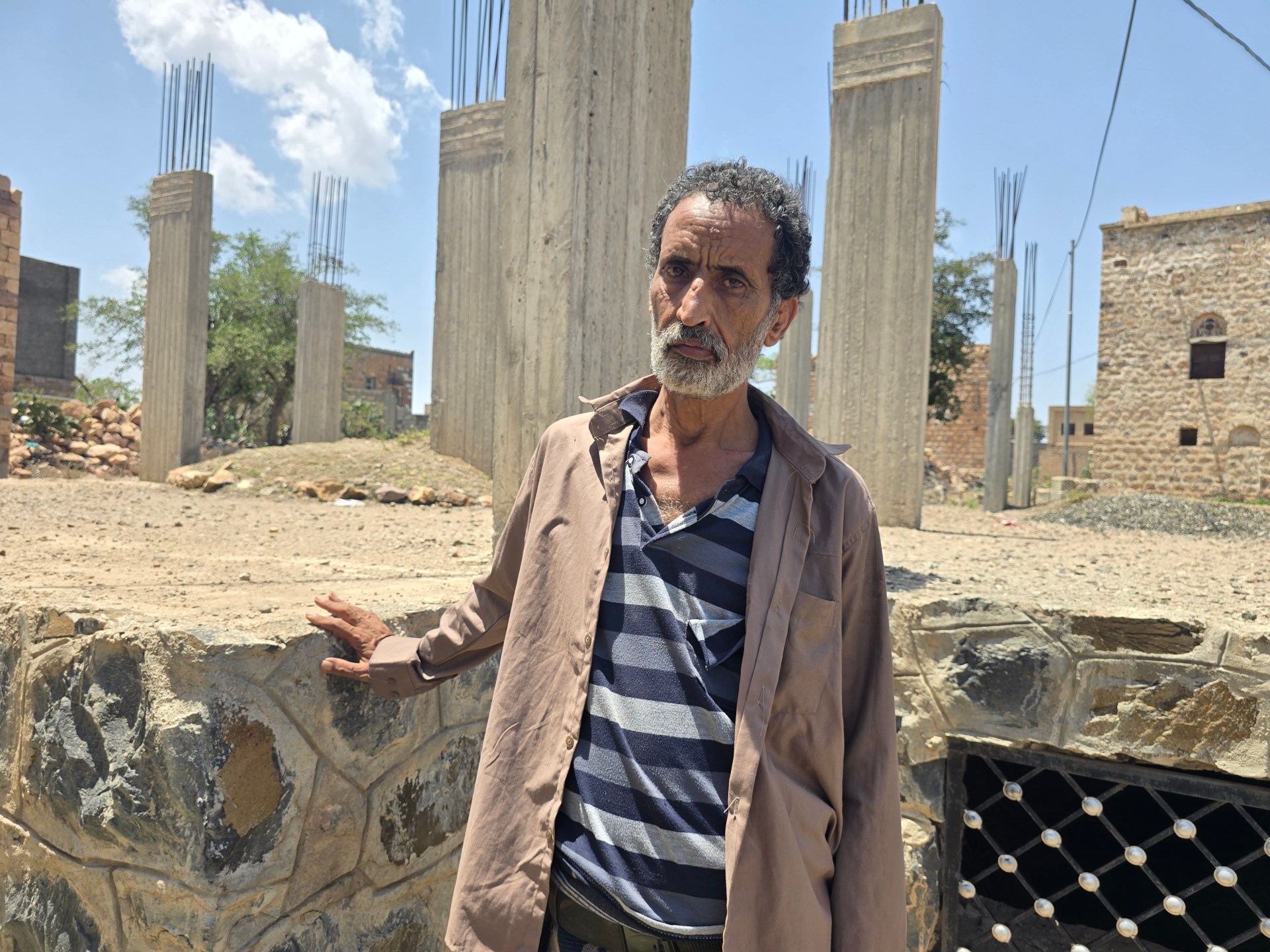
In Taiz governorate, Al Jazeera reported that Ahmed Nagi, a man in his 50s, can barely walk after developing liver complications two years ago. Nagi had spent more than three decades working as a porter in al-Turbah market, earning enough to support a family of seven, but his illness forced him out of work.
Nagi told Al Jazeera that doctors who were not liver specialists said his liver was not working properly, though they could not confirm the underlying cause. He said charitable help covered medicine for a few months, but his condition continued to worsen.
Local care was all Nagi could afford, according to Al Jazeera. He was told he needed treatment at a specialised centre in Sanaa or Aden, but travel and medical bills are out of reach for a man now dependent on others for food.
Shortages reach across the country
The World Health Organization says 18 percent of Yemen’s districts have no doctors at all. The World Bank puts Yemen’s physician ratio at 0.1 doctors per 1,000 people, compared with 1.1 across the region, 1.2 in the Arab world and 1.9 globally.
Al Jazeera reported that years of war, weak funding and the departure of qualified personnel have left at least 20 million Yemenis without basic healthcare. At least half of the country’s health facilities are non-functional, limiting Yemen’s response to outbreaks including cholera and diphtheria, according to the report.
Dr Ismail al-Hamoudi, deputy director of the Public Health and Population Office in Taiz governorate, told Al Jazeera that about 41 percent of medical staff in Taiz have either been displaced or left Yemen. He said the remaining workers are under heavy pressure as they try to keep services running.
Dr Abdulkareem Mubarak, deputy director of the National Programme at the Ministry of Health in Aden, told Al Jazeera that the departure of trained staff is the main driver of Yemen’s staffing crisis. He cited low income, irregular salary payments, shortages of supplies, broken equipment and power cuts as reasons medical workers leave.
Patients face high costs and limited options
Al Jazeera also reported the case of Taha Nabil, 45, from al-Shimayateen district in Taiz governorate. With no ophthalmologist nearby, he saved money for cataract surgery in Taiz, but said he lost sight in his right eye after the operation.
Nabil told Al Jazeera he is now seeking a qualified specialist who might restore vision in that eye, but the care could cost about $4,000. He said doctors have warned that vision in his left eye may deteriorate without treatment.
To fill gaps in specialised care, hospitals have recruited foreign doctors, including Syrians, Al Jazeera reported. Mubarak said foreign recruitment is expensive and cannot solve the crisis, though it helps cover urgent needs and allows Yemeni staff to learn from visiting doctors.
The risks remain high. Al Jazeera reported that Syrian doctors Samer Ahmed Hassan and Samaher al-Mousa died on June 12 after a gunman opened fire on guards at the Aden governor’s residence and the couple were caught in crossfire.
A Syrian orthopaedist working in Taiz, identified by Al Jazeera under the pseudonym Dr Ahmed for security reasons, said he came to Yemen three years ago after hearing about the shortage of medical workers. He said he performs about 10 major operations a month, more than twice a typical surgeon’s workload.
For patients such as Nabil, the arrival of foreign specialists has not removed the main barrier. He told Al Jazeera he had heard that Syrian ophthalmologists might be able to treat him, but said he still cannot afford the surgery.
This story draws on original reporting from Al Jazeera.