
Hospice nurse says family closure can ease the end of life
Caty Hollis says a calm setting, music and resolved family tensions can shape how people die and how relatives grieve.
By Daniel Okafor · Business Editor
3 min read
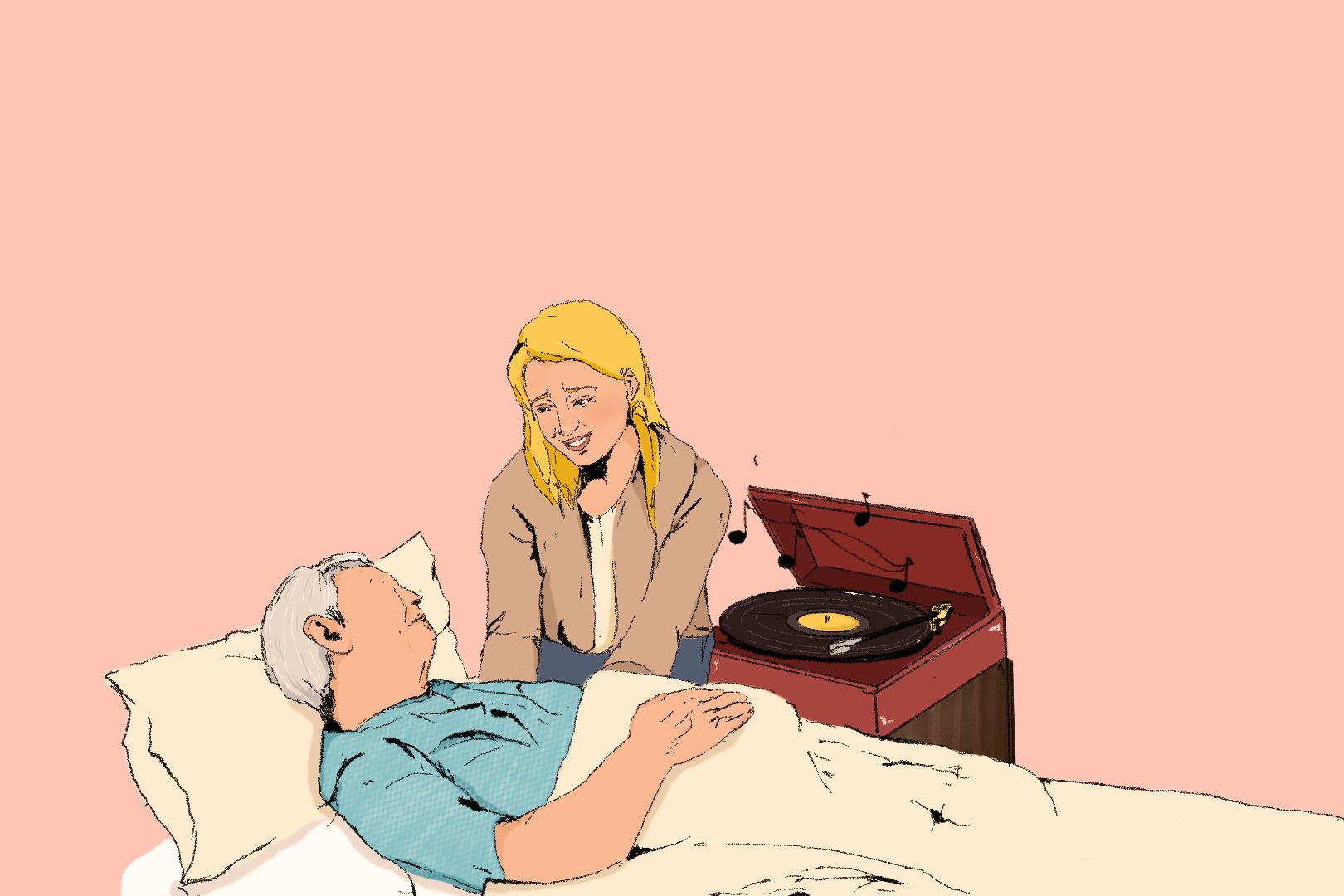
Caty Hollis, a palliative care nurse, says the setting around a dying person can change both their final hours and the grief that follows. In an interview with Al Jazeera, Hollis said family presence, familiar surroundings and emotional closure can bring comfort when medical treatment is no longer the focus.
Hollis, 61, traced her views on end-of-life care to her father’s death from colon cancer more than 20 years ago. At the time, she was working as a nurse at Bradford Royal Infirmary in northern England and travelled to London to help care for him during his final weeks, Al Jazeera reported.
Her father, a former police detective, chose to spend his last days at home. According to Hollis, relatives gathered at his bedside and played music he loved, including Frank Sinatra, Electric Light Orchestra and James Taylor.
Hollis told Al Jazeera that the experience stood apart from the deaths she had seen in hospital wards. In hospital, she said, the work often centred on clinical procedures and attempts to prolong life; at home, the priority became peace, comfort and the people closest to him.
Her father also spoke before his death about regrets over not being more present for his three daughters, Hollis said. She had recently suffered a miscarriage, one of several, and said her father found peace in the thought that his death might somehow make way for her to have a child.
Hollis later became pregnant, and told Al Jazeera her baby was due exactly one year after her father died. Her daughter turns 25 this summer, she said.
In 2003, Hollis joined Marie Curie, a UK end-of-life care charity that provides hospice care. The charity’s work, as described by Al Jazeera, focuses on comfort, quality of life and emotional support rather than curative treatment.
Hollis said patients with terminal diagnoses often need the right surroundings and the right people more than further intervention. Music can help, she told Al Jazeera, because it may connect patients with happier memories or places beyond the room they are in.
She said family relationships can also shape the final days. Nurses can manage pain and physical needs, but Hollis said the deepest comfort often comes when relatives set aside disputes, talk openly and make decisions together.
That peace does not remove grief, she said, but it can reduce guilt and conflict after the death. Hollis also told Al Jazeera that some deaths remain distressing, especially when patients are young, in pain or not ready to die.
She described one hospice case involving a mother and two daughters who had become estranged. After one daughter arrived and tried to take charge, staff and a Patient and Family Support Team helped ease the tension, allowing the mother’s last days to become calmer, according to Hollis.
Hollis said hospice rooms can also contain laughter and shared memories, even when patients can no longer respond. She said nurses encourage relatives to keep talking during the final 24 to 48 hours, when many patients are unresponsive, because hearing is widely believed to be the last sense to fade.
Her work has changed how she lives, Hollis told Al Jazeera. She said she makes time for travel, family and friends because caring for dying patients has reinforced the need not to delay the parts of life that matter.
This story draws on original reporting from Al Jazeera.