
Writers urge US break with ‘Greater Israel’ after Iran framework
Jeffrey D Sachs and Sybil Fares argue that peace depends on ending expansionist Israeli policy and creating a Palestinian state.
By Daniel Okafor · Business Editor
3 min read
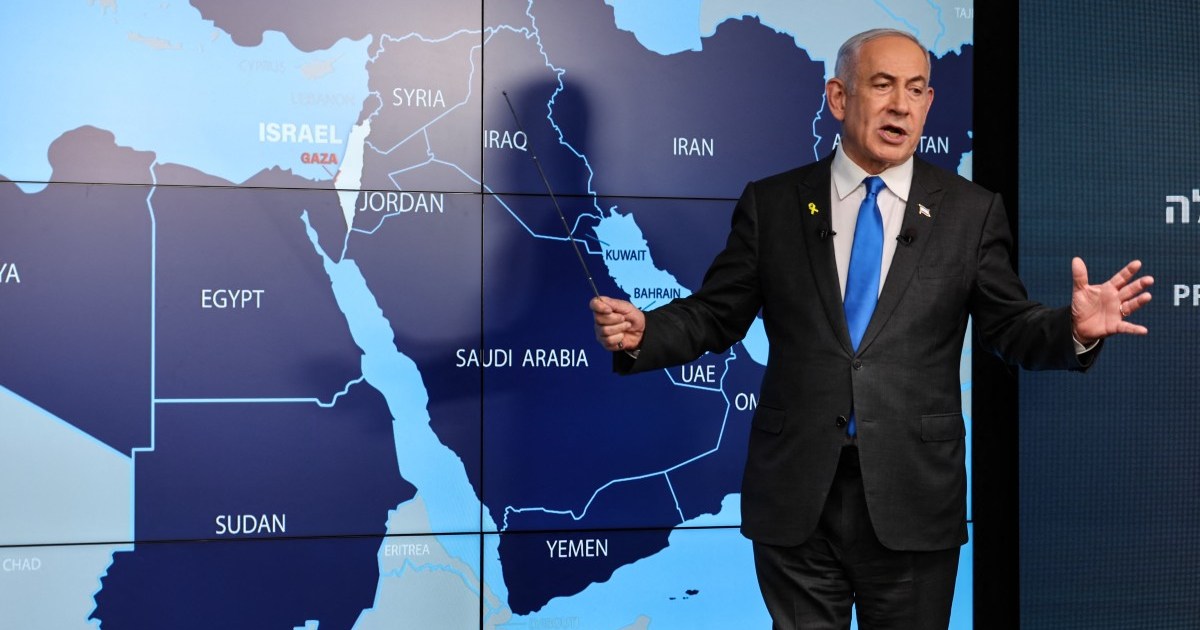
Jeffrey D Sachs and Sybil Fares are calling on Washington to reject the idea of “Greater Israel” after what they describe as a June 14 framework between the United States and Iran to end their war. In an opinion essay for Al Jazeera, they argue that the same ideology has helped drive conflicts involving Iran, Gaza, Lebanon, Syria and Iraq.
The writers say the US-Iran framework calls for the Strait of Hormuz to reopen, bombing in Lebanon to stop and the killing to end. They describe the agreement as fragile but significant after more than 100 days of war that, they say, killed thousands of people, including senior Iranian leaders, and pushed the global economy close to crisis.
Sachs, a Columbia University professor and director of the Center for Sustainable Development, and Fares define “Greater Israel” as a political project extending Israeli control across all of historic Palestine, from the Jordan River to the Mediterranean Sea, and into parts of neighboring states. They say US Ambassador to Israel Mike Huckabee has associated the idea with territory from the Nile to the Euphrates, and cite Israeli Prime Minister Benjamin Netanyahu as saying last summer that he was “very” attached to such a vision.
The authors identify two forces behind the doctrine: secular Israeli hardliners who argue that full territorial control is necessary for security, and religious nationalists who claim exclusive Jewish rights to the land. They point to Israeli Finance Minister Bezalel Smotrich’s statement that there is “no such thing as a Palestinian,” and say Smotrich recently rejected giving up Israeli military control over the West Bank, Gaza, Lebanese territory or Syrian territory.
Sachs and Fares argue that Netanyahu has kept US support by appealing to Jewish Zionists and Christian Zionists. They say that support has allowed Israel’s military policy to remain tied to expansionist aims for decades.
The writers frame the war with Iran as the latest failure of that approach. They say Israeli and American strikes killed Iranian leaders on February 28 but did not bring down Iran’s government, instead leading to thousands of deaths, disruption in the Strait of Hormuz and an oil shock.
They compare that outcome with the long war in Syria, which they describe as an Israel-US-backed effort to remove President Bashar al-Assad. According to Sachs and Fares, a campaign expected to be brief became years of destruction, aided by a covert CIA-backed war supported by Israel.
The authors say US President Donald Trump has been harmed politically by joining the war and describe the Iran framework as a way for him to leave it. They also argue that Israeli politicians committed to “Greater Israel” are trying to undermine the agreement because peace with Iran would weaken their project.
Sachs and Fares cite continued Israeli strikes in Lebanon after the deal, saying 47 people were killed on Friday and 32 more on Saturday after a Lebanon-Israel ceasefire had taken effect. They also point to a recent Pew survey showing broad unfavorable views of Israel globally, including among six in 10 adults in the United States.
The authors say lasting peace requires ending the war with Iran, stopping what they call genocide in Gaza, easing pressure on the West Bank and establishing Palestine as the 194th United Nations member state alongside Israel on 1967 borders. They also call for security guarantees for both states and Israeli withdrawal from Lebanon and Syria.
This story draws on original reporting from Al Jazeera.