
Ezekiel Emanuel argues healthy aging needs less tracking, more connection
The physician and bioethicist says his father’s long life points to ordinary habits, not wellness optimization, as the better model for aging.
By Daniel Okafor · Business Editor
3 min read
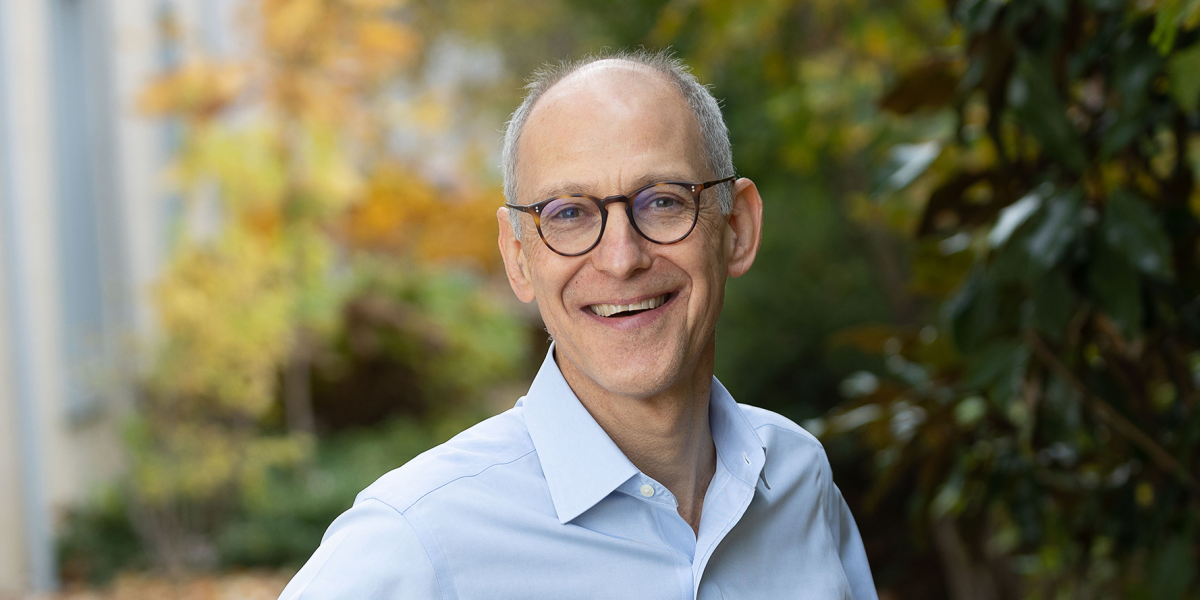
Ezekiel J. Emanuel, the physician and bioethicist, used a Father’s Day commentary in Fortune to argue that healthy aging depends less on constant tracking and more on durable habits. Emanuel said his father, who lived into his 90s, avoided diets, supplements and formal exercise plans while staying active, curious and socially engaged.
Emanuel, vice provost for global initiatives at the University of Pennsylvania and co-director of its Healthcare Transformation Institute, framed the essay as a critique of the modern wellness business. He wrote that products such as supplements, wearable devices, costly scans and influencer-led longevity advice often promote measurement and optimization rather than the routines that support long-term health.
In Emanuel’s telling, his father’s model was less polished and more sustainable. He said the elder Emanuel prioritized family, community, conversation, movement and intellectual curiosity, and treated wellness as a result of a full life rather than as a target to perfect.
Food, walking and sleep
Emanuel said nutrition should be judged by consistency over time, not strict perfection. He wrote that his father enjoyed his mother’s cheesecake but did not consume highly processed foods or sugary drinks, and he argued that cutting sugary drinks and processed snacks matters more than short-term diet experiments.
To support that point, Emanuel said drinking one to two sodas a day raises the risk of developing diabetes by 20%. He also cited a Stanford study that found one additional daily serving of fermented foods, including yogurt and kimchi, increased microbiome diversity and reduced inflammatory markers, changes he described as protective against obesity and diabetes.
Emanuel also placed weight on walking, which he said is often undervalued because it lacks the intensity associated with formal fitness programs. He wrote that walking after meals helps metabolic health and blood sugar control, and that daily movement supports cardiovascular function, sleep, cognition and mood.
His father, Emanuel wrote, never belonged to a gym or trained for endurance events, but walked quickly and often enough to earn the nickname “Speedy.” Emanuel said that after a neck injury reduced his father’s walking late in life, his father gained weight, developed Type 2 diabetes and had a heart attack.
On sleep, Emanuel criticized two habits among professionals: treating sleep deprivation as proof of dedication and obsessively measuring rest. He wrote that excessive sleep tracking can create anxiety and worsen rest through a condition known as orthosomnia, while chronic sleep deprivation raises risks tied to cardiovascular disease, diabetes, depression, cognitive decline and immune function.
Connection as a health factor
Emanuel described social connection as one of the most overlooked contributors to healthy aging, especially for men. He cited research showing that loneliness and isolation are linked to higher risks of cardiovascular disease and cognitive decline.
He also pointed to an analysis from the University of Michigan’s Health and Retirement Study. According to Emanuel, people with the most close friends, averaging 7.8, had a 17% lower risk of depression and a 24% lower risk of death than people with fewer close friends, averaging 1.6.
Emanuel said his father routinely started conversations with strangers in restaurants, asking about their work, families and hometowns. Emanuel wrote that those exchanges reflected real curiosity, not a wellness assignment, and helped keep his father energized and connected.
The broader lesson, Emanuel argued, is that longer life has value when it includes purpose, relationships and engagement. He urged readers to favor time with family, walks, reading and occasional indulgence over chasing every biomarker or wellness trend.
This story draws on original reporting from Fortune.