
World Cup teams reject UEFA president’s criticism of 48-team format
Football bodies from Africa, Asia and the Caribbean defended World Cup expansion after Aleksander Ceferin reportedly called many matches uninteresting.
By Sofia Marchetti · World Affairs Correspondent
3 min read
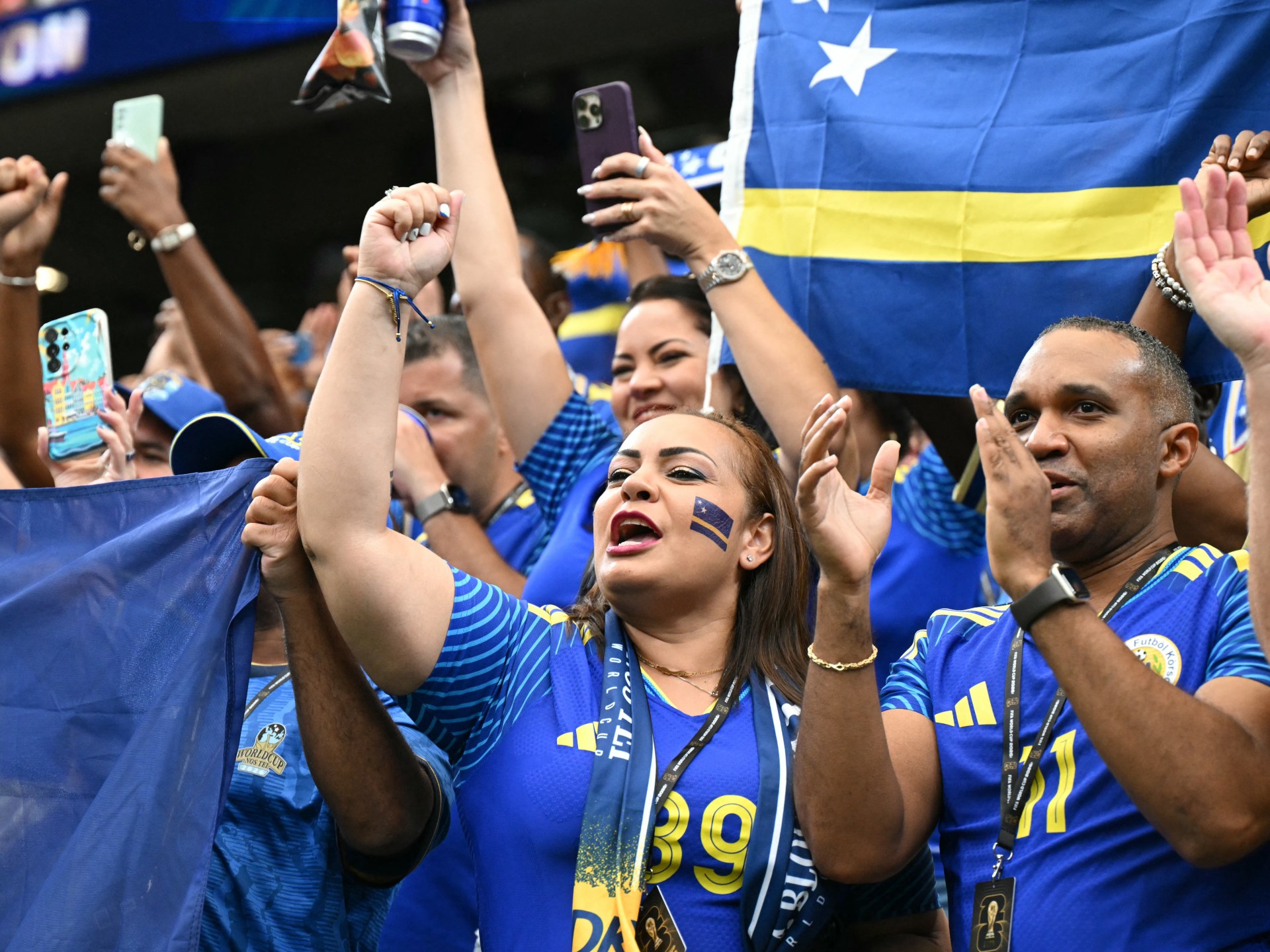
Football associations from Africa, Asia and the Caribbean have pushed back against UEFA President Aleksander Ceferin after he reportedly criticized the expanded 48-team World Cup. The dispute cuts to a central question around the 2026 tournament: whether a larger field broadens football’s reach or weakens the competition.
In a joint statement issued Sunday, the associations of Cape Verde, the Democratic Republic of the Congo, Curacao, Haiti, Jordan, Uzbekistan, Algeria, Egypt, Ghana, Ivory Coast, Morocco, Senegal, South Africa and Tunisia said they “respectfully but firmly reject” Ceferin’s reported remarks, according to The Associated Press.
Ceferin was quoted by Slovenian websites Zurnal 24 and Dosi as saying at a conference in Ljubljana last Monday that the World Cup now includes “a huge number of matches that are completely uninteresting,” according to AP. Zurnal 24 also quoted him as saying that allowing smaller countries to take part and experience the World Cup was “a big thing.”
The joint statement did not reproduce Ceferin’s wording, AP reported. It argued instead that every qualified nation had earned its place and that World Cup matches carry meaning beyond the scoreline.
“For our countries, there is no such thing as an unimportant World Cup match,” the associations said in the statement, according to AP. “Football does not belong to a select group of nations. Its strength comes from its universality.”
New teams defend expanded access
The 2026 World Cup is the largest edition of the tournament, with 48 teams rather than the 32 used in previous editions, according to AP. That expansion has opened the field to several nations with little or no previous World Cup history.
Cape Verde, Curacao, Jordan and Uzbekistan qualified for the tournament for the first time this year, AP reported. DR Congo and Haiti are back at the World Cup for the first time since 1974.
Curacao began its campaign Sunday with a 7-1 defeat to Germany, according to AP. The associations’ statement, however, said participation itself can carry lasting weight for players and supporters in countries that have waited years to reach the tournament.
“For many countries, participation in the FIFA World Cup is not only a sporting achievement,” the statement said, according to AP. “It is a moment that inspires a generation, accelerates football development and creates memories that last a lifetime.”
The associations described qualification by debutants as a historic achievement and “the realization of a dream shared by generations,” AP reported. They also singled out Congo and Haiti, saying their returns after long absences have special meaning for millions of supporters.
Statement cites investment and national pride
The football bodies said qualifying for a World Cup reflects years of work and investment by players, coaches, clubs, administrators and fans, according to AP. They described national teams as representatives of wider communities that see football as a source of pride, hope and unity.
To call those matches less important is “deeply disappointing,” the statement said, according to AP. The associations said such criticism fails to recognize the sacrifices and ambitions behind qualification.
The statement ended by saying every qualifying nation deserves respect, AP reported. “Every team has earned its place on merit. Every supporter has the right to dream. Every match carries meaning for millions of people around the world,” the associations said.
This story draws on original reporting from Al Jazeera.