
Women-led mediation seeks to curb gang violence in Maiduguri
Community groups in northeastern Nigeria are using dialogue, monitoring and former gang members to pull youths away from violent street groups.
By James Whitfield · Staff Writer
3 min read
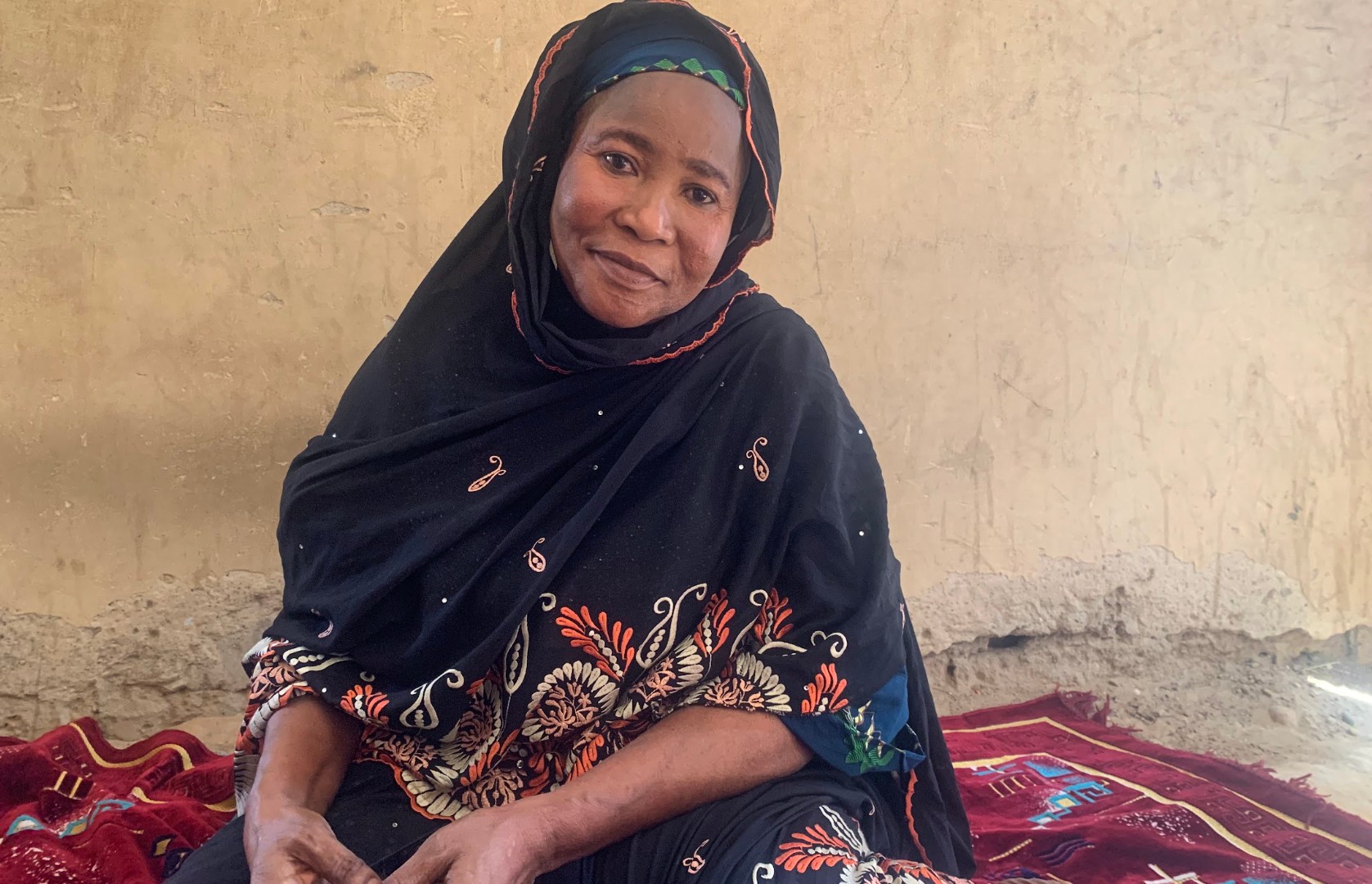
Women’s groups and local leaders in Maiduguri are trying to reduce youth gang violence through mediation rather than relying only on arrests. Their work matters because communities in Borno state are still living with the effects of years of war, displacement and street-level retaliation, according to Al Jazeera.
Al Jazeera reported that youth gangs known locally as “Marlians” have operated across Maiduguri and nearby Jere, using knives, axes, machetes and locally made weapons in clashes over territory. Residents accused gang members of using commercial tricycles to rob passengers, steal phones and ambush people around the city, according to the report.
The violence drew a state response in 2023, when Borno State Governor Babagana Umara Zulum ordered a broad crackdown after deadly clashes, Al Jazeera reported. At the same time, community groups began pressing a parallel approach: persuading gang members and their leaders to stop fighting.
Dialogue with gang leaders
Hassana Ibrahim Waziri, executive director of Unified Members for Women Advancement, told Al Jazeera that young people in the area often move from drug use and petty crime into more organised gang activity. She linked the pattern to the long conflict in northeastern Nigeria, where children have grown up seeing violence around them.
Borno is the state where the Boko Haram rebellion began. The United Nations estimates that conflict in the Lake Chad region has killed more than 35,000 people and forced more than two million from their homes, according to Al Jazeera.
From 2018 to 2021, Unified Members for Women Advancement, with backing from Conciliation Resources, held regular talks with gang leaders in 10 communities described as volatile, Waziri told Al Jazeera. The organisation met participants every two weeks and tried to convince influential gang members that they could build different futures and promote peace in their own areas.
Local groups later expanded the effort. Al Jazeera identified the Ajilari Cross Development Association and the Gomari Development Association as among the organisations using community mediation to keep disputes between rival groups from turning deadly.
Bulama Babangida, a community leader involved in the Ajilari initiative, told Al Jazeera that women trained through the programme now run weekly peace awareness sessions on Sundays and work with state security actors to address disputes early. Fatima Tahir, a women’s leader with the Gomari Development Association, said she helped organise women, assign representatives in neighbourhoods and oversee dialogue between rival gangs in Gomari and Bulunkutu.
Former fighters join the effort
Community leaders estimated to Al Jazeera that more than 1,000 gang members have taken part in the dialogue circles, though Al Jazeera said it could not independently verify the figure. Some women also monitor emerging disputes and areas linked to drug use, then share information with community leaders, police, the military and the Civilian Joint Task Force, according to the report.
Al Jazeera profiled Mohammed Abdulhamid, a former gang member in Ajilari whose right hand was mutilated in a 2023 revenge attack. Abdulhamid said he can no longer work as a contract carpenter and now tries to keep teenagers from entering the same cycle of violence.
Ma’aji Abba, a 27-year-old former gang member from Gomari, told Al Jazeera after his release from prison in May that he believes the roots of gang involvement lie in the violent environment where many youths grew up. He said he is trying to raise money to open a clothing business.
The peace effort remains under strain, according to Al Jazeera. Former gang members said leaving violence does not shield them from threats by old rivals, while community leaders warned that a lack of formal reintegration support could push some men back into gangs.
Organisers also said falling donor funding has made the work harder, with some paying for meetings and outreach themselves. Waziri told Al Jazeera that helping young people build peace in their own lives is essential if wider communities are to benefit.
This story draws on original reporting from Al Jazeera.