
Venezuelans in Colombia gather aid after deadly quakes
Donations are piling up in Colombia as Venezuela’s earthquake toll rises above 900 and relief groups warn that delivery could face delays.
By Sofia Marchetti · World Affairs Correspondent
3 min read
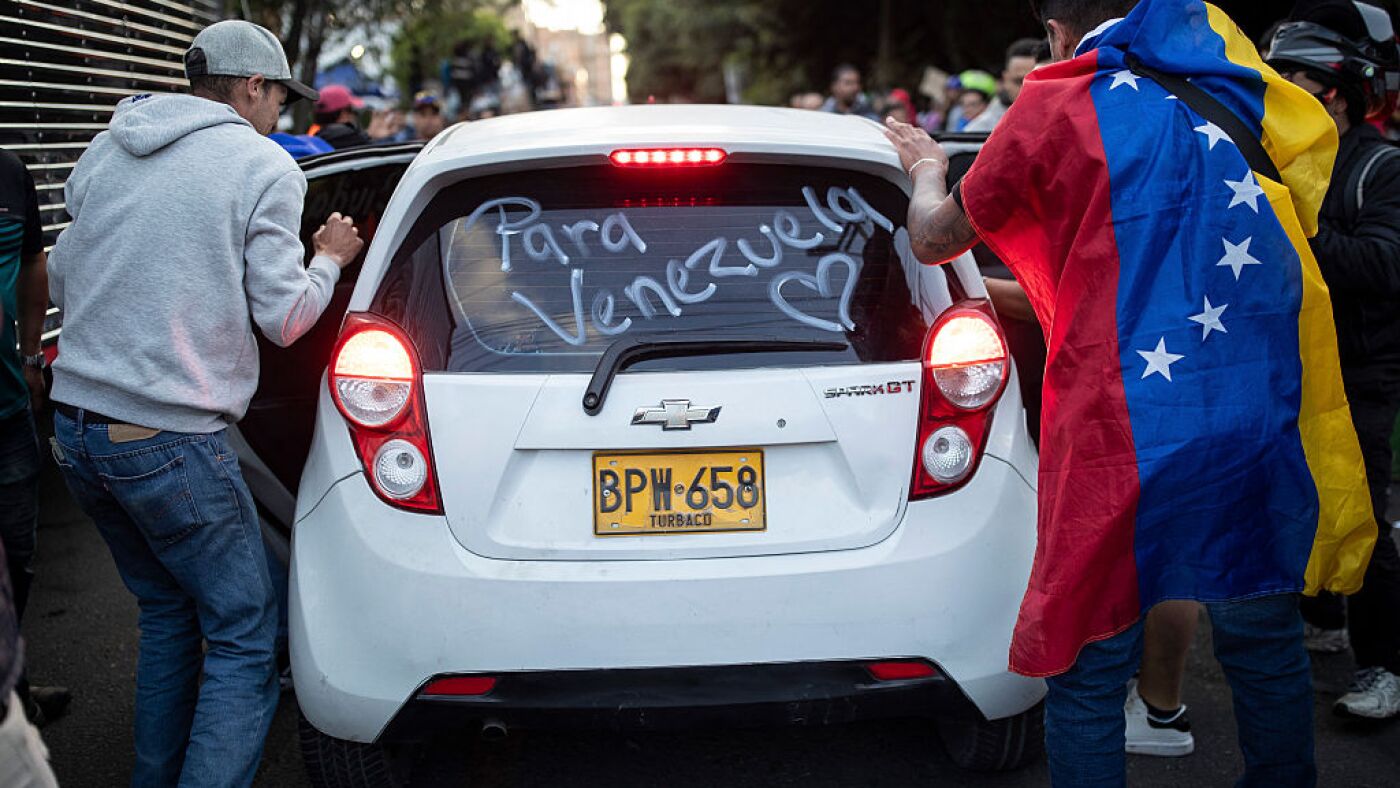
Venezuelans living in Colombia are collecting food, clothing and medical basics for survivors after twin earthquakes left more than 900 people dead in Venezuela. NPR reported that the aid push is growing as rescue teams face shortages of equipment and a strained health system in the hardest-hit areas.
Venezuelan authorities said more than 3,000 people have been injured and many others remain unaccounted for, according to NPR. Thousands of survivors have lost their homes and are sleeping in public squares, shelters and parks, NPR reported.
President Delcy Rodríguez has promised to save as many people as possible and urged unity three days after the quakes, NPR reported. The broadcaster described the disaster as Venezuela’s worst earthquake event in more than a century.
Relief workers and residents have expressed anger over what they describe as a slow and poorly coordinated response, according to NPR. International teams have started arriving, but NPR reported that some damaged areas still lack heavy rescue equipment, leaving residents to search through debris by hand.
In Colombia, which NPR described as home to the largest Venezuelan community outside Venezuela, hundreds of people have gone to community collection points with donations. The items include shelf-stable food, hygiene supplies, clothes and pet products, according to the report.
Humanitarian organizations in Colombia and nearby countries are trying to gather supplies for the coming weeks, NPR reported. Photos from Bogotá showed donated goods being unloaded from vehicles marked for Venezuela, according to captions credited to Esteban Vega La-Rotta of AFP via Getty Images.
Isabel Mendoza, a Venezuelan street vendor who has lived in Colombia for five years, brought unused clothes, gloves, masks and toilet paper to a donation site in Bogotá, NPR reported. Mendoza told NPR that her family in Maracaibo was not affected, but that seeing damage in places such as Caracas and La Guaira was painful.
Mariana Godoy, a logistics specialist, arrived with bottled water, energy drinks, cookies, deodorant and sanitary products, according to NPR. Godoy told the broadcaster that a doctor in her family could not return home in Caracas after his building suffered severe damage and was sleeping in his office with his wife and children.
Gisella Serrano, a Venezuelan humanitarian worker, told NPR that she expects the emergency to last for months. Her foundation is working with other groups to place supplies in warehouses before sending them to Venezuela by air with help from Colombian airlines, NPR reported.
Aid groups told NPR that getting donations into Venezuela will require permits from the Venezuelan government. NPR reported that the government has previously been wary of accepting help from private organizations, especially groups tied to the opposition, while activists inside Venezuela have accused authorities of blocking relief efforts and, in some cases, seizing donations.
This story draws on original reporting from NPR.