
Venezuela quake toll tops 1,400 as crews search into fourth day
Authorities say thousands remain missing after twin earthquakes, while relief flights begin landing near Caracas.
By James Whitfield · Staff Writer
3 min read
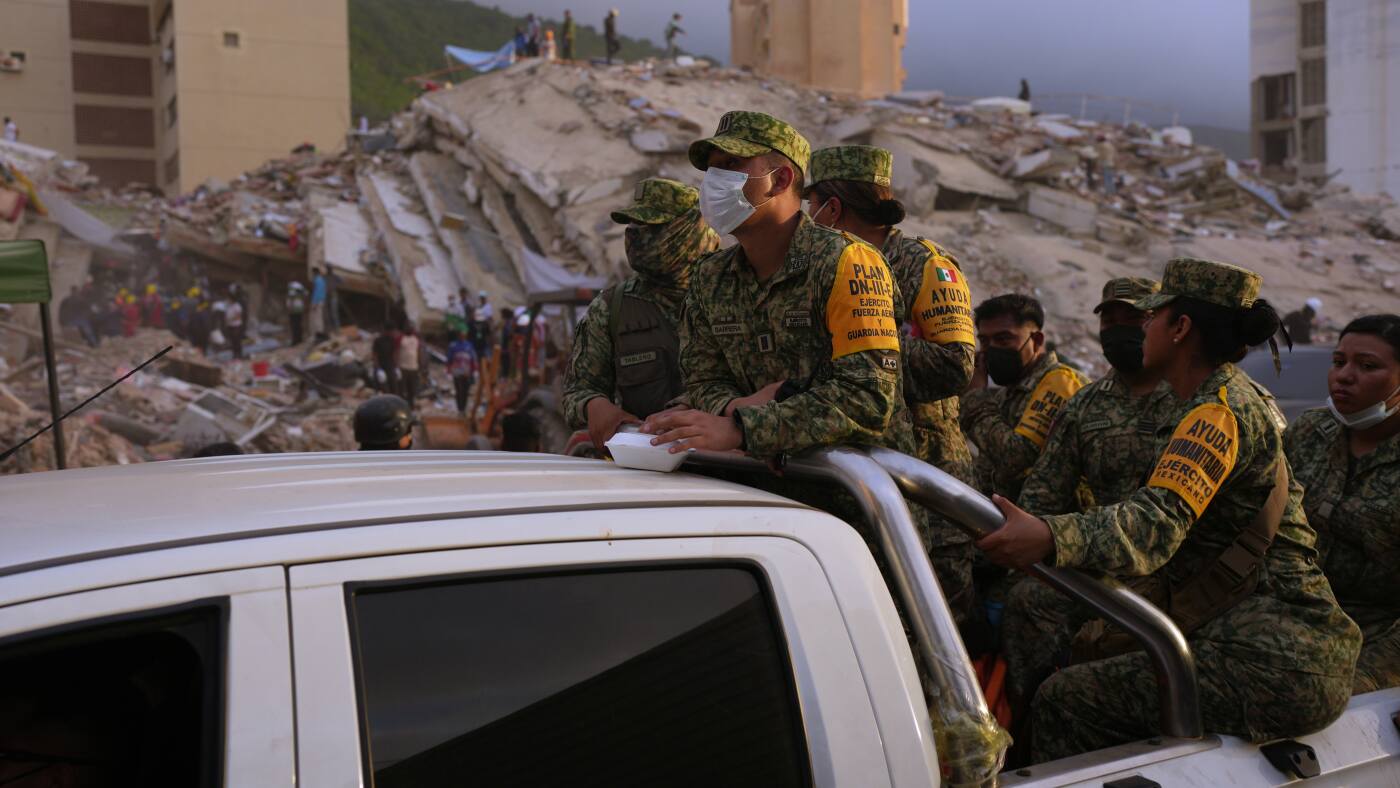
Rescue crews and residents searched collapsed buildings in Venezuela for a fourth day after twin earthquakes killed at least 1,430 people and injured nearly 3,500, the government said, according to NPR. Authorities said thousands more remained missing as the period when survivors are most likely to be found continued to shrink.
NPR reported that emergency aid flights had begun arriving after the main airport in Caracas partly reopened for relief operations. The scale of the damage has put new pressure on a country already weakened by years of economic, institutional and health care crises, NPR reported.
The heaviest scenes described by NPR were in La Guaira, the coastal state north of Caracas that was among the areas closest to the quakes’ epicenter. Firefighters, volunteers and residents were working around flattened buildings, using machinery where available and hand tools where it was not.
At one wrecked structure, NPR reported, rescuers called into the debris asking anyone alive to make a sound. Nearby, families waited for word on relatives who had been inside when the buildings fell.
Families wait beside the rubble
Junior Laya and Jesus Gallardo, covered in dust, sat near one damaged site in La Guaira, NPR reported. Gallardo told NPR he was looking for his brother and cousins and had not heard from them after four days of searching.
Andrea Peña, a 34-year-old La Guaira resident, told NPR that her home, a seven-story building, was destroyed. She said her father and nephew were trapped inside; she survived because she had been outside during a Venezuelan holiday when the quake struck.
NPR reported that residents at another site were digging with small shovels and their hands after being told someone was still beneath the debris. Only the person’s feet could be seen, and NPR reported that it was unclear whether the person was alive.
Across La Guaira, NPR described widespread structural damage: cracked buildings, leaning towers and high-rises with exposed rooms where furniture and children’s belongings remained visible. Many people left homeless were standing or sitting in the streets, unsure where to go next, NPR reported.
Health concerns grow
Rescue workers generally consider the first 72 hours after a collapse the most critical period for finding people alive, NPR reported. By the fourth day, that window was closing as crews continued to search through concrete and twisted metal.
Sanitation has become an immediate concern in the humid conditions, NPR reported. In some areas, the smell of decay had already appeared, raising fears of a wider public health problem.
Authorities were cordoning off some damaged zones to control access, and shelters were opening for people whose homes were destroyed, according to NPR. Helicopters were flying overhead as residents waited near unstable buildings for news from rescue teams.
Venezuela entered the disaster after more than a decade of national strain, NPR reported. Its economy has collapsed, public institutions and hospitals have weakened, and millions of people have left the country over the past decade, leaving officials facing a large-scale emergency with limited capacity.
This story draws on original reporting from NPR.