
Venezuela ICC withdrawal announced as government alleges bias
Venezuela says it told the UN it will leave the ICC, accusing the court of unfairly targeting countries in the Global South.
By James Whitfield · Staff Writer
3 min read
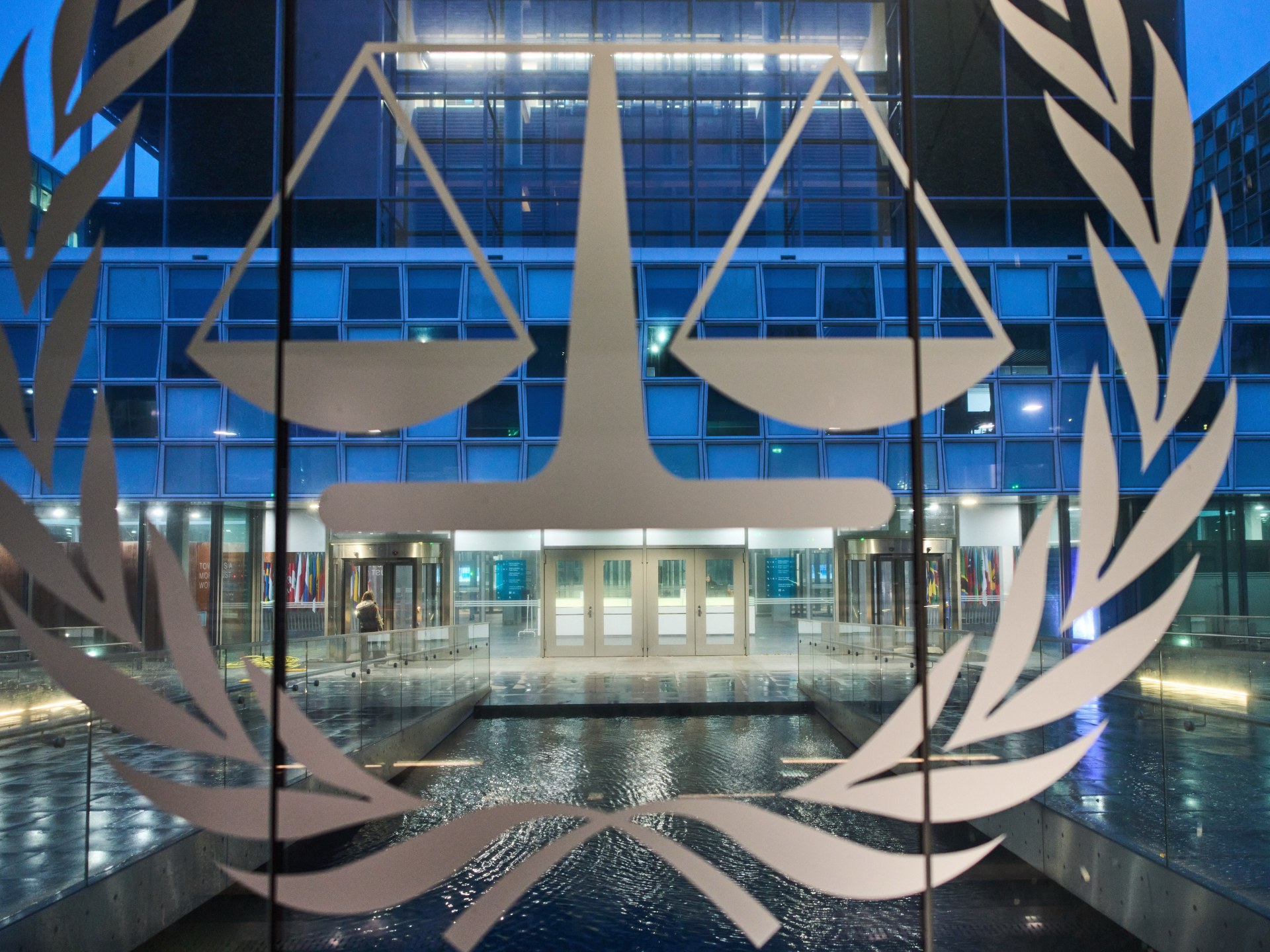
Venezuela’s government has told the United Nations it plans to leave the International Criminal Court, Foreign Minister Felix Plasencia said Friday, making the Venezuela ICC withdrawal the latest challenge to the court’s authority. Plasencia said the decision was ordered by interim President Delcy Rodriguez and described it as irreversible, according to Al Jazeera and Reuters.
The announcement matters because the ICC has been examining alleged crimes against humanity by Venezuelan authorities tied to a 2017 crackdown on antigovernment protests. The court said in 2021 that it would open that investigation.
Why is Venezuela leaving the ICC?
Plasencia accused the court of applying international justice unevenly, saying its work has fallen disproportionately on African and Latin American countries. In his statement, he said Venezuela believes the court shows a geographic tilt against the Global South and undermines sovereignty and self-determination.
Venezuela’s National Assembly had already moved against the court’s legal framework. In December, lawmakers voted to end the country’s commitments under the Rome Statute, the agreement associated with ICC membership, according to Al Jazeera and Reuters.
National Assembly President Jorge Rodriguez has also attacked the ICC, previously calling it a tool of American imperialism. The court has faced broader criticism from some governments and observers who say it has not held Western leaders to the same standard as officials from countries in the Global South.
What is the ICC case involving Venezuela?
The ICC announced in 2021 that it would investigate possible crimes against humanity linked to actions by the Venezuelan government during unrest in 2017. The inquiry concerns the state response to antigovernment demonstrations, according to Al Jazeera and Reuters.
The ICC is based in The Hague, Netherlands. Its work has drawn growing political pressure from governments that reject its jurisdiction or object to investigations involving their officials or allies.
How does the United States fit into the decision?
Venezuela’s decision comes after a shift in relations with Washington under Rodriguez. Al Jazeera and Reuters reported that Rodriguez has sought closer ties with the United States after assuming power following a January military attack in which the US abducted former President Nicolas Maduro.
The rapprochement has occurred while Venezuela faces the threat of additional US military action, according to Al Jazeera and Reuters. The timing also follows remarks by US Secretary of State Marco Rubio, who said last week that Washington would pursue a campaign to weaken the ICC’s ability to operate.
The United States has long opposed the court. Under President Donald Trump, the US has used measures including sanctions against prosecutors involved in investigations of US and Israeli forces, according to Al Jazeera and Reuters.
Rubio accused the ICC last week of attacking the United States through legal tools rather than military force. His comments came one week before Venezuela announced its withdrawal plan.
What does Israel have to do with the ICC dispute?
The move also comes as some analysts have argued that Venezuela’s government has been preparing to restore relations with Israel. The ICC has indicted Israeli Prime Minister Benjamin Netanyahu on charges of war crimes in Gaza, according to Al Jazeera and Reuters.
Venezuela’s exit plan adds to pressure on the ICC from governments that reject its investigations or object to its reach. Plasencia said Caracas has notified the UN of its decision, but the practical next steps for withdrawal were not detailed in the announcement.
This story draws on original reporting from Al Jazeera.