
Hezbollah rejects US-brokered Israel-Lebanon framework
Hezbollah’s leader denounced the Washington deal as Israeli strikes were reported in southern Lebanon despite the new framework.
By Daniel Okafor · Business Editor
3 min read
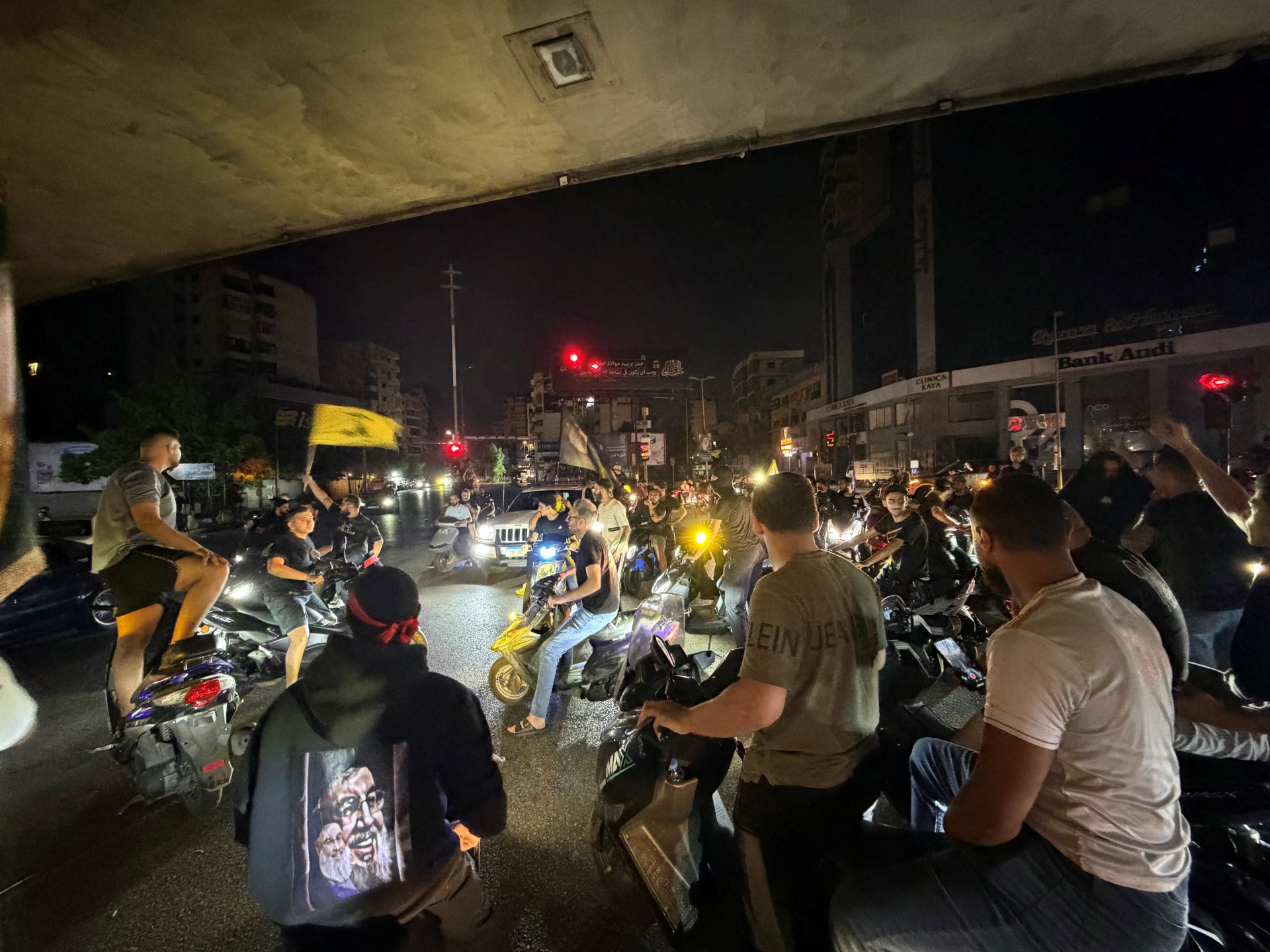
Hezbollah leader Naim Qassem rejected a US-mediated framework agreement signed by Lebanon and Israel, intensifying opposition to a deal that links the group’s weapons to future security arrangements. The dispute matters because the agreement was presented by Lebanese officials as a step toward ending hostilities, while Hezbollah says it will keep fighting Israel.
Al Jazeera reported that Qassem issued a statement on Saturday condemning the agreement signed in Washington on Friday. He called it “humiliating, shameful and a surrender of sovereignty” for Lebanon and rejected any connection between an Israeli pullback from Lebanese territory and Hezbollah disarmament.
“We will continue as a resistance in the field to defeat the occupation [Israel] … We did not leave the field under difficult circumstances and we will not abandon it,” Qassem said, according to Al Jazeera.
Qassem also accused Lebanon’s government of giving legitimacy to Israel’s presence in Lebanese territory for years. He said the arrangement “could lead to the annexation of these lands to the Zionist entity,” Al Jazeera reported.
Dispute over withdrawal language
The agreement does not require Israel to leave southern Lebanon, according to Al Jazeera. Zeina Khodr, the network’s Lebanon correspondent, said the term “withdrawal” does not appear in the text.
Khodr described the framework as a path toward normalization between Lebanon and Israel. She said it includes mutual recognition of each state’s right to exist in peace, an intention to formally end the state of war, direct talks under US mediation, permanent communication channels and work on a broader peace and security agreement.
Israeli officials have also suggested that Israel could remain in Lebanon even if Hezbollah disarms. Finance Minister Bezalel Smotrich said earlier in the week, according to Al Jazeera: “We are there until Hezbollah disarms and I think also beyond that, because we need defendable borders.” Prime Minister Benjamin Netanyahu and other officials have made similar suggestions, the network reported.
Protests and strikes in the south
Hezbollah supporters protested in Beirut after the agreement was signed, Al Jazeera reported. Demonstrators in the southern suburbs burned tyres and blocked a road leading to the airport on Friday evening.
The protesters opposed the deal, Israel’s continued presence in Lebanese territory and ongoing Israeli air raids in southern Lebanon, according to Al Jazeera. Lebanon’s state-run National News Agency reported that Israeli forces bombed areas near Markaba and Nabatieh al-Fawqa on Saturday morning.
NNA also said Israeli forces carried out overnight bombing near Markaba, about 1.5km, or 1 mile, from the Israel-Lebanon border.
Public Prosecutor Judge Ahmad Rami al-Hajj ordered Lebanese security forces to prevent riots and identify those involved so legal action could be pursued, NNA reported.
Lebanese officials defend the deal
Some Lebanese officials welcomed the framework despite Hezbollah’s exclusion from the talks. Ashraf Rifi, a member of parliament and former justice minister, said Lebanon was finally “acting like a state,” according to Al Jazeera.
Rifi said Lebanese decision-making should no longer be “hostage to the Iranian project” or to Hezbollah’s control over state institutions. Gebran Bassil, a Lebanese MP and leader of the Free Patriotic Movement, said the agreement “requires responsible engagement,” Al Jazeera reported.
Alon Pinkas, a former Israeli ambassador and consul general in New York, told Al Jazeera he was “very doubtful and sceptical” that the framework would succeed because the core issue is Hezbollah, not a territorial dispute between Israel and Lebanon.
Hezbollah MP Hassan Fadlallah told Al Jazeera that any attempt by the Lebanese army to enforce the Washington-brokered deal would lead to “civil war.”
This story draws on original reporting from Al Jazeera.