
U.S. strikes Iran again as World Cup opens under political strain
NPR reported a second day of U.S. airstrikes on Iran, new inflation pressure and a World Cup opener shadowed by protests and visa disputes.
By Sofia Marchetti · World Affairs Correspondent
3 min read
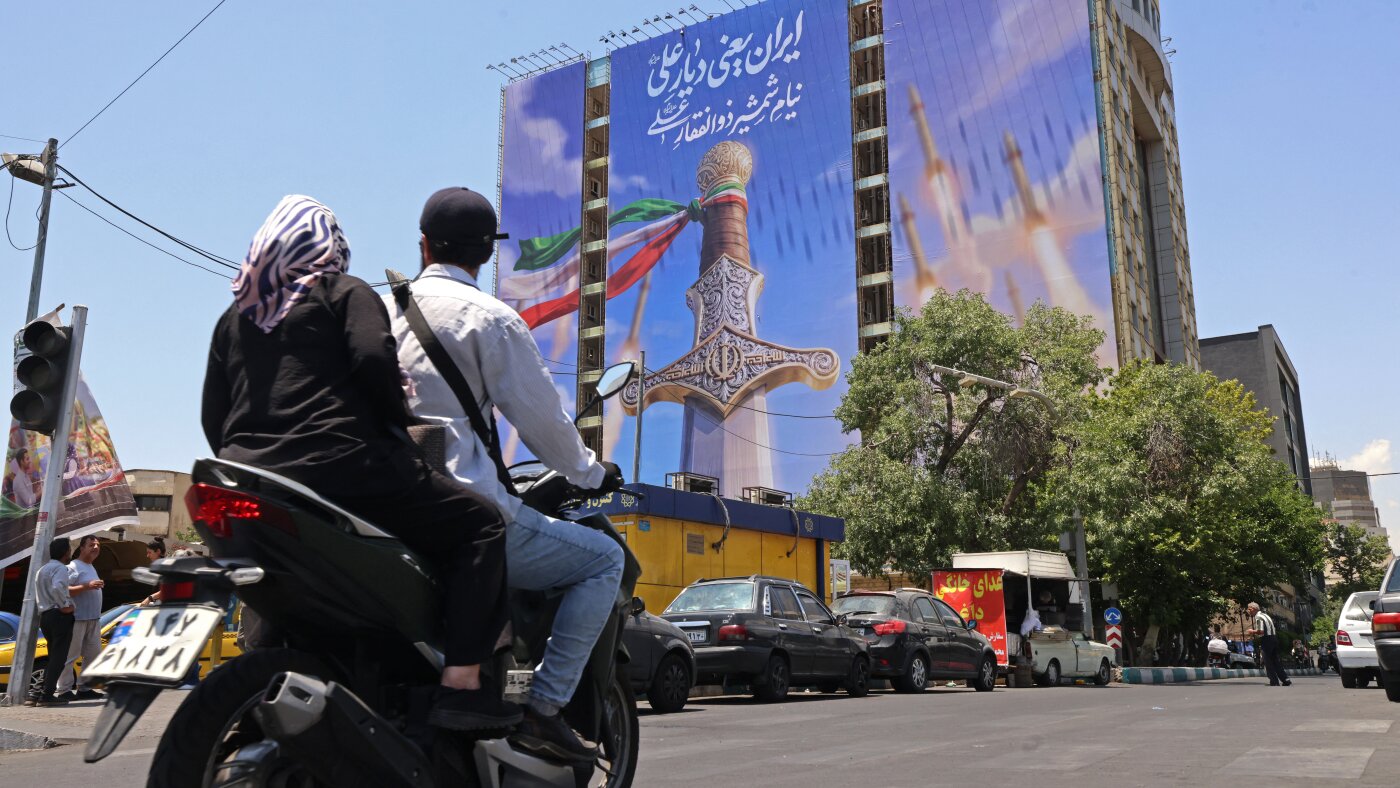
The United States carried out airstrikes on Iran for a second straight day, NPR reported Thursday, widening a conflict that has already pushed gasoline prices higher. The attacks came as the 2026 FIFA World Cup was set to begin in Mexico City under political tensions tied to protests and the U.S.-Iran war.
President Trump said Iran was taking “too long to negotiate” before the latest strikes, according to NPR. The attacks hit several locations along Iran’s coast, including military sites near and around the Strait of Hormuz, NPR reported.
Iran’s Revolutionary Guard said it answered with fire directed at 18 U.S. sites in the region, NPR reported. The Guard named military bases in Kuwait, Bahrain and Jordan; NPR said there were no reports of damage or casualties so far.
NPR’s Greg Myre told Up First that it was hard to say whether the latest exchange would turn into full-scale fighting. He said U.S. attacks had taken place on two consecutive nights, and Trump has said more strikes would follow tonight if Iran does not agree to a deal.
Inflation rises as gasoline costs climb
The war is also feeding into the U.S. economy through higher gasoline prices, NPR reported. A Labor Department report released Wednesday showed consumer prices in May were 4.2% higher than a year earlier, the fastest annual increase since April 2023.
The Labor Department said average wages rose 3.4% over the same period, meaning pay has not kept up with prices on average. NPR’s Scott Horsley said that marks a reversal from much of the past three years, when wage growth had been outpacing inflation for many workers.
The inflation report lands ahead of the Federal Reserve’s next rate-setting meeting. NPR reported that Trump has been pressing for lower interest rates, while the Fed typically responds to inflation by raising rates or keeping them high; Horsley said rates are likely to stay elevated for a long period.
World Cup opens in Mexico City
The World Cup begins Thursday with Mexico playing South Africa in Mexico City, NPR reported. The tournament is expected to draw billions of viewers and features a record 48 teams and 1,248 players.
NPR’s Eyder Peralta reported that protests in Mexico City could interfere with some events. Electric company workers, sex workers and relatives of missing people have demonstrated, and a major teachers’ union has set up a protest camp near the main square while threatening to take demonstrations to Estadio Azteca, where the opener will be played.
The tournament also brings diplomatic complications. NPR reported that this is the first World Cup in which a host country is receiving a team from a country it is at war with, with Iran scheduled to play in Los Angeles next week.
Iran’s team had planned to train in Tucson, Arizona, but the United States said the team was not welcome there, NPR reported. Iran moved its training camp to Tijuana.
NPR also reported other entry problems involving World Cup personnel: the United States denied entry to an Iraqi team photographer, held one Iraqi star player in immigration for hours and denied access to a Somali referee.
This story draws on original reporting from NPR.