
US-Saudi nuclear proposal faces scrutiny over uranium enrichment
Reported deal would let Saudi Arabia develop civilian nuclear power with possible domestic enrichment, drawing concern from non-proliferation experts.
By James Whitfield · Staff Writer
4 min read
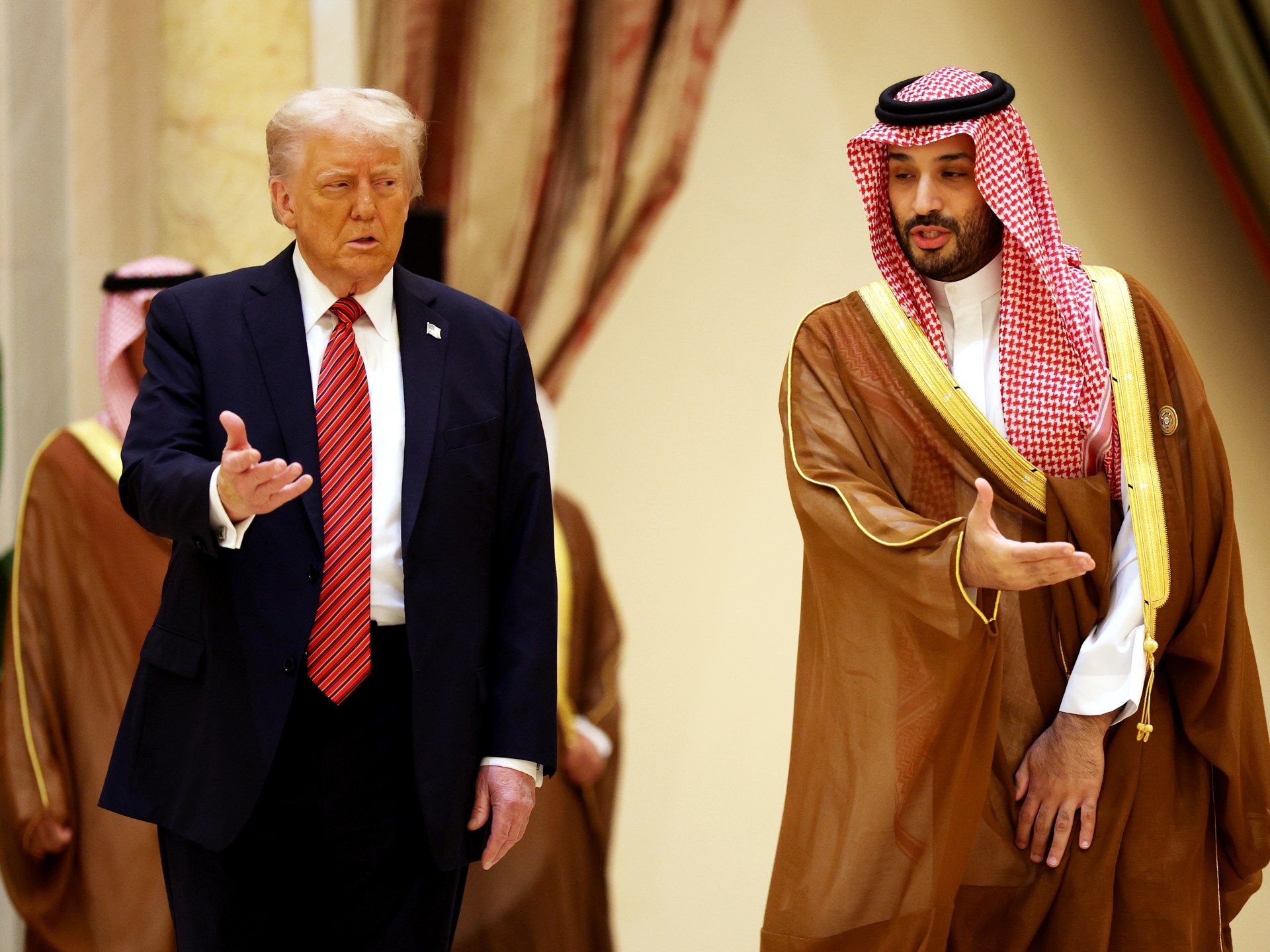
US President Donald Trump has approved a proposed civilian nuclear cooperation agreement with Saudi Arabia that could allow the kingdom to enrich uranium at home, The Wall Street Journal and The New York Times reported. The reported plan matters because it would mark a departure from long-standing US efforts to limit the spread of nuclear fuel-making technology.
The newspapers, citing people familiar with the discussions, said Trump is expected to send the agreement to Congress for review. If cleared, it could allow US firms, including Westinghouse, to help build Saudi Arabia’s nuclear energy industry.
What the deal would do
According to the reports, the proposed agreement would run for 30 years. A central provision would allow Saudi Arabia to pursue uranium enrichment inside the kingdom after a joint US-Saudi study.
Uranium enrichment is used to make fuel for nuclear power reactors. The same process, if taken to higher levels, can also produce material suitable for nuclear weapons.
Saudi Arabia has said in the past that it would seek a nuclear weapon if Iran obtained one. Iran says its own nuclear programme is peaceful.
Why Riyadh wants nuclear energy
Saudi Arabia has pursued civilian nuclear power for years as part of plans to reduce its reliance on oil and broaden its economy. Talks with Washington have continued across several US administrations.
Under former President Joe Biden, The New York Times reported, nuclear cooperation was linked to a wider package that included Saudi recognition of Israel. Those talks stalled after the war in Gaza, while the Trump administration later revived discussions without that requirement.
During Crown Prince Mohammed bin Salman’s visit to the United States last year, Washington and Riyadh announced a framework for civilian nuclear cooperation. The two governments described that framework as part of a long-term partnership based on non-proliferation standards.
Why critics are concerned
Non-proliferation concerns center on whether the Saudi deal would include the same limits accepted by some other US partners. The United Arab Emirates signed a US nuclear cooperation agreement in 2009 before opening its Barakah nuclear power plant, agreeing not to enrich uranium or reprocess spent nuclear fuel.
Experts have often described the UAE arrangement as the “gold standard,” according to Al Jazeera and Reuters. The reported Saudi proposal would not follow that model because it may allow enrichment.
Reports also indicate the deal may not require Saudi Arabia to accept the International Atomic Energy Agency’s Additional Protocol. That protocol gives inspectors wider authority to check whether nuclear material is being diverted for military purposes.
Michael Horowitz, a geopolitical analyst, told Al Jazeera that the reported agreement would be “very consequential” because it falls short of the UAE model and does not include the Additional Protocol. He said any safeguards would appear to depend on bilateral US-Saudi relations rather than broader inspection rules.
What Washington says
Supporters of the proposal argue it would reinforce US influence in the Gulf. In a report submitted to Congress earlier this year, the Trump administration said wider civilian nuclear cooperation would help preserve US leadership in the global nuclear industry and limit the role of strategic competitors in Saudi Arabia.
The administration also said Saudi Arabia’s rising electricity demand makes nuclear power part of its long-term energy planning, despite the country’s oil resources and strong solar potential.
Congress gets a say
US civilian nuclear cooperation agreements, known as “123 agreements,” must be sent to Congress. Lawmakers can review them and attempt to block them.
Congress would need a two-thirds majority to stop the agreement and overcome a presidential veto. The proposal is expected to draw questions from both Democrats and Republicans over the safeguards attached to Saudi enrichment.
Some members of Congress and Israeli officials have warned that allowing enrichment could preserve a future route to a Saudi nuclear weapons capability, even if the programme starts as civilian. Andrea Stricker, deputy director of the Foundation for Defense of Democracies’ Nonproliferation Program, urged Congress to block the proposal, saying otherwise it could weaken safeguards and set a negative precedent for other states.
This story draws on original reporting from Al Jazeera.