
US sanctions Cuba’s state oil company as fuel crisis deepens
Washington targeted Union Cuba-Petroleo, accusing Cuba’s leaders of using the energy sector to support repression while shortages strain the island.
By Lucas Ferreira · Science & Environment Writer
3 min read
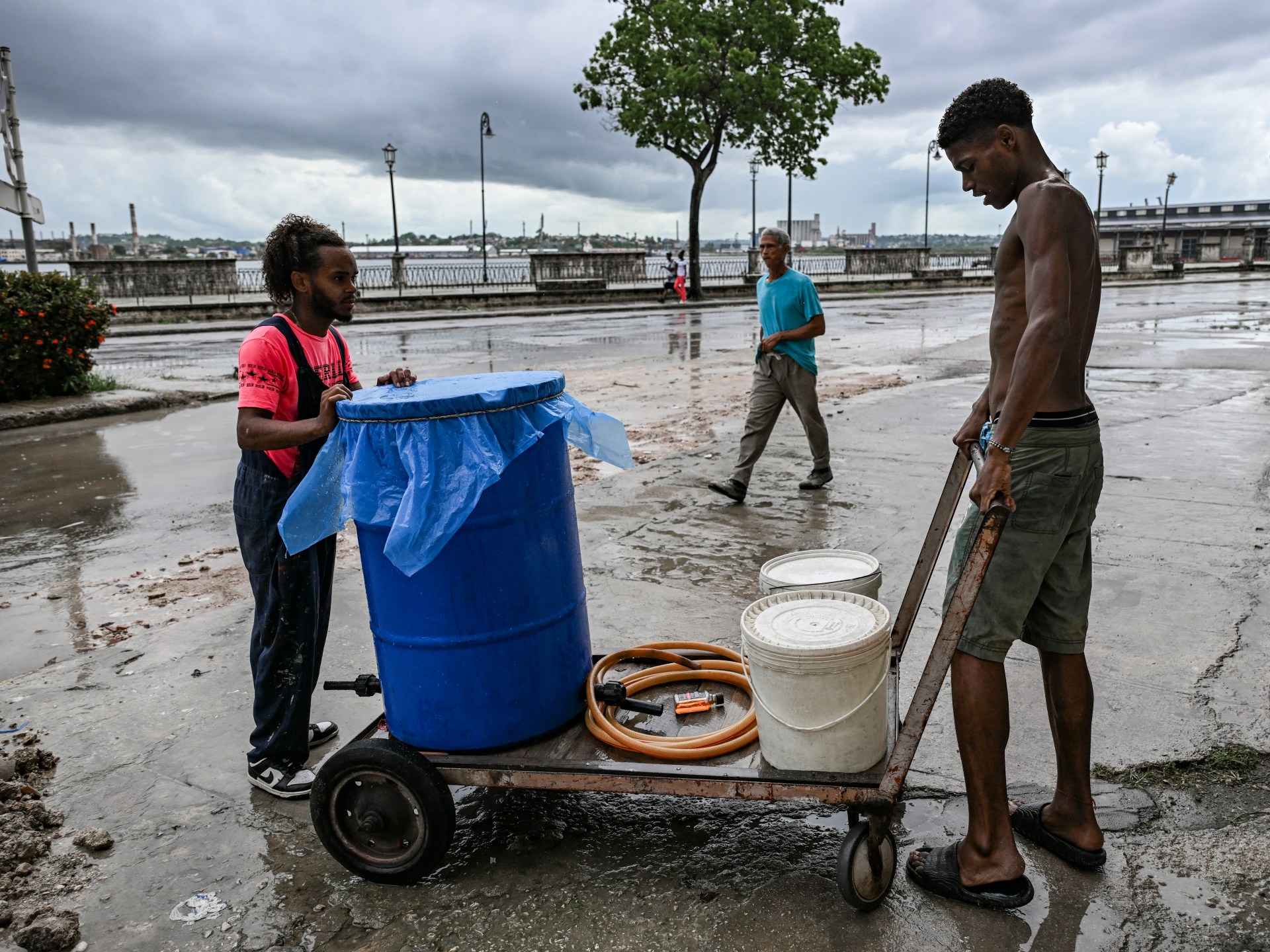
The United States imposed new sanctions Thursday on Cuba’s state oil and gas company, Union Cuba-Petroleo, expanding pressure on Havana as the island faces severe fuel shortages and blackouts. The move matters because Cuba relies heavily on imported oil to run its ageing power grid and transport system.
US Secretary of State Marco Rubio said the company supports Cuba’s security apparatus and accused the country’s Communist leadership of benefiting from energy resources while ordinary Cubans endure shortages. Rubio also said assets tied to Union Cuba-Petroleo had been taken from US owners during Cuba’s nationalisation of oil production in 1960.
The sanctions freeze any Union Cuba-Petroleo assets under US jurisdiction and block entities with US operations from doing business with the company. The measure adds to a long-running US trade embargo and to the Trump administration’s recent campaign to cut Cuba’s access to fuel.
Energy pressure on Havana
The Trump administration has moved since January to tighten Cuba’s fuel supply, including by halting energy flows from Venezuela and threatening tariffs on countries that ship oil to the island. Cuba depends on oil imports for electricity generation, shipping and transport.
The International Energy Agency estimated in 2023 that Cuba produced about 40 percent of the oil it consumed. Al Jazeera reported that since late January, only one Russian oil tanker has reached Cuba.
Power cuts have long affected Cuba, but outages have become more frequent during the latest fuel restrictions. Al Jazeera reported that Cuba experienced two nationwide blackouts in March.
Volker Turk, the United Nations high commissioner for human rights, said this week that fuel restrictions imposed in early 2026 and tighter extraterritorial sanctions were directly hurting Cubans, especially vulnerable people. Turk said children were dying because doctors could not obtain essential medicines and medical supplies.
Washington links sanctions to political change
The Trump administration has blamed Cuba’s government for the electricity crisis and has signalled that sanctions will continue unless the island’s political system changes. Rubio said President Donald Trump wants greater economic and political freedom for Cubans and that Washington would keep targeting the government’s ability to use energy trade.
Trump has also suggested that Cuba could face stronger US action. In March, he compared his approach to Cuba with the US military offensive against Venezuela earlier this year, which Al Jazeera reported ended with the abduction of Venezuelan President Nicolas Maduro.
The New York Times reported in March that the Trump administration had proposed removing Cuban President Miguel Diaz-Canel, the country’s first leader outside the Castro family since 1959. Cuban officials publicly rejected the proposal.
Last month, US prosecutors indicted former Cuban President Raul Castro over the 1996 downing of an activist aircraft. Diaz-Canel called the charges an attempt to justify possible military aggression, according to Al Jazeera.
US military activity in the Caribbean has drawn scrutiny from critics who say it may signal preparations for more aggressive action against Cuba. Al Jazeera reported that the aircraft carrier USS Nimitz arrived in the region in May, and that senior US military officials have recently visited the US naval base at Guantanamo Bay.
Defence Secretary Pete Hegseth warned Wednesday that Cuba should not make a decision that creates a threat the United States would have to confront. The Trump administration has maintained that Cuba poses a national security threat to the US.
This story draws on original reporting from Al Jazeera.