
Switzerland talks on U.S.-Iran deal are called off as DHS app plan emerges
Vice President Vance delayed planned Iran talks as DHS prepares to give some local police access to an ICE facial recognition tool.
By James Whitfield · Staff Writer
3 min read
Planned U.S.-Iran talks in Switzerland have been called off, slowing the next stage of a preliminary agreement that President Trump and Iranian President Masoud Pezeshkian signed this week, NPR reported. The delay matters because the memorandum is only an initial step toward a broader peace deal, while both governments remain in a tense 60-day negotiating period.
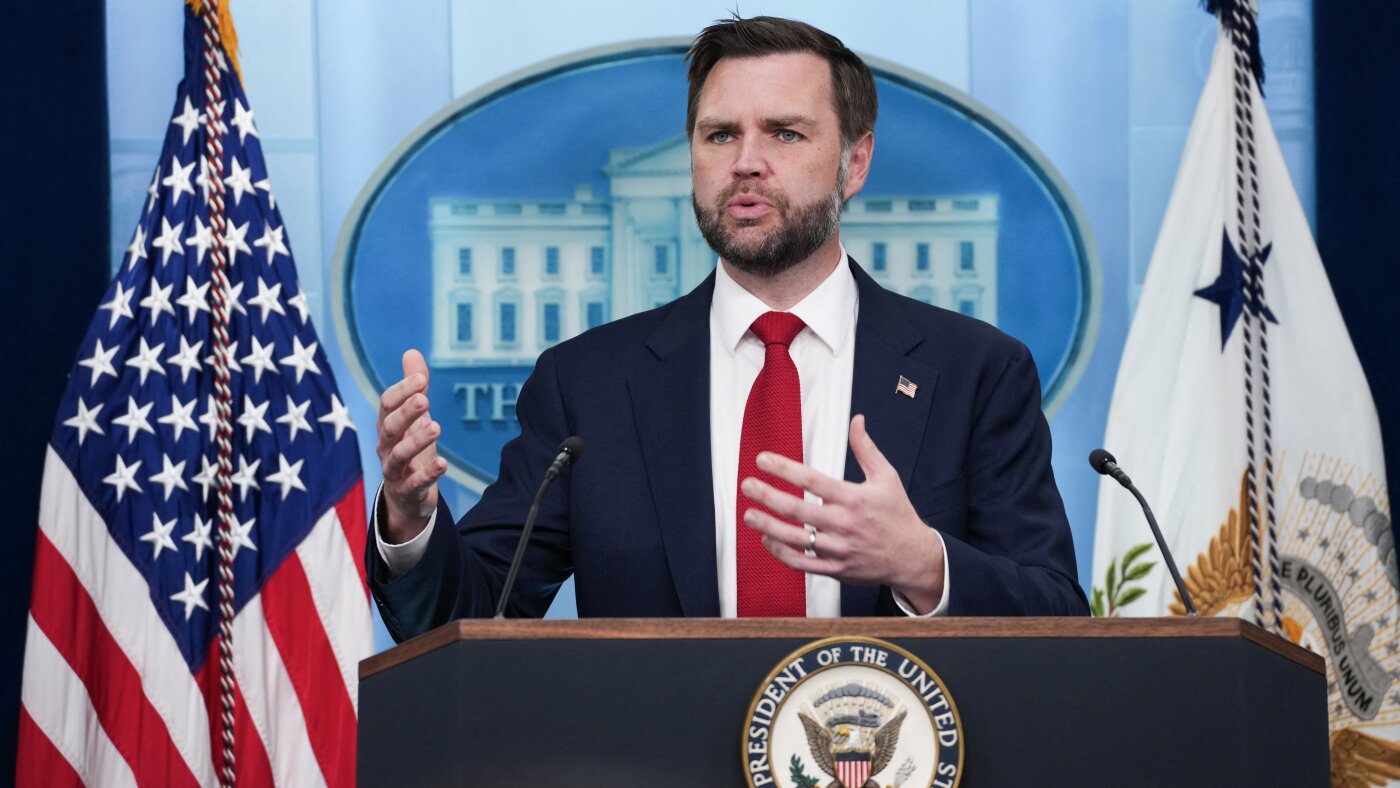
Vice President Vance had been set to travel to Switzerland to work on terms of the agreement with Iran, according to NPR. Officials have not given a reason for the delay, NPR’s Rob Schmitz reported on Up First.
The preliminary memorandum gives Iran benefits but does not settle the conflict, NPR reported. U.S. Central Command said U.S. forces lifted their blockade on ships moving into and out of Iranian ports and coastal areas, a step NPR described as one condition in a ceasefire agreement between Washington and Tehran.
Schmitz said Israel’s continued bombardment of southern Lebanon is adding pressure to the talks. The first article of the U.S.-Iran agreement pledges to protect Lebanon’s territorial integrity, according to NPR, while Israeli Prime Minister Benjamin Netanyahu has said Israeli forces intend to stay in southern Lebanon.
Members of Netanyahu’s cabinet have called the deal “bad for Israel,” NPR reported. Iran’s foreign ministry said the signing ceremony is off, while the White House said arrangements for the next technical talks have not been finalized, according to NPR.
NPR’s Danielle Kurtzleben reported that Vance has become the public face of the negotiations, a role that could expose him to blame if the U.S. does not meet its goals. Kurtzleben said some figures on the right had already directed frustration over the deal toward Vance.
Kurtzleben also said Vance is not an experienced diplomat, though his past anti-interventionist views may give him some credibility in the role. Sending the vice president also signals to Iran that the Trump administration sees the negotiations as a major priority, she reported.
DHS plans facial recognition access for some local police
In a separate development, a newly disclosed Department of Homeland Security document outlines plans to give some local police working with the agency access to facial recognition technology used by Immigration and Customs Enforcement, NPR reported.
The tool is a mobile app called the ICE Task Force Module, according to NPR. It would allow local officers to scan the faces of people they stop in their communities and compare those images with more than 250 million government records.
NPR reported that the databases include State Department visa records and the Traveler Verification Service. After a scan, the app tells an officer either to “not detain or arrest” the person or to use a reference code to get more information from ICE.
The DHS plan would extend immigration-related identification tools into encounters conducted by local police acting on the department’s behalf, according to NPR. The report did not say when the app would be deployed or which local agencies would receive access.
This story draws on original reporting from NPR.