
US-Iran strikes put Gulf ceasefire under strain
Washington and Tehran accused each other of ceasefire breaches after attacks linked to shipping in the Strait of Hormuz.
By James Whitfield · Staff Writer
3 min read
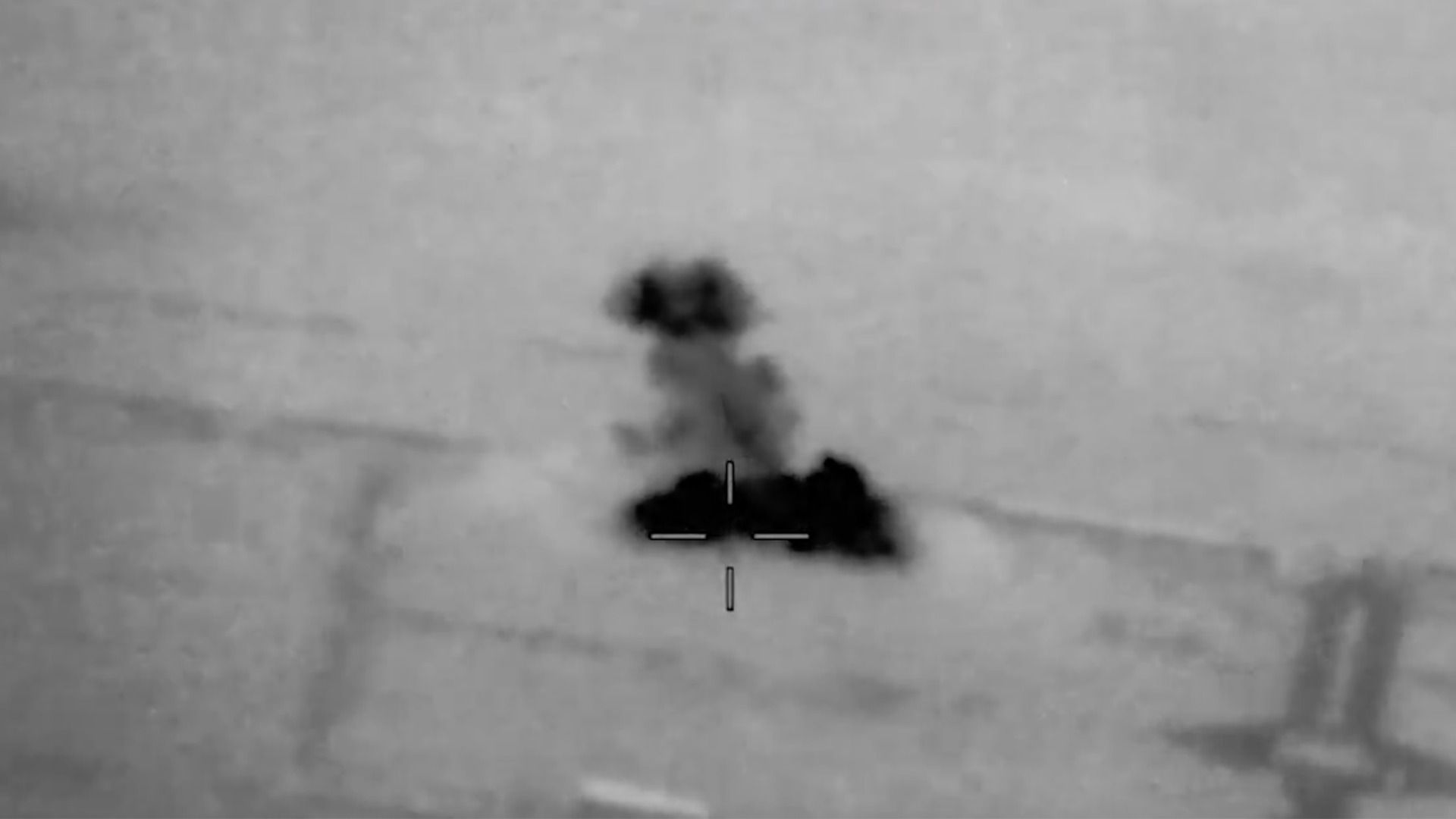
The United States and Iran exchanged military action in the Gulf, putting new pressure on a tentative ceasefire between the two countries. The confrontation matters because it centers on the Strait of Hormuz, a key route for global commerce and energy shipments.
Iran’s Islamic Revolutionary Guard Corps said Saturday it struck US sites in the Gulf region in response to US attacks on Iranian missile, drone and radar facilities, according to Iranian state television. US Central Command said its strikes targeted Iranian missile and drone storage locations and coastal radar positions after what Washington described as an Iranian drone attack on a commercial ship in the Strait of Hormuz.
CENTCOM said the US operation answered “unwarranted aggression against commercial shipping by Iranian forces” and said that conduct violated the ceasefire. The command described the action as a response to an attack on a commercial vessel traveling through the strait.
US President Donald Trump earlier accused Iran of using a drone to attack the vessel and called it a violation of the ceasefire agreement. Vice President JD Vance warned on X that further Iranian attacks would be met with force.
Iranian state television reported that an explosion was heard late Friday at Taheroui pier near the southern port city of Sirik, citing a reporter there. It also cited an unnamed military source as saying a projectile had struck the area.
Mehr news agency reported that Sirik Port continued normal operations and that no damage had been reported to its equipment or facilities. Shortly afterward, Iranian state television said the IRGC had carried out retaliatory attacks on US sites in the Gulf region.
The IRGC warned that any renewed aggression would bring a wider response, according to a post cited by Iranian state television on Telegram.
Ceasefire faces new pressure
The latest attacks have raised doubts about a June 17 memorandum of understanding between Washington and Tehran, according to Al Jazeera and AFP. The arrangement included a ceasefire but was described as an interim step before further talks, including over movement through the Strait of Hormuz.
Both governments have accused the other of breaking the agreement. Iran had warned ships not to enter or leave the Gulf through the strait without its approval, while vessels continued moving, including on routes Tehran had not authorized, Al Jazeera and AFP reported.
Oil prices have dropped on expectations that traffic through the Strait of Hormuz would continue recovering, according to Al Jazeera and AFP. Tensions rose again after Thursday’s attack on the Singapore-registered commercial vessel Ever Lovely.
The memorandum has also been strained by Israel’s bombardment of Lebanon, which Al Jazeera and AFP reported violated the terms of the arrangement. On Friday, after US-brokered talks, Israel and Lebanon signed a framework agreement that Washington said was aimed at ending a recurring cycle of conflict.
Nuclear inspections remain unresolved
The Iran-US dispute also continues to turn on Tehran’s nuclear program. International Atomic Energy Agency chief Rafael Grossi said Friday that any final settlement would need strong verification measures to ensure Iran does not develop a nuclear weapon.
Grossi said Iran’s government had stated that building a nuclear weapon was not its intention, but he said intentions were not enough and called for a strong verification system as soon as possible. The interim deal says Iran’s enriched uranium stockpile, estimated before the war at 440kg enriched to 60 percent, should be downblended under IAEA supervision.
Tehran and Washington have given conflicting accounts of whether inspectors will regain access to Iranian nuclear facilities, according to Al Jazeera and AFP.
This story draws on original reporting from Al Jazeera.