
Undercover report details Myanmar cyber-scam networks
Al Jazeera’s 101 East says a two-year investigation found organized scam syndicates trafficking workers and stealing from victims worldwide.
By Sofia Marchetti · World Affairs Correspondent
2 min read
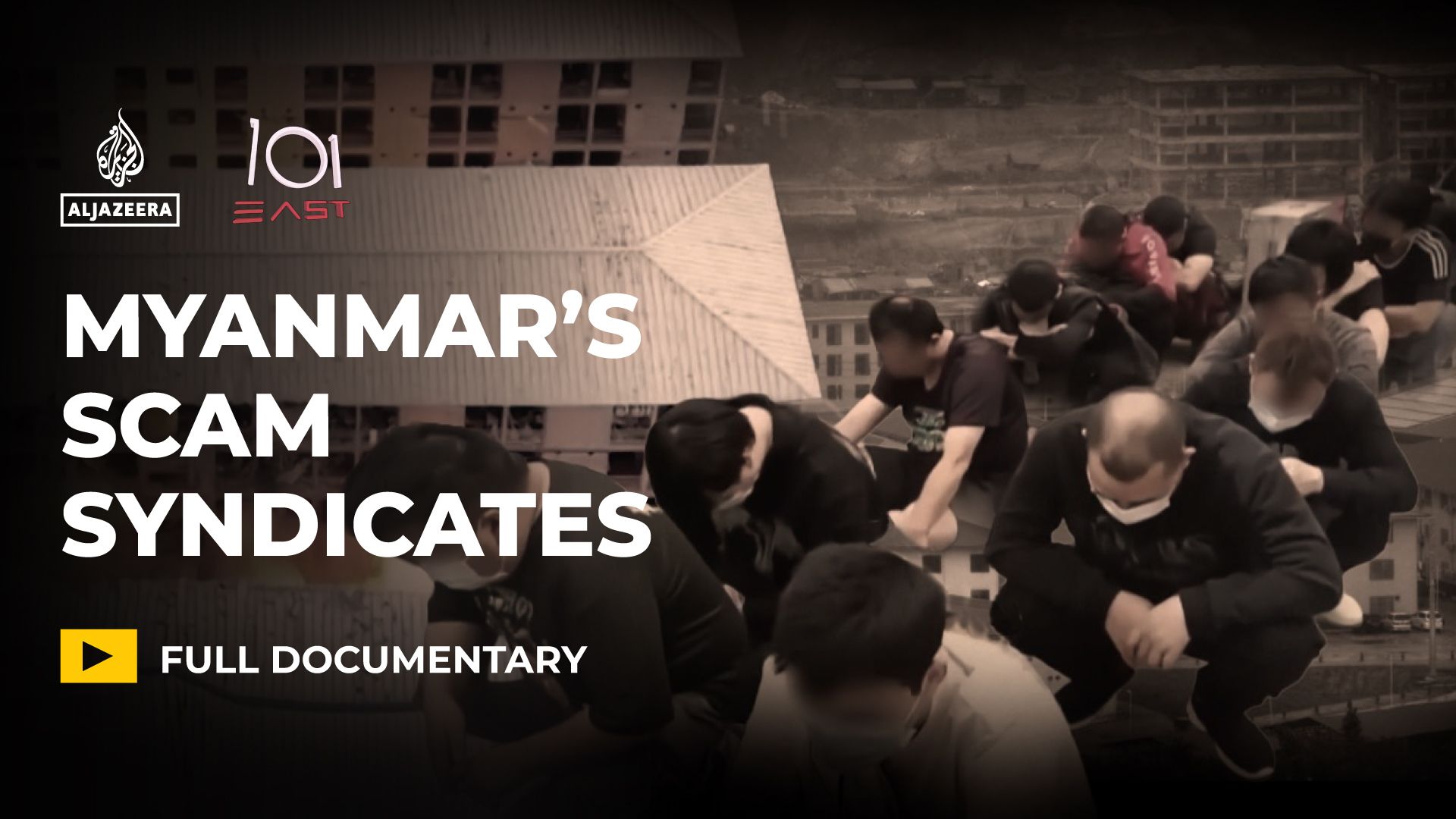
Al Jazeera’s 101 East says an undercover investigation has exposed how Myanmar’s cyber-scam networks operate, as authorities struggle to keep pace with an industry that reaches far beyond Southeast Asia. The program says the wider scam trade has trafficked at least 300,000 people from more than 60 countries and stolen trillions of dollars from victims around the world.
The 25-minute report, published on June 27, 2026, is based on a two-year investigation by 101 East. Al Jazeera says the reporting shows a structured system driven by profit and coercion, with people forced into criminal work inside scam operations.
According to 101 East, Myanmar remains a key hub for the trade. The program says its undercover reporting documented the methods used by syndicates involved in the country’s scam industry, including how the operations are organized and sustained.
Trafficking and online fraud
Al Jazeera says Southeast Asia’s cyber-scam industry has drawn in victims from dozens of countries through trafficking. The report says those trafficked into scam compounds are then made to take part in online fraud schemes targeting people globally.
The broadcaster says the financial damage has reached trillions of dollars. It does not identify in its summary which countries account for the largest number of trafficking victims or which markets have suffered the greatest financial losses.
101 East describes the industry as highly organized and says it is built around both greed and coerced criminal activity. The program says the networks can continue operating while law enforcement agencies try to respond to a fast-changing cross-border crime problem.
Syndicates expand beyond Myanmar
Al Jazeera says Chinese syndicates involved in the scam trade are changing tactics and creating new operations in other parts of the world. The report frames that expansion as a challenge for police and regulators trying to disrupt online fraud and trafficking networks.
The program does not present the scam industry as confined to Myanmar. Instead, 101 East says Myanmar’s operations are part of a broader regional and international system that has affected people from more than 60 countries.
Al Jazeera says the investigation was conducted undercover to show how the scam networks function from inside. The broadcaster presented the report as an exclusive examination of a criminal industry that continues to adapt as governments and law enforcement agencies attempt to catch up.
This story draws on original reporting from Al Jazeera.