
US and Iran exchange new attacks as Gulf truce weakens
US strikes hit targets across Iran, while Iranian forces claimed attacks on Gulf sites as the Hormuz ceasefire came under new pressure.
By Daniel Okafor · Business Editor
3 min read
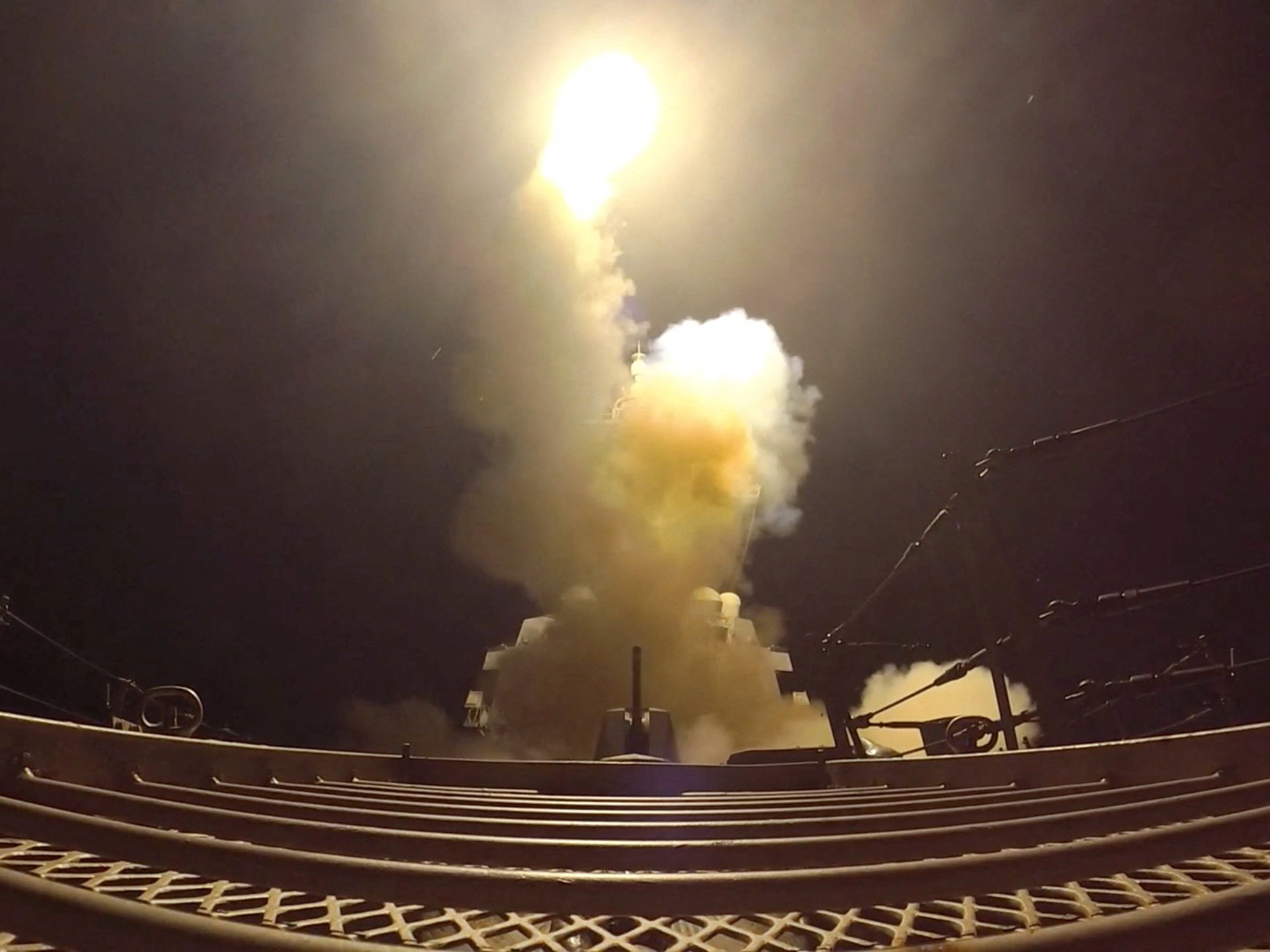
The United States launched another round of strikes inside Iran early Monday, and Iranian forces answered with attacks aimed at US-linked military targets around the Gulf. The exchange added fresh pressure to a ceasefire framework that Washington and Tehran had agreed to in June, according to Al Jazeera.
US Central Command said American forces struck dozens of targets at multiple sites in Iran. CENTCOM said the targets included air-defense systems, coastal radar stations, missile and drone capabilities, and small boats.
The US military said it used fighter aircraft, naval vessels, one-way attack aerial drones and, for the first time, one-way attack sea drones. CENTCOM said the operation was meant to reduce Iran’s capacity to attack commercial shipping moving through the Strait of Hormuz.
Iranian officials said the US strikes hit eight cities in Khuzestan province. They said one security guard was killed and four people were injured at a water station in Mahshahr.
Iran reports strikes on Gulf targets
Hours after the US operation, Iranian forces launched retaliatory attacks on US military targets in several Gulf countries, Al Jazeera reported. The Islamic Revolutionary Guard Corps said it struck a long-range FPS air surveillance radar in Bahrain, a vessel detection radar system in Oman and a US Army surface-to-surface missile base in Kuwait.
The IRGC said its attack in Kuwait destroyed two missile launchers and storage facilities nearby, causing heavy damage. Al Jazeera also reported that Iran claimed attacks involving Bahrain, Kuwait and Jordan.
Bahrain issued alerts telling residents to stay calm and move to the nearest safe place. Jordanian authorities said they intercepted four missiles that entered Jordanian airspace from Iran.
The US military later said the latest wave of attacks against Iran had ended, according to Al Jazeera.
Ceasefire framework under strain
Monday’s exchange followed US strikes on Saturday, when Washington said it hit about 140 targets in Iran. The US said those strikes were retaliation for IRGC attacks on commercial vessels and for Tehran’s announcement that it had closed the Strait of Hormuz.
The latest fighting has put more strain on a Memorandum of Understanding reached by Washington and Tehran in mid-June, Al Jazeera reported. That agreement extended an April ceasefire and began the process of reopening the Strait of Hormuz.
Al Jazeera said the framework was intended to move the two sides toward ending the war, which began on February 28 with US-Israeli strikes on Iran. It also opened a path for talks on disputed issues, including Iran’s nuclear programme.
Control of the Strait of Hormuz remains a central point of dispute, according to Al Jazeera. Before the conflict, about 20 percent of global energy exports moved through the waterway.
US President Donald Trump has sought lower oil and gas prices before this year’s midterm elections, Al Jazeera reported. Tehran says vessels must use the shipping lane closest to Iran’s coast so it can retain control over traffic.
Iran has repeatedly targeted ships using the southern route near Oman’s coast, according to Al Jazeera. Kpler shipping data cited Monday by Al Jazeera showed traffic through the strait had dropped to its lowest level in five weeks.
Trump said last week that the ceasefire was over, then said Friday that the two sides had agreed to keep talking, according to Al Jazeera.
This story draws on original reporting from Al Jazeera.