
US Iran attacks pause extends into second day as diplomacy continues
Washington and Tehran held fire for a second day as mediators tried to restore talks on an interim ceasefire and shipping rules.
By James Whitfield · Staff Writer
3 min read
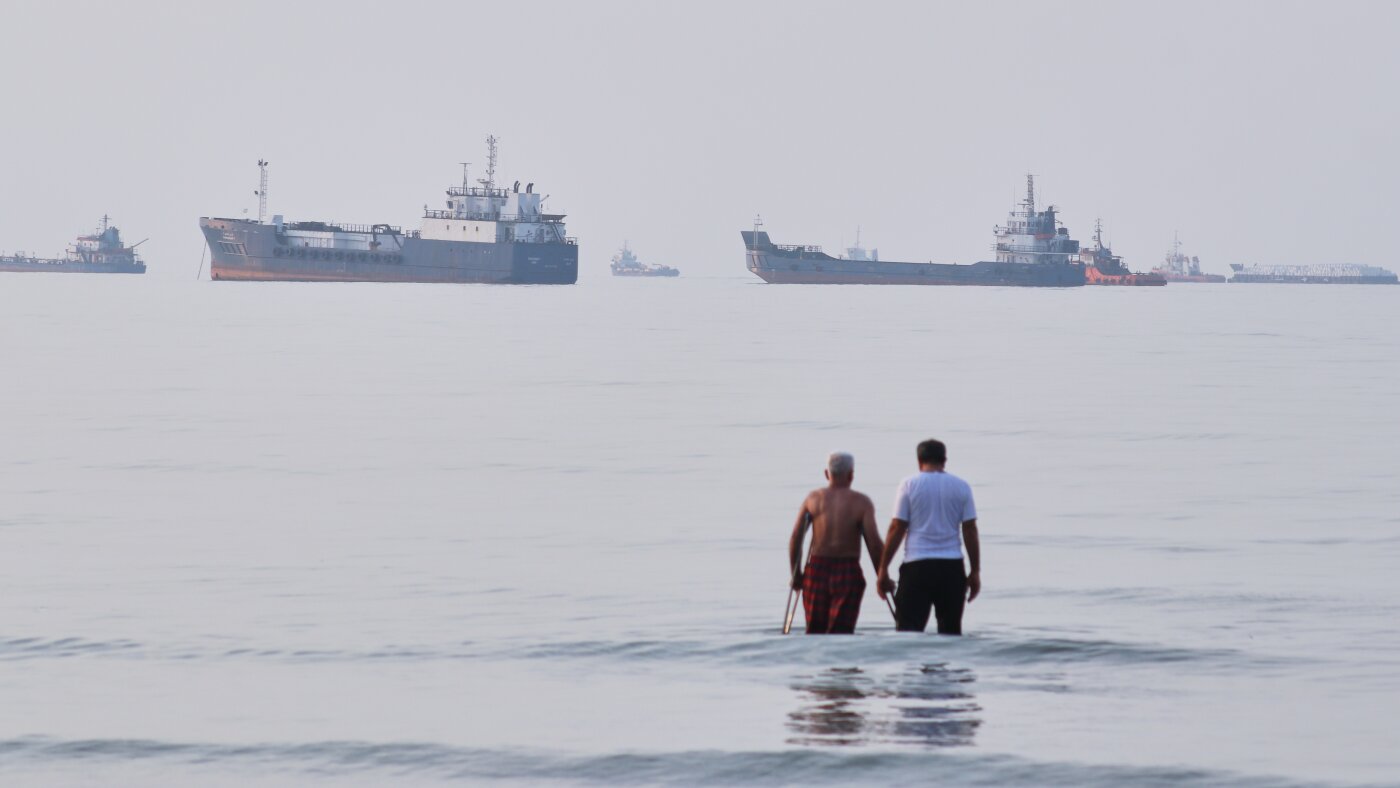
The US Iran attacks pause stretched into a second day Sunday, and Tehran said it had also stopped firing, the Associated Press reported. The lull matters because mediators are trying to revive negotiations over an interim ceasefire while pressure grows on shipping lanes and energy markets.
AP reported that the U.S. halt followed nearly two weeks of escalation that began after Iran fired on ships trying to pass through the Strait of Hormuz. The U.S. had targeted Iranian coastal areas and infrastructure, and the Pentagon did not immediately answer questions Sunday about why the strikes had stopped.
What is happening between the U.S. and Iran now?
Iran’s army spokesperson told Iranian state TV that Tehran had also stopped attacks after the U.S. paused strikes for the past two nights. In recent days, AP reported, Iran had struck back at countries in the region that host U.S. forces, killing at least three people at a base in Jordan.
White House communications director Steven Cheung said President Donald Trump still prefers diplomacy but is keeping other options available if Iran carries out what he called terrorist activity in the Strait of Hormuz or against U.S. allies. Cheung said Iran should work toward a negotiated agreement.
The interim deal signed by the two countries in mid-June set a 60-day period that is now in its second half, according to AP. Major disputes that were supposed to be addressed, including Iran’s nuclear program, remain unresolved as mediators focus on keeping the two sides engaged.
A regional official involved in mediation efforts told AP that the pause by both countries was a “positive signal” for efforts to reduce the fighting. The official, who was not authorized to speak publicly and was granted anonymity, said both sides want to return to the interim ceasefire and that talks include a compromise under which Iran would manage vessel transit through the Strait of Hormuz with fewer restrictions on ships.
Why does the Strait of Hormuz matter?
The Strait of Hormuz is a crucial regional waterway, and the dispute over who controls shipping there has become central to the U.S.-Iran confrontation. AP reported that concerns also extend to the Bab al-Mandeb strait leading to the Red Sea after Iranian-backed Houthi rebels in Yemen threatened last week to block Saudi shipping there.
Iranian Foreign Ministry spokesperson Esmail Baghaei said Sunday that Iran was still talking with Oman about safe passage for ships through the Strait of Hormuz, which runs between the two countries. Baghaei said those talks had made progress and were continuing, while adding that the status of the strait had not changed.
Tehran says the interim deal allows it to manage shipping in the strait for now, according to AP. Iran has objected to U.S. backing for a route through the waterway that passes close to Oman.
The U.S. military said Saturday that its recently restored naval blockade against Iran remained in place. It said a dozen commercial vessels had been redirected, two disabled and two boarded, and that U.S. forces remained ready.
Israeli Prime Minister Benjamin Netanyahu is expected to visit Washington and meet Trump on Tuesday, his office said. Netanyahu told Fox News on Sunday that he fully supports Trump’s effort to weaken Iran and press it to end its nuclear program, while saying he would listen to what Trump has in mind.
AP reported that the two leaders last met in Washington in February, weeks before the war on Iran killed senior Iranian leaders including Supreme Leader Ayatollah Ali Khamenei. Netanyahu also warned that Iran would make a serious mistake if it attacked Israel again directly or through armed proxies.
This story draws on original reporting from NPR.