
US and Iran agree to 60-day roadmap in Swiss war talks
Mediators Pakistan and Qatar said the talks produced channels on the Strait of Hormuz and Lebanon, with technical negotiations to continue this week.
By Daniel Okafor · Business Editor
3 min read
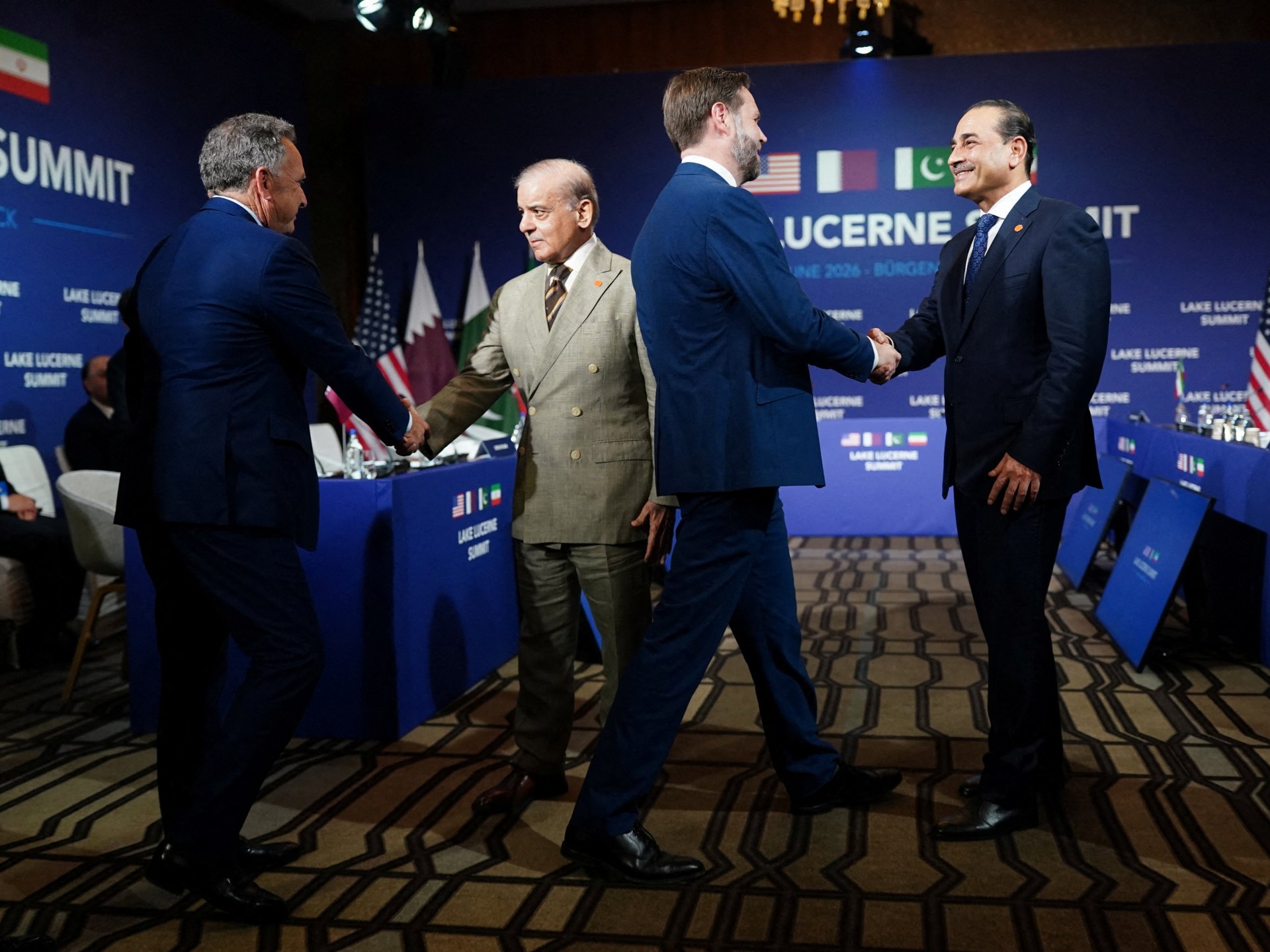
The United States and Iran have agreed on a 60-day path toward a final deal after high-level talks in Switzerland, according to mediators Pakistan and Qatar. The agreement is aimed at ending a war that has lasted more than 100 days and has drawn in Lebanon and disrupted shipping through the Strait of Hormuz.
Pakistan and Qatar said the two delegations agreed to continue technical negotiations this week at the Burgenstock resort near Lucerne. They said the talks produced a mechanism for further discussions and a contact channel intended to reduce the risk of incidents or miscommunication around the Strait of Hormuz.
The negotiations were led by US Vice President JD Vance and Iranian parliament Speaker Mohammad Bagher Ghalibaf, according to Al Jazeera, AFP and Reuters. The meeting followed a preliminary memorandum of understanding signed last week that set out a two-month negotiating period.
Channels on Hormuz and Lebanon
The mediators said the sides also agreed to create a “deconfliction cell” involving the parties and Lebanese authorities to prevent renewed fighting in Lebanon. Al Jazeera reported that working groups formed during the negotiations are expected to begin work immediately, though their structure and the format of future meetings remain unclear.
Iran had effectively blocked the Strait of Hormuz after joint Israeli and US attacks on February 28 that began the war, according to Al Jazeera. The waterway had carried about one-fifth of global oil and liquefied natural gas supplies before the conflict, Al Jazeera reported.
Lebanon became part of the war after Hezbollah, which is aligned with Iran, attacked Israel in response to the US-Israeli strikes on Iran, according to Al Jazeera. Israel then launched a broad air campaign and ground operation in southern Lebanon.
Iranian Foreign Minister Abbas Araghchi wrote on X that Pakistani and Qatari mediation had produced “major progress” toward ending the Lebanon war. He said oil and petrochemical exports had been waived, a blockade lifted, some frozen assets released and a reconstruction and development plan launched for Iran.
Al Jazeera’s Resul Serdar Atas, reporting from Tehran, said Iran had secured much of what it wanted before technical talks moved ahead. He cited Iranian demands tied to provisions on ending fighting, waiving US sanctions on Iranian energy exports and releasing frozen Iranian assets.
Threats shadowed the talks
The negotiations had a difficult start after Iran’s delegation walked out over a social media threat by US President Donald Trump, Al Jazeera reported. Trump said Iran should stop what he called its proxies in Lebanon from causing trouble and warned that the US would hit Iran harder if it did not.
Ghalibaf responded that Iran’s armed forces were prepared to answer US threats. Israeli Prime Minister Benjamin Netanyahu said Israeli troops would stay in southern Lebanon as long as needed and said Israel would not allow Iran to obtain nuclear weapons.
By Sunday evening, Al Jazeera reported no new Israeli attacks or continued fighting as some residents returned cautiously to southern Lebanon. Lebanon’s Ministry of Public Health said the death toll from the fighting there has surpassed 4,100 since the conflict escalated on March 2.
Vance described the Swiss session as a historic meeting and said Trump had asked his team to change US relations with the Iranian people, according to Al Jazeera. Iranian President Masoud Pezeshkian said Tehran would not give up its right to enrich uranium, while repeating Iran’s denial that it seeks a nuclear bomb.
This story draws on original reporting from Al Jazeera.