
US gasoline prices fall as Iran tensions keep oil market on edge
AAA data shows the national average has dropped from a May peak, while attacks near the Strait of Hormuz keep pressure on oil markets.
By Lucas Ferreira · Science & Environment Writer
3 min read
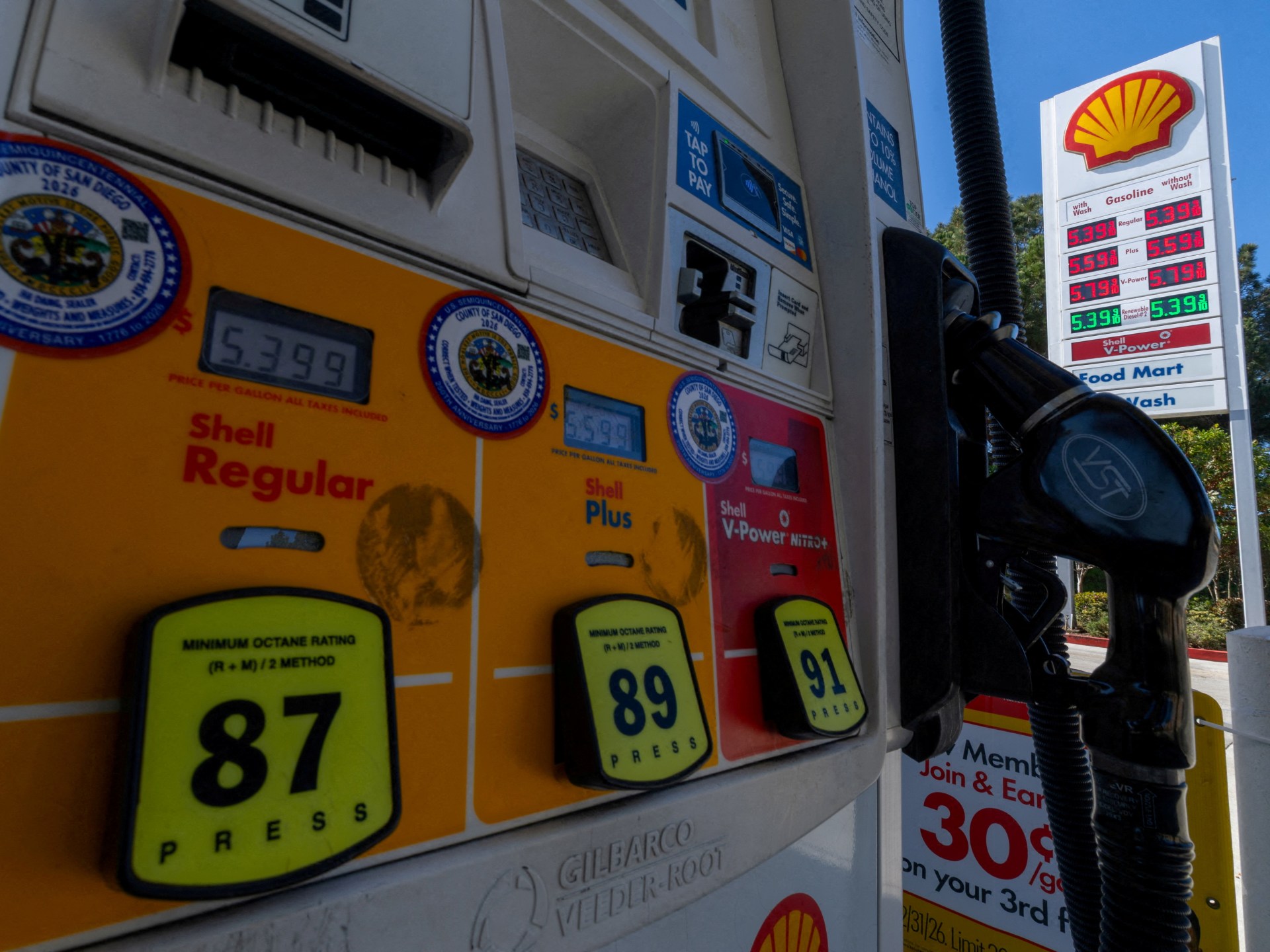
US gasoline prices have eased from their spring peak, giving President Donald Trump a talking point as Washington seeks to cool tensions with Iran. The decline matters for drivers, but analysts say conflict around the Strait of Hormuz could still slow any return to prewar fuel prices.
Trump wrote on Truth Social on Monday that “GAS PRICES ARE COMING DOWN.” The post came as the American Automobile Association reported that the average US petrol price had fallen to $3.86 a gallon, or 3.78 litres.
AAA’s daily fuel data showed prices down from a mid-May high of $4.48 a gallon. Al Jazeera reported that prices have also declined since Trump announced in mid-June that the Strait of Hormuz would reopen.
Fuel costs remain higher than before the latest conflict with Iran widened. AAA data cited by Al Jazeera put the average at $2.98 a gallon on February 28, when the United States and Israel first launched strikes on Iran.
Hormuz risk limits the drop
Al Jazeera reported that the diplomatic effort between the US and Iran followed several days of attacks, including an Iranian strike on a cargo ship in the Strait of Hormuz. The waterway normally carries about one-fifth of global oil exports, according to the report.
Oil prices rose more than 1 percent on Monday after the latest attacks, Al Jazeera reported. Analysts cited by the outlet said renewed peace talks helped prevent a sharper jump.
Patrick De Haan, head of petroleum analysis at GasBuddy, said in a note that fuel prices fell after a volatile week in which the US and Iran exchanged attacks before agreeing to stop hostilities on Sunday. He said that prevented what could have been a significant increase in oil prices, while warning that “the situation remains anything but predictable.”
Supply concerns remain a constraint on any further fall in pump prices. Analysts told Al Jazeera earlier this month that shutdowns and supply bottlenecks could keep prices from returning to prewar levels for several months, even if a peace deal holds.
Inventories remain strained
EverCore ISI Research analysts said in a Monday note that the disruption had placed pressure on available supplies. They said the use of domestic commercial stocks and strategic petroleum reserves had left the world drawing on US inventories to balance the market, which would lengthen the recovery period after the crisis.
Al Jazeera reported that the US Strategic Petroleum Reserve had fallen to its lowest level since the Reagan administration. That drawdown has added to concern over how quickly inventories can be rebuilt while demand continues.
Shipping has continued in the region even as traders watch the ceasefire. LSEG data cited by Al Jazeera showed that Saudi Aramco loaded a tanker on Monday capable of carrying two million barrels, after three similar vessels were loaded over the weekend.
The current price decline offers short-term relief for US motorists, according to AAA’s figures. Whether it continues will depend in part on the durability of the halt in hostilities and the flow of oil through one of the world’s most important export routes, analysts cited by Al Jazeera said.
This story draws on original reporting from Al Jazeera.