
US military ends blockade of Iranian ports under ceasefire deal
CENTCOM said US ships will stay nearby to monitor compliance as Washington and Tehran begin a 60-day negotiation period.
By Daniel Okafor · Business Editor
3 min read
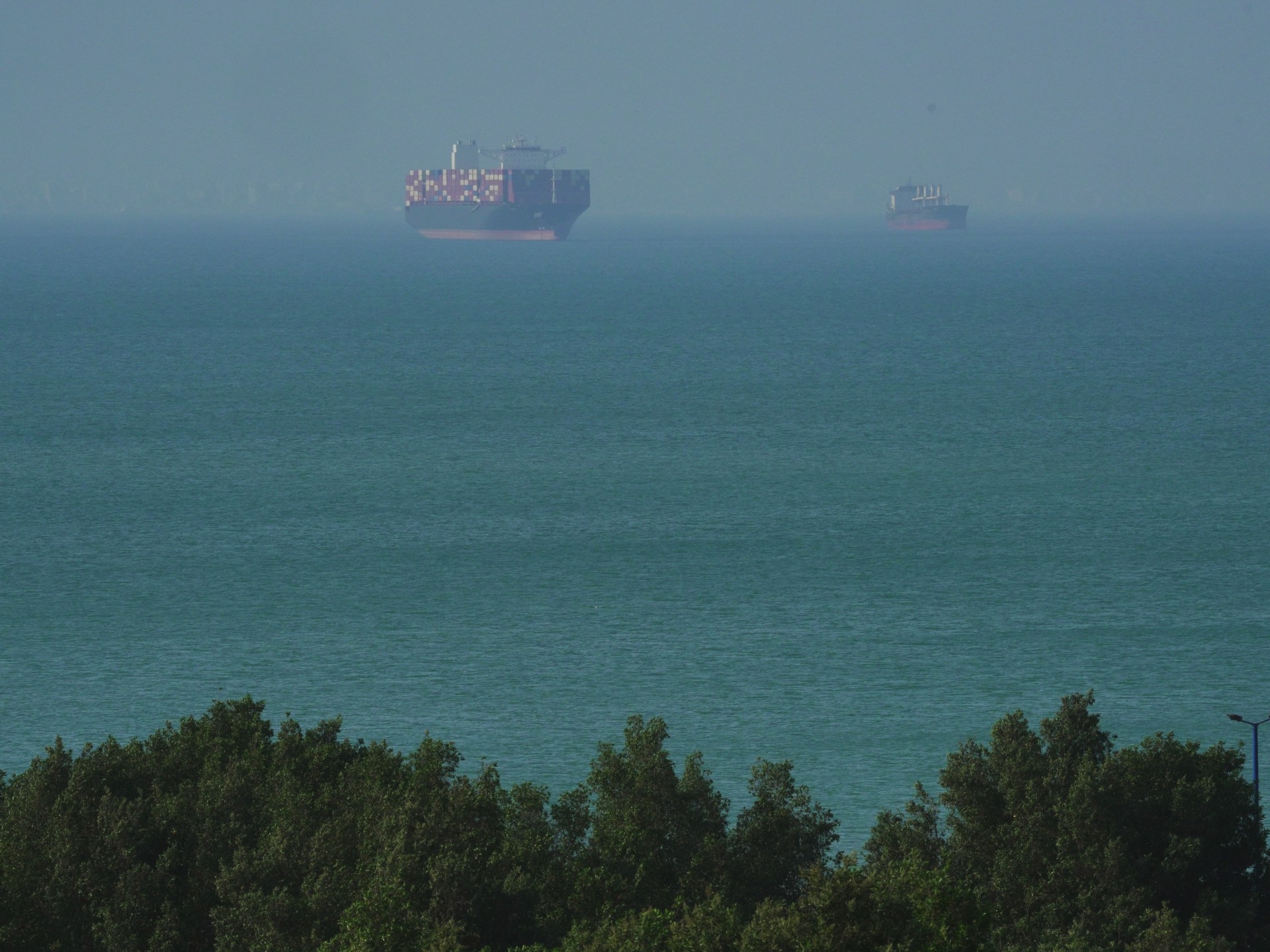
The US military said Thursday it has ended its blockade of Iranian ports, reopening maritime access under a deal with Iran that pauses military operations while talks proceed. The move matters for energy markets because shipping through the Strait of Hormuz, a key route for oil and gas, had slowed sharply during the war.
US Central Command said all enforcement actions tied to the blockade have stopped. CENTCOM, which runs US military operations in the Middle East, said American forces are no longer blocking vessels traveling to or from Iranian ports and coastal areas.
The command said US naval forces would remain in the area to monitor whether the agreement is being followed. It described the end of the blockade as being carried out under President Donald Trump’s direction.
Vice President JD Vance said earlier Thursday at a White House briefing that 12.5 million barrels of oil moved through the Strait of Hormuz on Wednesday. Vance said the US Navy had allowed more than a dozen vessels to pass through the blockade area before CENTCOM announced the wider halt to enforcement.
Iran says it will speed ship approvals
Iran’s Supreme National Security Council said Thursday that the country’s Persian Gulf Strait Authority would help speed approvals for ships seeking passage through the strait. Iranian state TV reported that the council also said Tehran would take steps to remove mines placed in the waterway during the war.
According to Iranian state TV, the council said ships would not be charged during the 60-day negotiation period. It also said vessels seeking to transit the strait must file requests with a newly created government body.
The Strait of Hormuz is a narrow maritime passage used for global oil and gas shipments. Al Jazeera and The Associated Press reported that traffic through the waterway had nearly stopped during the US-Israel war on Iran, disrupting energy markets and raising concerns about wider economic fallout.
Deal faces unresolved disputes
The suspension of fighting remains fragile, according to Al Jazeera and The Associated Press. Unresolved issues include Israel’s continued occupation of southern Lebanon, Iran’s nuclear program and the future rules for the Strait of Hormuz.
Iran has said it plans to impose usage fees for the strait, according to Al Jazeera and The Associated Press. The temporary no-fee period reported by Iranian state TV applies during the 60 days set aside for negotiations.
The Trump administration defended the agreement after criticism at home, including from some Republicans. Al Jazeera and The Associated Press reported that a memorandum of understanding signed by the United States and Iran includes possible economic relief to help Iran recover from the war.
Vance defended the administration’s approach Thursday, saying the agreement and the US negotiating position would be seen as beneficial for Americans once better understood. The White House has framed the deal as a way to extend the ceasefire and begin talks over the disputes that fueled the conflict.
This story draws on original reporting from Al Jazeera.